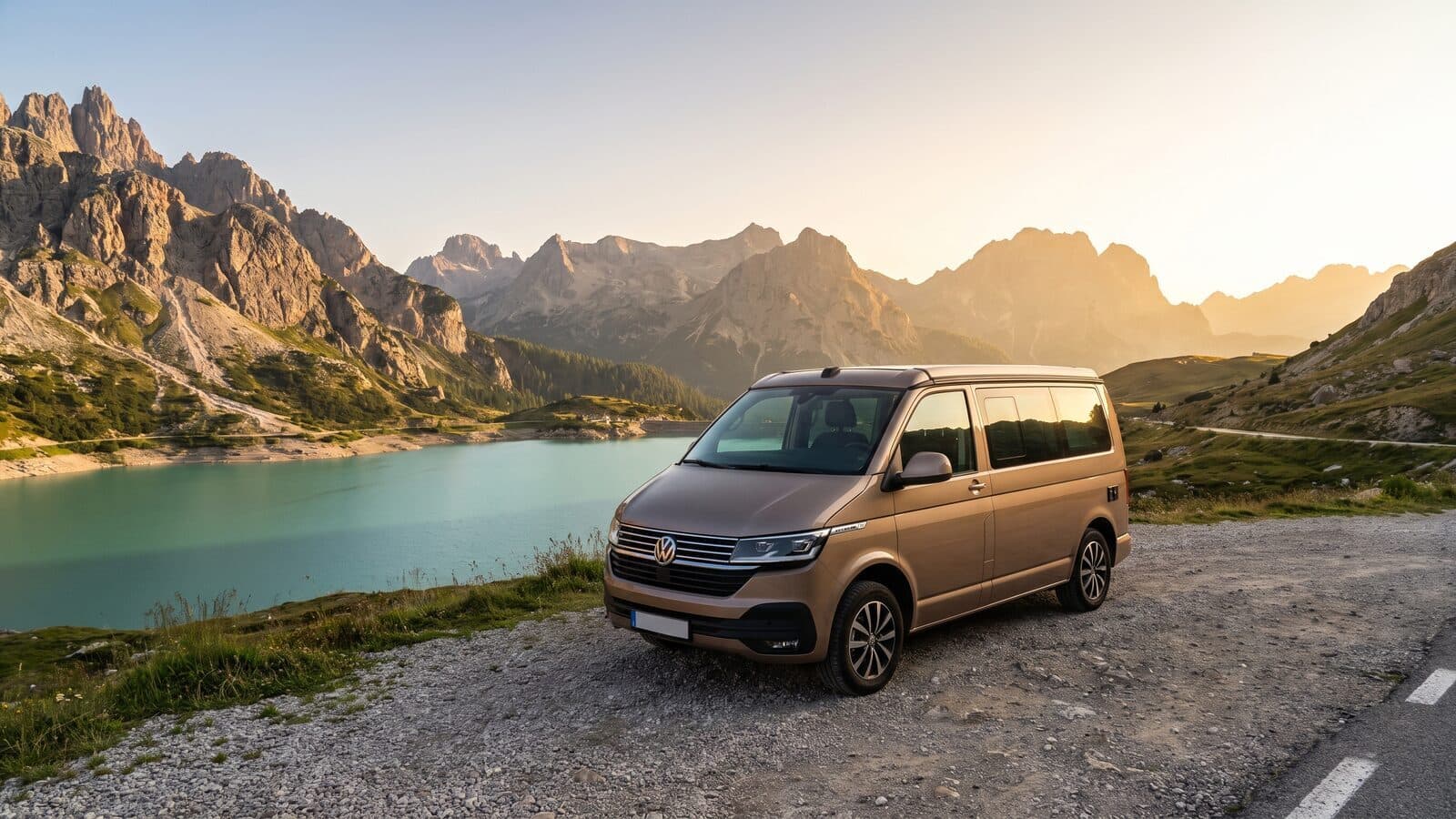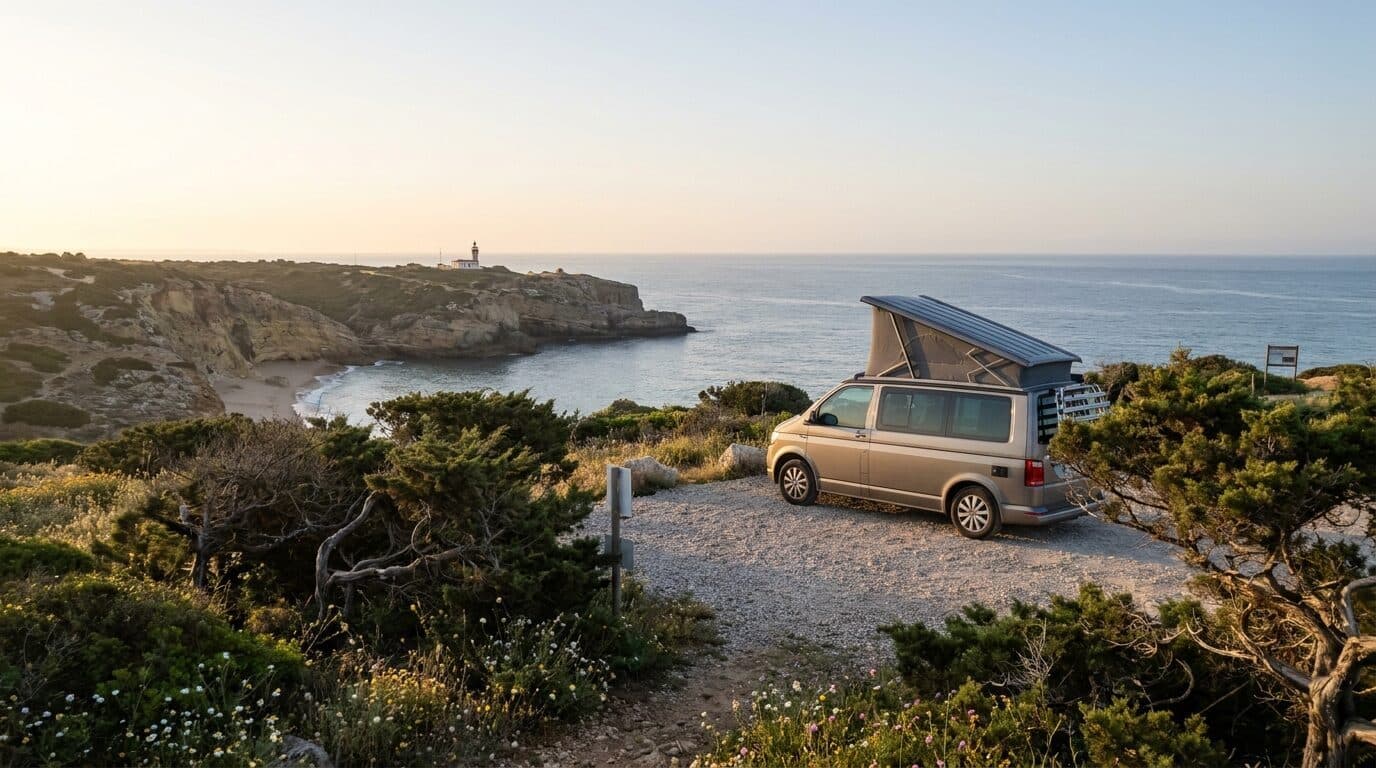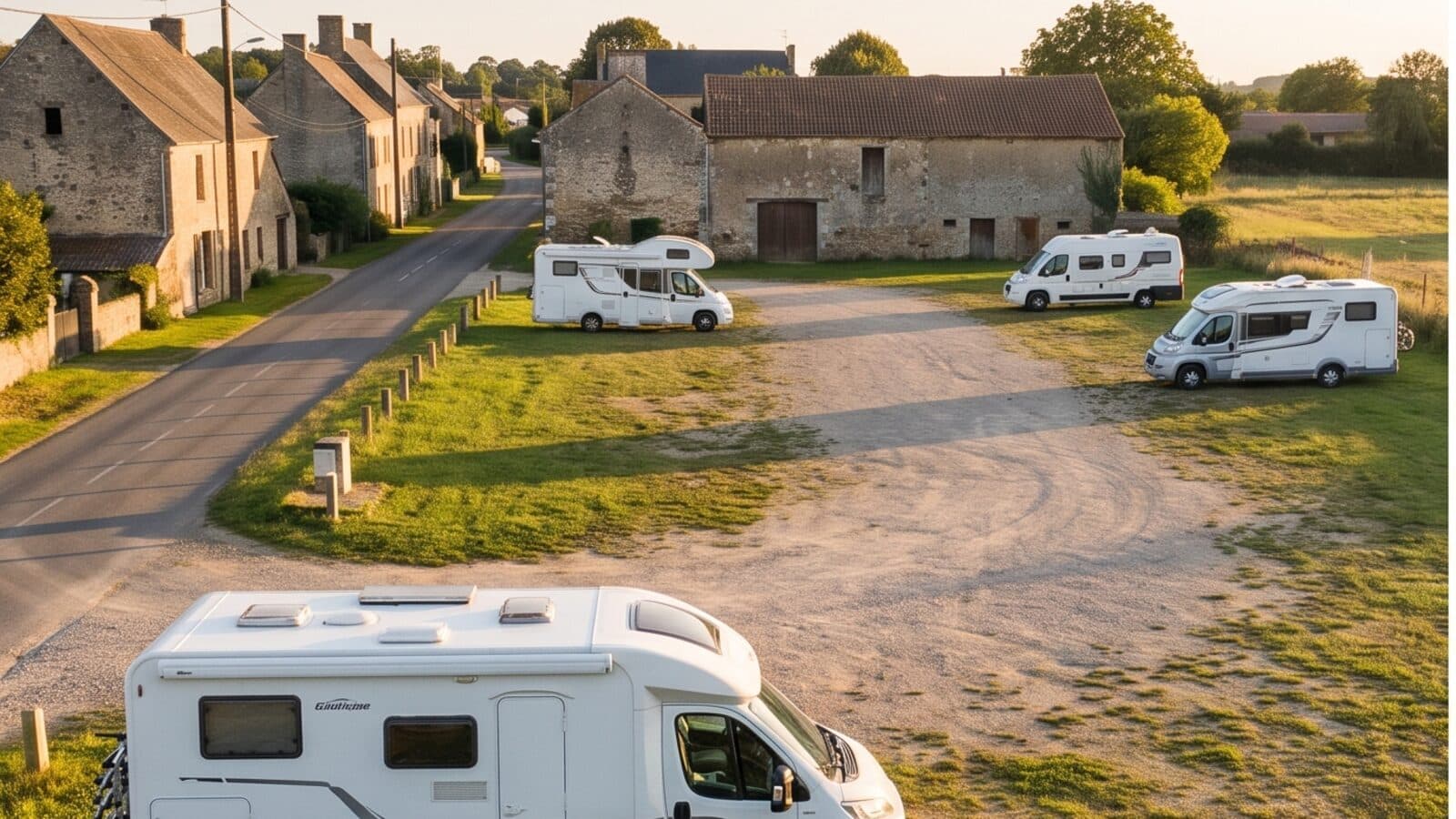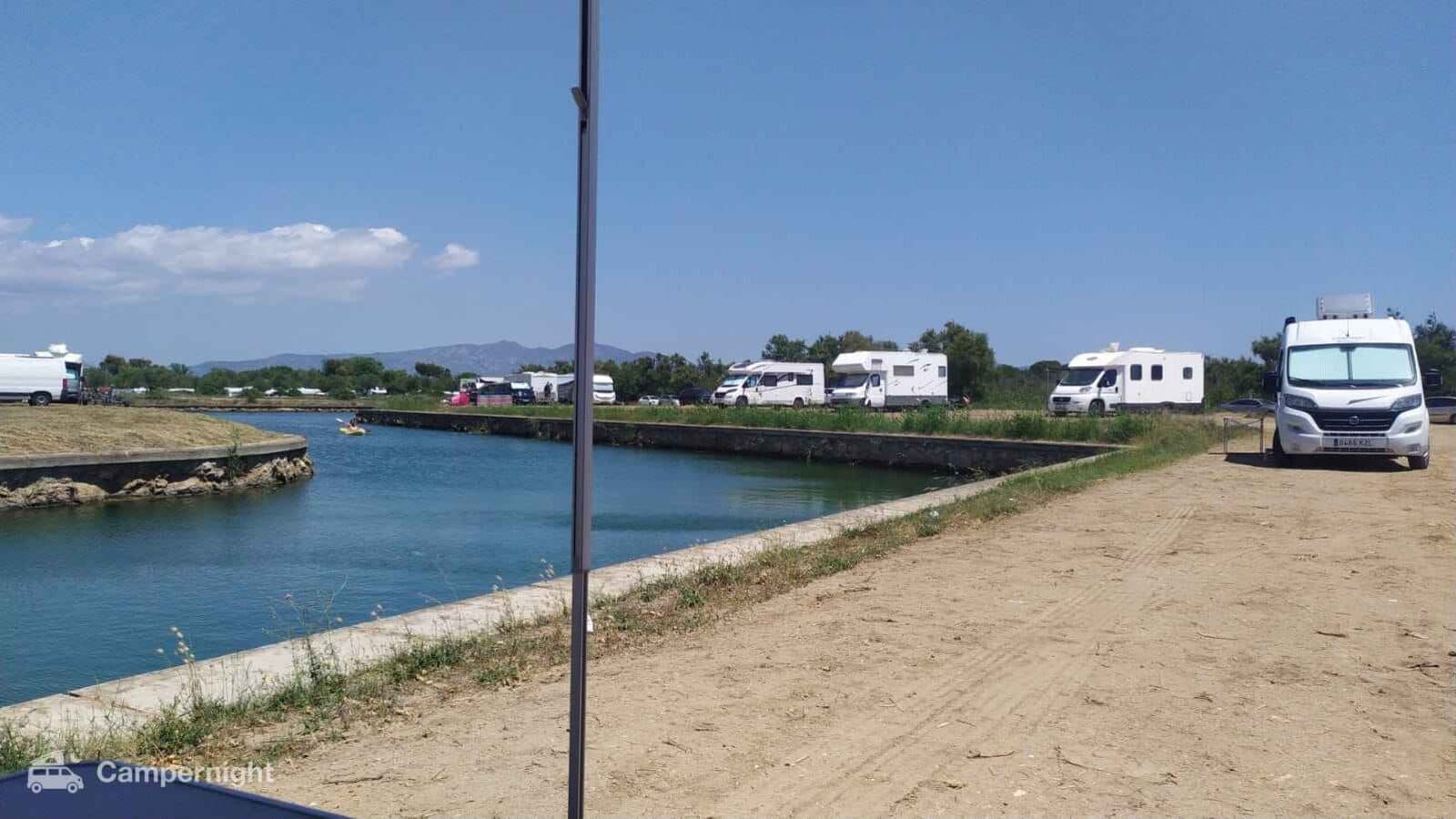
How to Find the Best Beach Overnight Spots for Campervans
Beach van nights sound simple: park near the sea, fall asleep to waves, wake up for a swim. In practice, the best beach overnight spots for campervans are rarely the random car park directly on the sand. The good ones are legal, calm, easy to leave if plans change, and close enough to the coast that the morning still feels special.
This guide is for summer campervan travel in Europe. Rules change by country, municipality, protected area, season, signage, and even how you behave outside the vehicle, so treat this as practical planning advice rather than legal advice. Before staying anywhere, check local signs and current rules.
A good beach overnight spot usually has four things:
- Clear permission, payment instructions, or a recognised overnight setup
- Safe access for your vehicle, including height and surface
- A quiet position away from late-night beach traffic
- A fallback option nearby if the first place is full, signed against overnight stays, or feels wrong
Campernight helps with that last part: instead of betting the night on one “perfect” beach pin, you can compare nearby camper-friendly spots, read the context, and save a few backups before sunset. If you are new to this workflow, start with our guide to finding overnight parking with Campernight.
What “beach overnight spot” should really mean
The safest mental model is not “sleep on the beach”. It is “sleep legally near the beach”. That small change avoids most fines, stress, and bad experiences.
In many coastal areas, especially in high season, beachfront car parks are day-use only, restricted overnight, or inside sensitive zones such as dunes, natural parks, ports, or residential seafronts. Some places allow normal parking but prohibit camping behaviour: levelling ramps, awnings, tables, chairs, cooking outside, or staying multiple nights.
So the best beach campervan spots are usually one of these:
- Official motorhome areas near the coast
- Campsites or small camper parks within walking distance of the beach
- Harbour or marina parking where overnight camper stays are explicitly allowed
- Rural or village parking a short cycle from the sea
- Inland fallback spots 10–30 minutes from busy beaches
That may sound less romantic than parking on the sand, but it is better. You sleep better when you are not wondering whether someone will knock on the window at 2am.
1. Official coastal motorhome areas
Official motorhome areas are often the best first choice for a beach night. They may not have the wildest view, but they usually solve the biggest questions: can you stay overnight, where can you park, and what services are available?
Look for places described as camper areas, motorhome areas, aires, stellplätze, áreas de autocaravanas, or similar local terms. The exact rules vary, but the format is usually clearer than a generic beach car park.
A practical example is Area Camper Sant Pere Pescador in Campernight, a motorhome area near the beach with useful services listed for travellers.
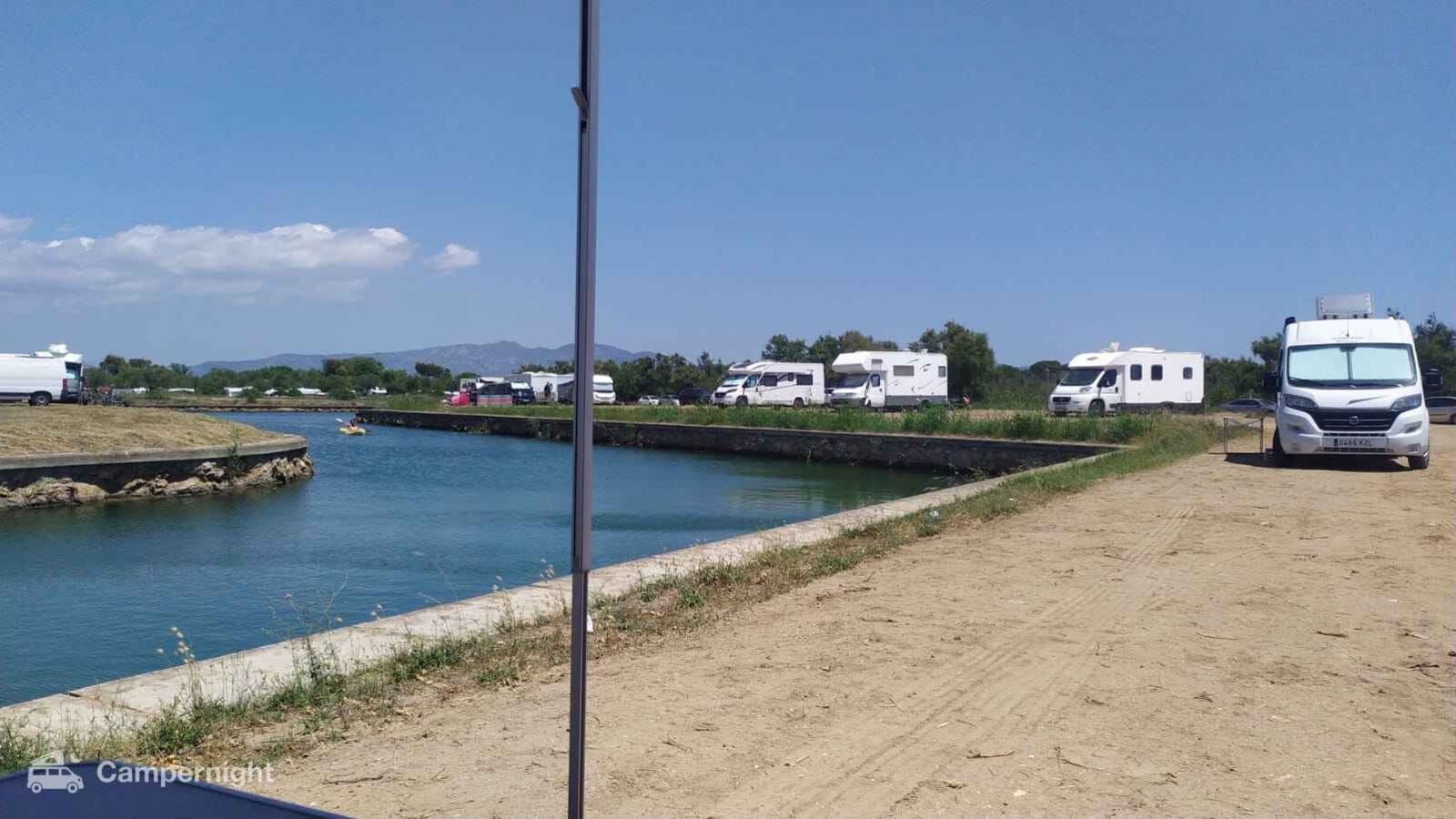
They work especially well when you want:
- A low-stress arrival after a long driving day
- Water, waste, electricity, or bins
- A legal base near a popular beach town
- A spot where you can arrive later without gambling on a hidden place
The trade-off is that they can fill quickly in summer and may feel more functional than scenic. Save a second option before you arrive, especially on Fridays, Saturdays, and holiday weeks.
2. Beach-adjacent campsites and small camper parks
If you want the sea without the stress, a campsite near the beach is hard to beat. This is the right choice when the area is crowded, the coastline is protected, or you want to stay more than one night.
A campsite is not a failure of vanlife. It is often the smartest move when you want showers, shade, laundry, secure parking, or a relaxed evening outside the van without worrying about whether your table and chairs count as camping behaviour.
Choose this type of spot when:
- You are travelling with kids
- You want to swim, shower, and repeat
- You need shade during a heatwave
- You plan to stay two or more nights
- You are in a strict or heavily touristed beach area
A practical example is this beach-adjacent camping option in Campernight, the kind of structured coastal stay that works better than gambling on a restricted beachfront car park.
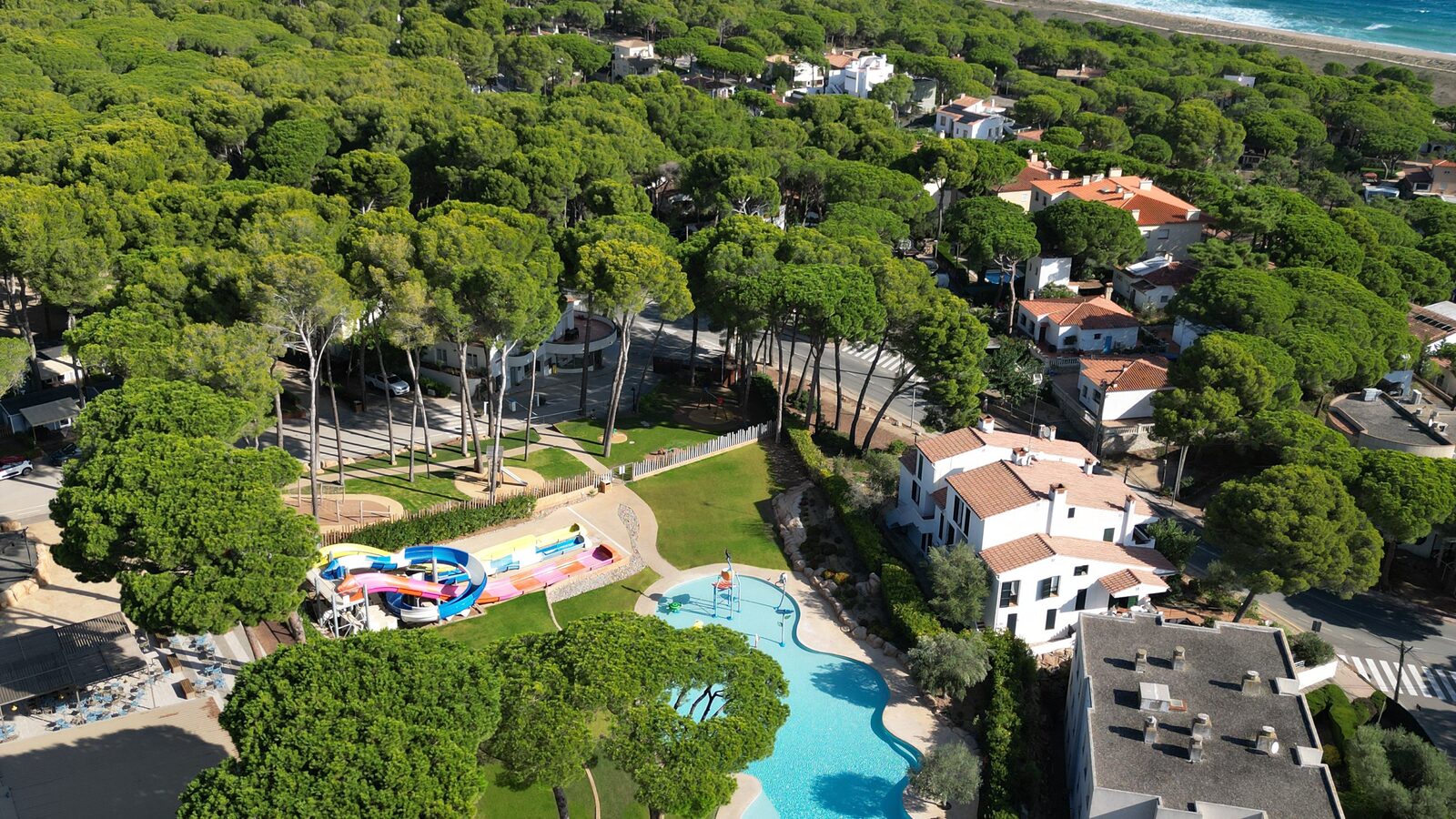
For summer, book or call ahead where possible. Coastal campsites can be full weeks in advance, and the remaining spaces are not always suitable for larger motorhomes.
3. Harbour, marina, and port-town camper areas
Some of the most practical seaside overnight spots are not beside open beaches at all. They are near harbours, marinas, fishing ports, or the edge of a coastal town.
These locations can be great because they are designed for vehicles, often close to food and services, and sometimes quieter at night than beach promenades. They also make a good base for an early morning swim or coastal walk.
Check carefully, though. Ports and marinas often have their own rules, barriers, payment systems, and security restrictions. Do not assume that a large empty port car park allows overnight stays just because other vehicles are there.
A good harbour-style spot usually has:
- Clear overnight permission or payment instructions
- No private-port or residents-only restriction
- Safe walking route to the town or beach
- Enough lighting to feel safe without being noisy
- No obvious conflict with working harbour traffic
A practical example is this harbour-style coastal stop in Campernight, useful when you want to stay close to the water without relying on a random seafront parking lot.
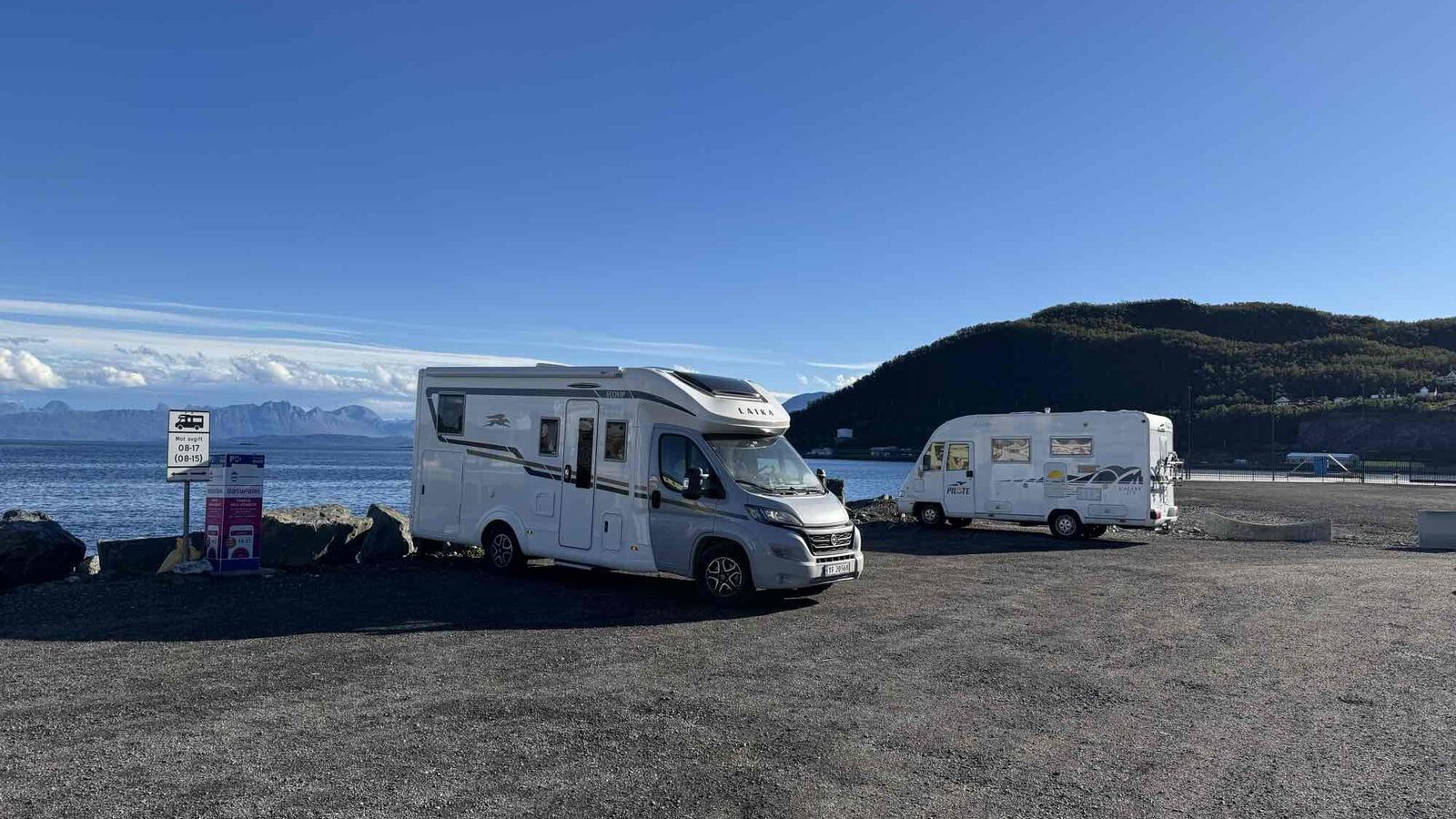
This is a good middle-ground option: less exposed than a wild beach car park, more coastal than an inland aire.
4. Village spots a short walk or cycle from the sea
The best beach overnight spot is sometimes not on the beach map. It might be a quiet village parking area, a small official camper stop, or a rural site a short cycle away from the water.
This works well on coastlines where the beach itself is tightly controlled. You avoid the pressure of seafront restrictions but still get the beach day you came for.
The key is to plan the connection:
- Is there a safe walking or cycling route?
- Can you avoid driving into a packed beach road in the morning?
- Is the spot away from residential windows and narrow streets?
- Are there signs limiting overnight parking or vehicle height?
A practical example is this village-style spot near the sea in Campernight, a good pattern for staying close enough to the coast without forcing the van into the busiest beachfront streets.
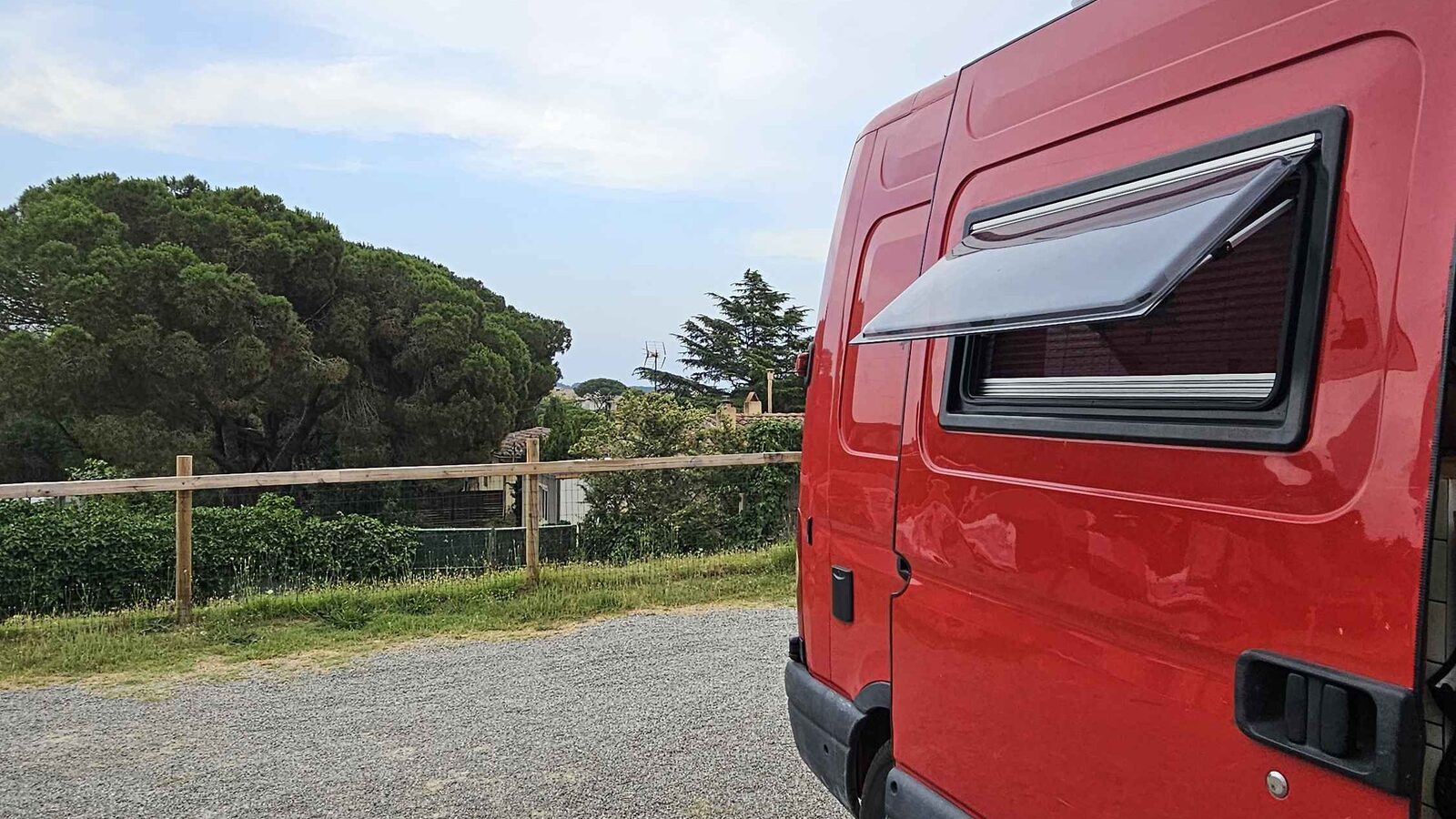
Use this approach for famous beaches, national parks, and villages where parking fills early. Sleep nearby, then visit the beach light and early.
5. Inland fallback spots near busy beaches
Every beach trip needs a fallback. In summer, the first coastal spot may be full, restricted, too noisy, too exposed, or just not the vibe.
A good fallback is not an emergency compromise. It is part of the plan. Look 10–30 minutes inland for camper areas, village parkings, farm stays, campsites, or service areas with better space and fewer restrictions.
This is where planning with Campernight becomes genuinely useful. Before heading to a beach, save one coastal target and two backups: one nearby, one inland. If the coast is chaos, you still have a calm night lined up.
Fallbacks matter most when:
- You are arriving after 18:00
- It is a weekend or holiday period
- You are near a famous beach or surf spot
- The area has protected dunes, cliffs, or natural park rules
- You are travelling in a larger motorhome
A practical example is this inland fallback spot in Campernight, the kind of backup that can save the night when the coast is full, restricted, or too chaotic.
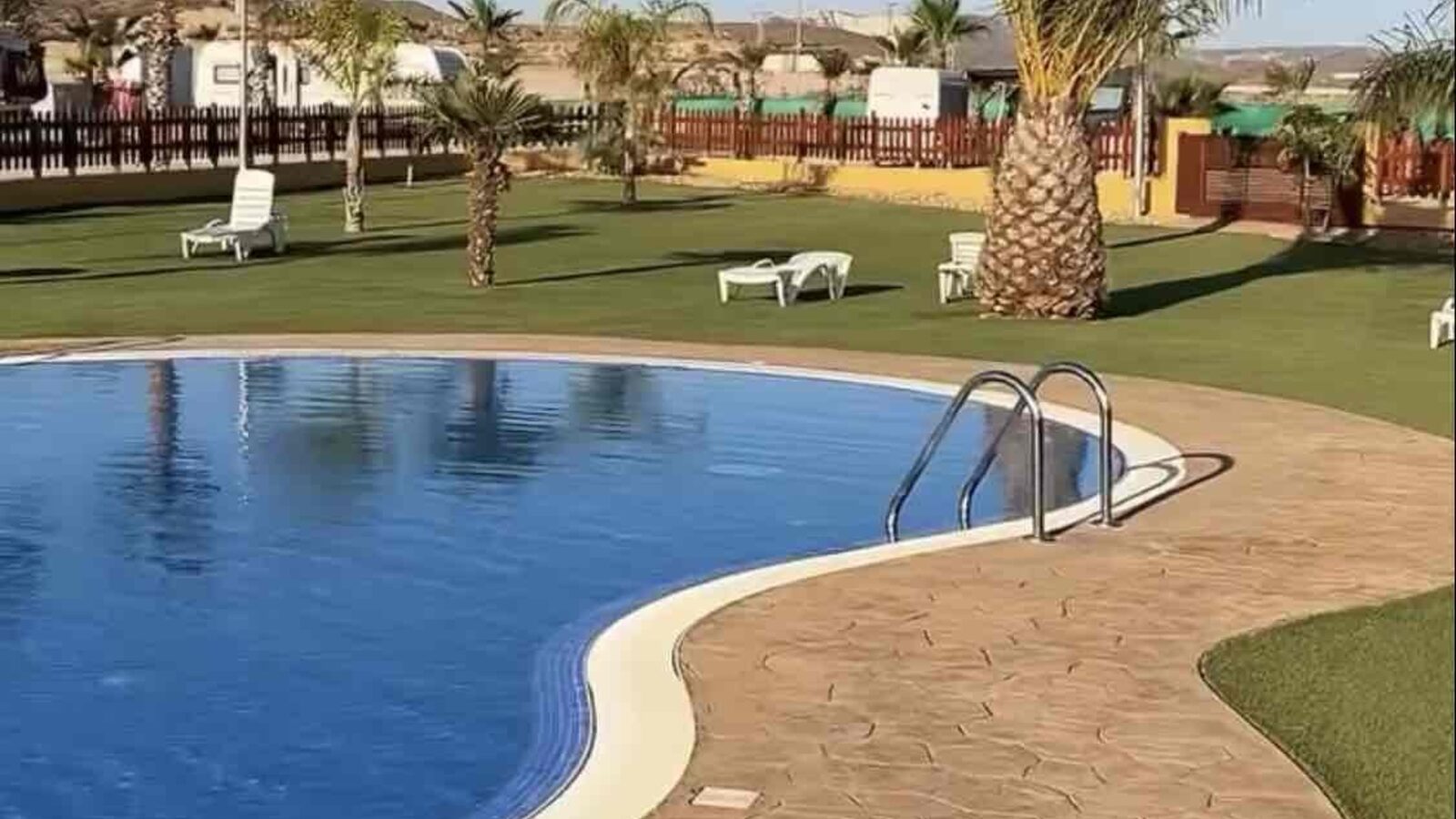
The best van travellers are not the ones who find the secret perfect spot every night. They are the ones who avoid getting stuck when the obvious spot does not work.
6. Paid private spots close to the coast
Private camper stops, farms, vineyards, and small rural hosts can be excellent beach-trip bases. They are often quieter than campsites and more personal than large motorhome areas.
The catch is that “near the beach” can mean anything from a five-minute walk to a 25-minute drive, so check the distance carefully. Also confirm arrival times, vehicle size limits, pets, services, and whether outdoor camping behaviour is allowed.
For example, this private coastal spot with sunset views in Campernight shows the kind of paid, hosted option that can work well when the immediate beachfront is busy or restricted.
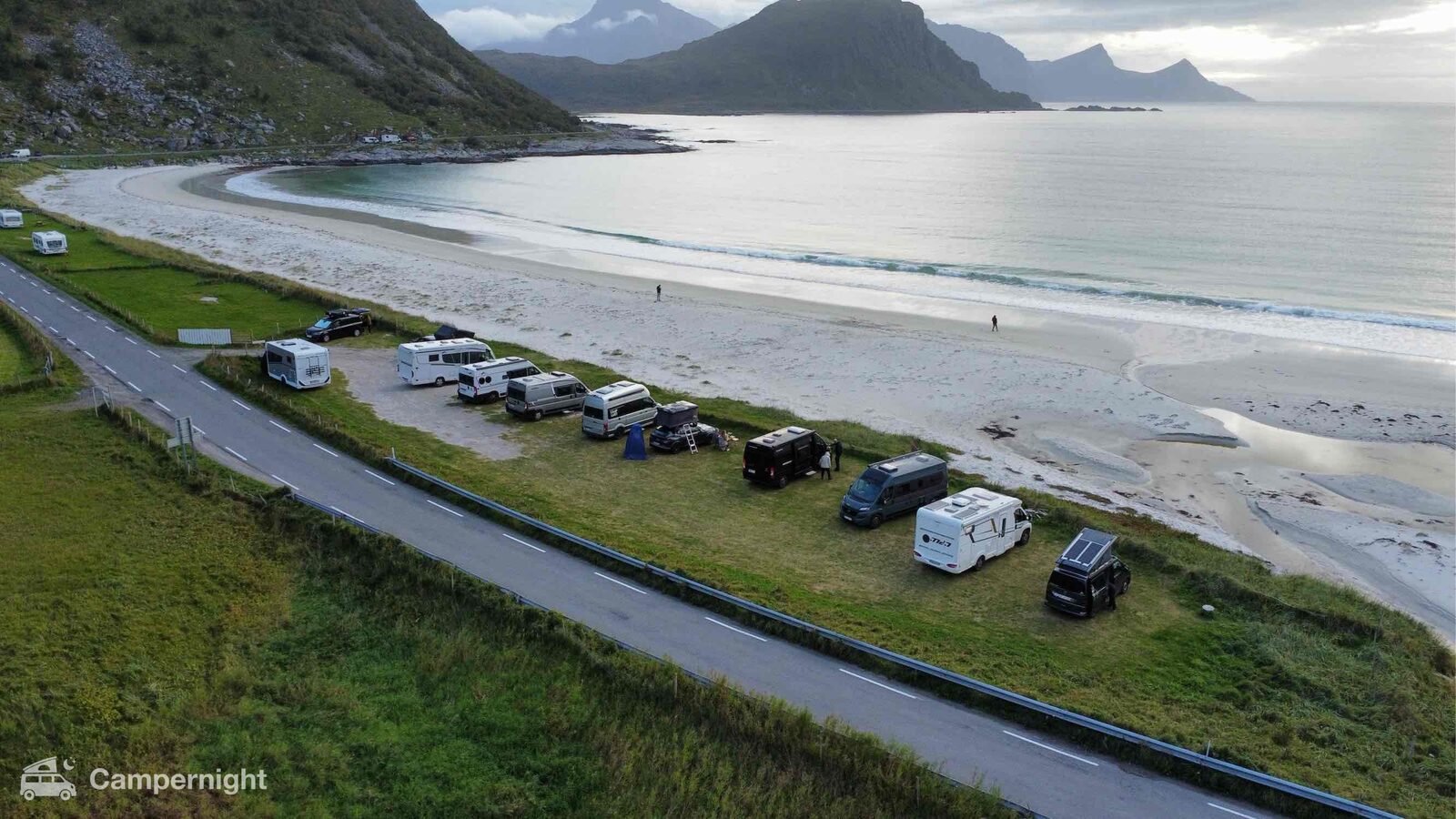
This type of spot is especially good when you want:
- A quieter night after a crowded beach day
- Local food, wine, or farm products
- A safe base for a family trip
- A legal option near a restricted coastline
If the host is small, message or call before arriving. Showing up late with a large motorhome is a bad way to start.
7. Surf beaches and activity zones
Surf beaches, kitesurf areas, and outdoor-sport coastlines often attract vans, but that does not automatically make overnight stays legal or welcome.
These places can be noisy, windy, exposed, and heavily checked in peak season. Some have official camper zones nearby; others tolerate day parking but restrict overnight stays.
Use them carefully:
- Prefer official camper areas near the surf zone
- Avoid blocking beach access or local businesses
- Keep outside setup minimal unless camping is allowed
- Leave before the morning rush if parking is limited
- Never drive onto dunes, sand tracks, or protected areas
A practical example is this surf/activity-zone base in Campernight, the kind of option that keeps you close enough for an early start without pretending the beach itself is always the right overnight place.
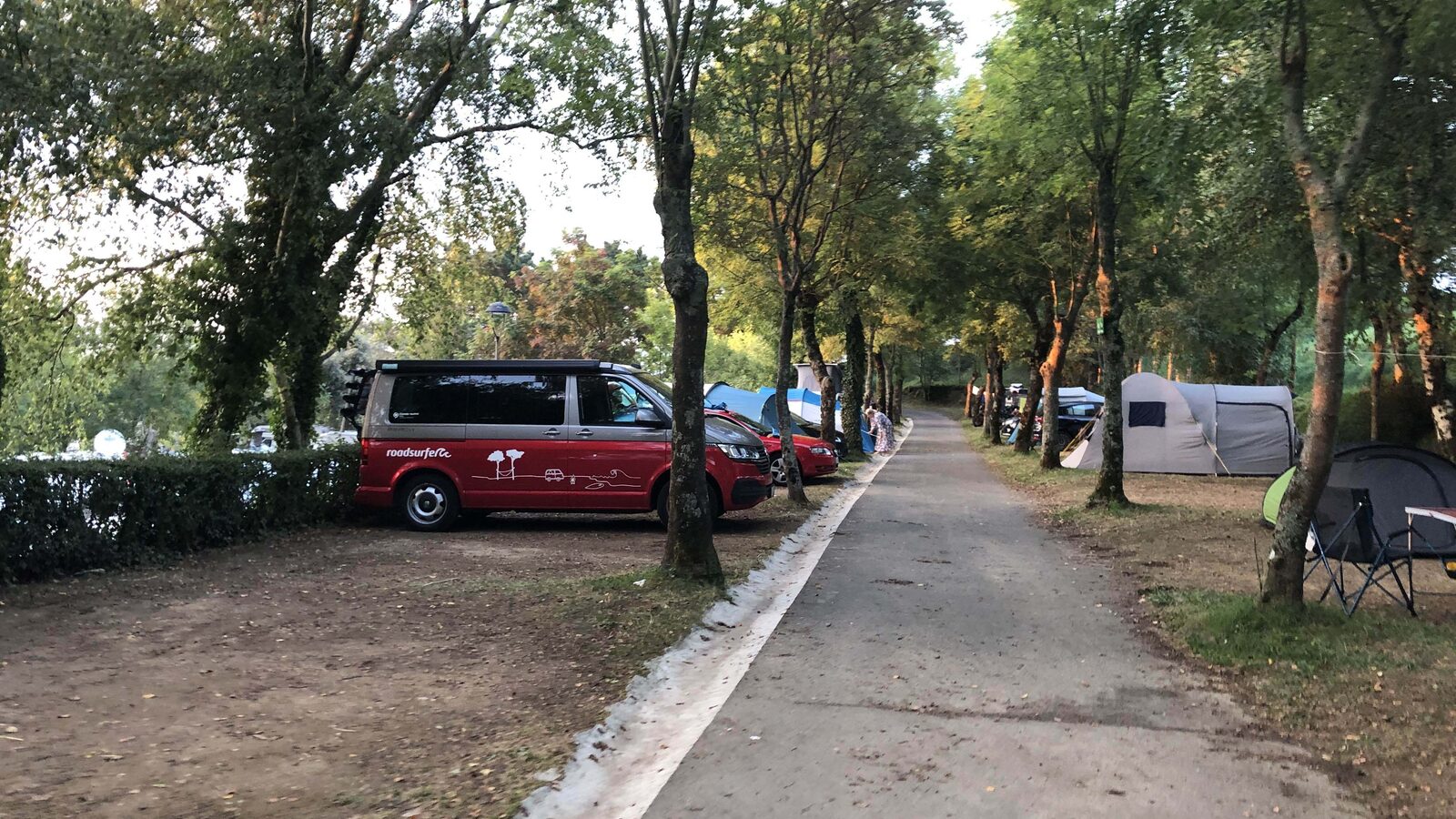
For activity beaches, the best overnight spot is often close enough to get there early, not directly on the front line.
Quick checklist before staying near a beach
Before you commit to a seaside overnight parking spot, ask:
- Are there signs prohibiting overnight parking, camping, motorhomes, or sleeping in vehicles?
- Is this a protected natural area, dune system, beach access road, or port zone?
- Is there clear permission, payment, or official signage, or does it look like tolerated chaos?
- Can you leave easily if asked to move?
- Are you avoiding camping behaviour outside the vehicle?
- Is the ground safe if it rains or tides change?
- Is it quiet enough to sleep and respectful to residents?
- Do you have a backup saved nearby?
If any answer feels off, move. A calmer legal spot ten minutes away is better than a scenic headache.
What to avoid
Some beach spots are not worth it, even if they look perfect in photos.
Avoid:
- Driving onto sand, dunes, or informal tracks
- Parking beside “no camping” or “no overnight” signs
- Blocking beach access, lifeguard roads, gates, or residents
- Setting up chairs, awnings, barbecues, or levelling ramps where only parking is allowed
- Staying multiple nights in sensitive coastal areas
- Relying on old app reviews from a different season
- Arriving late with no backup plan
Also be careful with country-by-country advice online. Europe is not one rulebook. Spain, France, Portugal, Italy, Croatia, Greece, and the Nordics all have different national frameworks, local enforcement, protected-area rules, and seasonal restrictions. Even within one country, the next municipality can handle campervans differently. For a wider overview, read our guide to wild camping laws in Europe.
Final take
The best beach overnight spots for campervans are not necessarily the ones closest to the water. They are the ones that let you enjoy the coast without stress: legal, respectful, safe, and backed up by a second plan.
For summer travel, think in layers:
- Target a legal coastal camper area or campsite first
- Keep a quieter village or inland backup saved
- Check signs and protected-area rules on arrival
- Keep your setup discreet unless camping is clearly allowed
- Move if the place feels wrong
Open Campernight before you arrive, compare beach campervan spots with nearby fallbacks, and save a small shortlist. That way, if the dream seafront spot is full or restricted, your beach trip still works.