How to Find Quiet Camper Spots in Peak Season
Peak season does not make quiet camper spots impossible. It just makes last-minute guessing expensive.
In July and August, the obvious overnight places fill first: beach car parks, famous viewpoints, campsites beside major resorts, and any free stop that appears near the top of a popular app. The calmer places are usually not secret. They are simply a bit less convenient, a bit earlier in the day, or one step inland from where everyone else is trying to park.
The goal is not to find a magical empty spot every night. The goal is to build a small system that gives you options before sunset, filters out noisy or risky places, and helps you move on quickly when a spot is full.
Start looking before the good spots disappear
The biggest peak-season mistake is starting the overnight search too late. By early evening, the best-reviewed quiet spots near beaches, lakes, national parks, and popular towns may already be full. If you wait until you are tired, hungry, and low on patience, every decision gets worse.
A better rhythm is simple: choose your likely overnight area before lunch, shortlist two or three realistic stops in the afternoon, and aim to arrive while there is still daylight. Daylight matters because you can read signs, check the surface, see whether the area feels respectful, and leave without drama if it is not right.
This is where Campernight is useful before the pressure starts. You can scan nearby camper-friendly places, compare recent photos and reviews, and save backup options before the day gets away from you. If you want a more detailed workflow, the Campernight guide to finding overnight parking pairs well with this peak-season approach.
Move one layer away from the obvious place
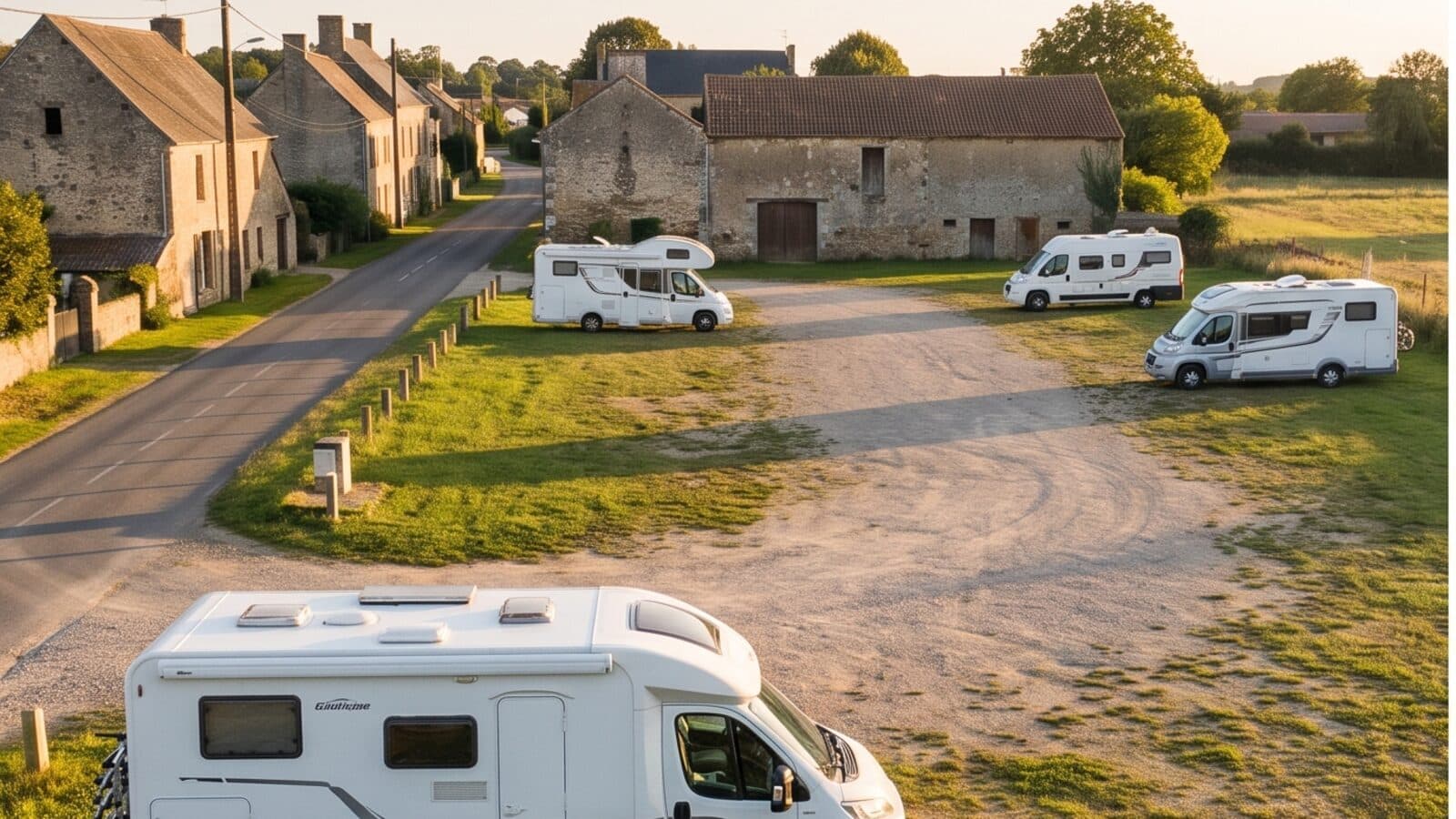
Quiet usually lives one layer away from the postcard. If the beach town is packed, look behind it: small inland villages, municipal motorhome areas, farm stays, less famous trailheads, rural campsites, service areas near secondary roads, or towns with public transport into the busy centre.
That extra ten or twenty minutes can change the night completely. A coastal car park might mean engines, doors, music, late arrivals, and a nervous feeling about signs. A small official area inland might mean shade, space, water, a bakery in the morning, and a legal place to sleep without pretending a crowded car park is wilderness.
Use this rule when you are planning a summer route: visit the hotspot during the day, sleep somewhere calmer nearby. You still get the beach, old town, hike, or lake swim, but you avoid building the whole night around the busiest place in the region.
Check recent reviews, not just star ratings
A quiet spot from three years ago might be a crowded spot today. Peak-season travel changes fast: a barrier can appear, local rules can tighten, a campsite can change owners, or a once-quiet pull-off can become famous online.
Before choosing a place, read the newest reviews first. Look for comments about noise, police visits, fines, full car parks, height barriers, access roads, shade, and whether larger motorhomes fit comfortably. Photos help too, especially when they show spacing, road proximity, surface type, and how exposed the place feels.
Do not treat a single bad review as proof that a place is unusable, but do treat patterns seriously. If several recent comments mention loud traffic, overcrowding, broken services, or unclear signs, believe them.
Build a three-stop backup plan
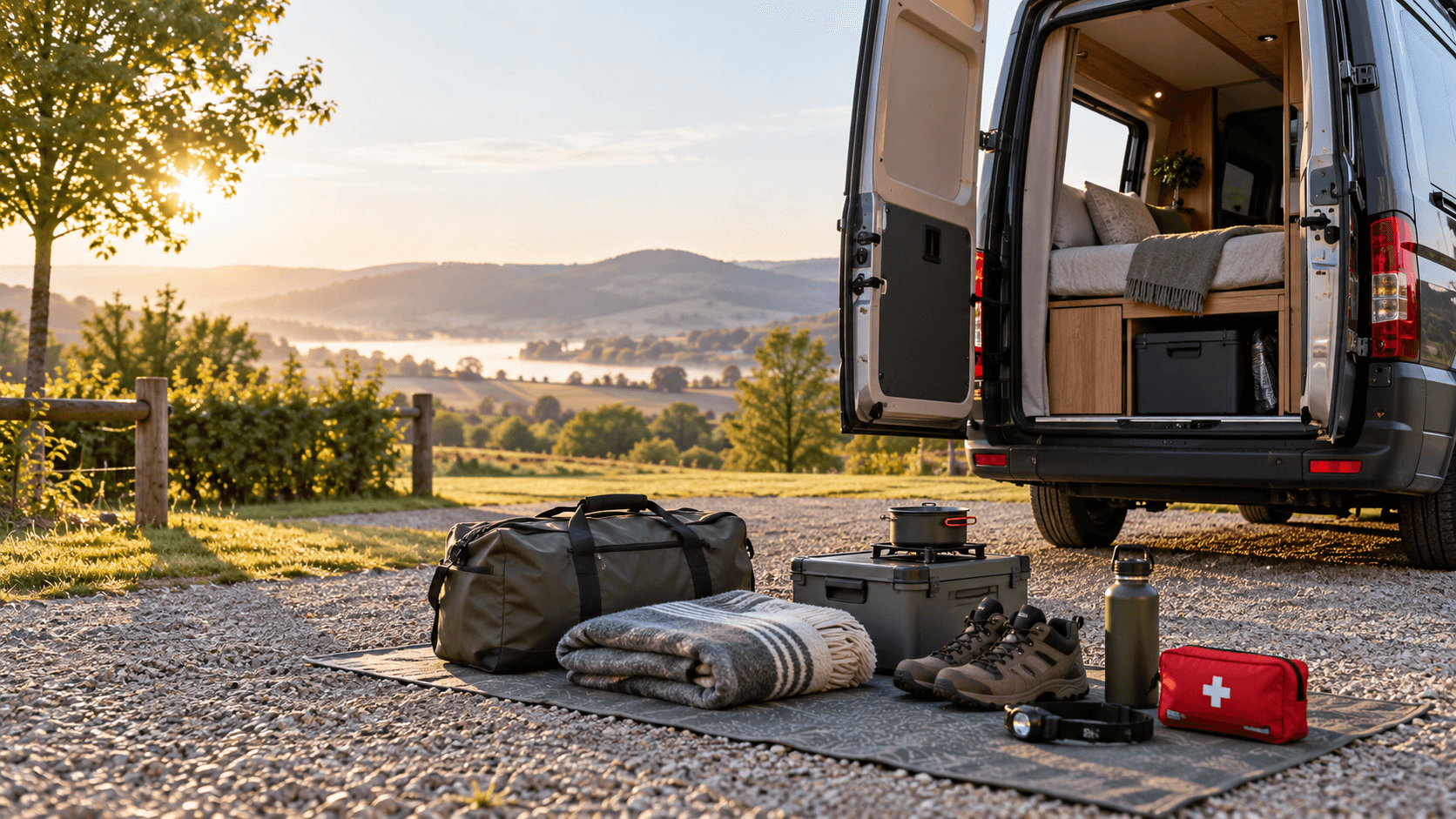
In peak season, a quiet night often comes from having a backup before you need one. I like a simple three-stop plan: the ideal spot, the sensible backup, and the boring emergency option.
- Ideal spot: the place you actually want, with the best setting or reviews.
- Sensible backup: a nearby official camper area, campsite, or quieter inland stop that still fits the route.
- Boring emergency option: a legal, practical place that solves the night even if it is not scenic.
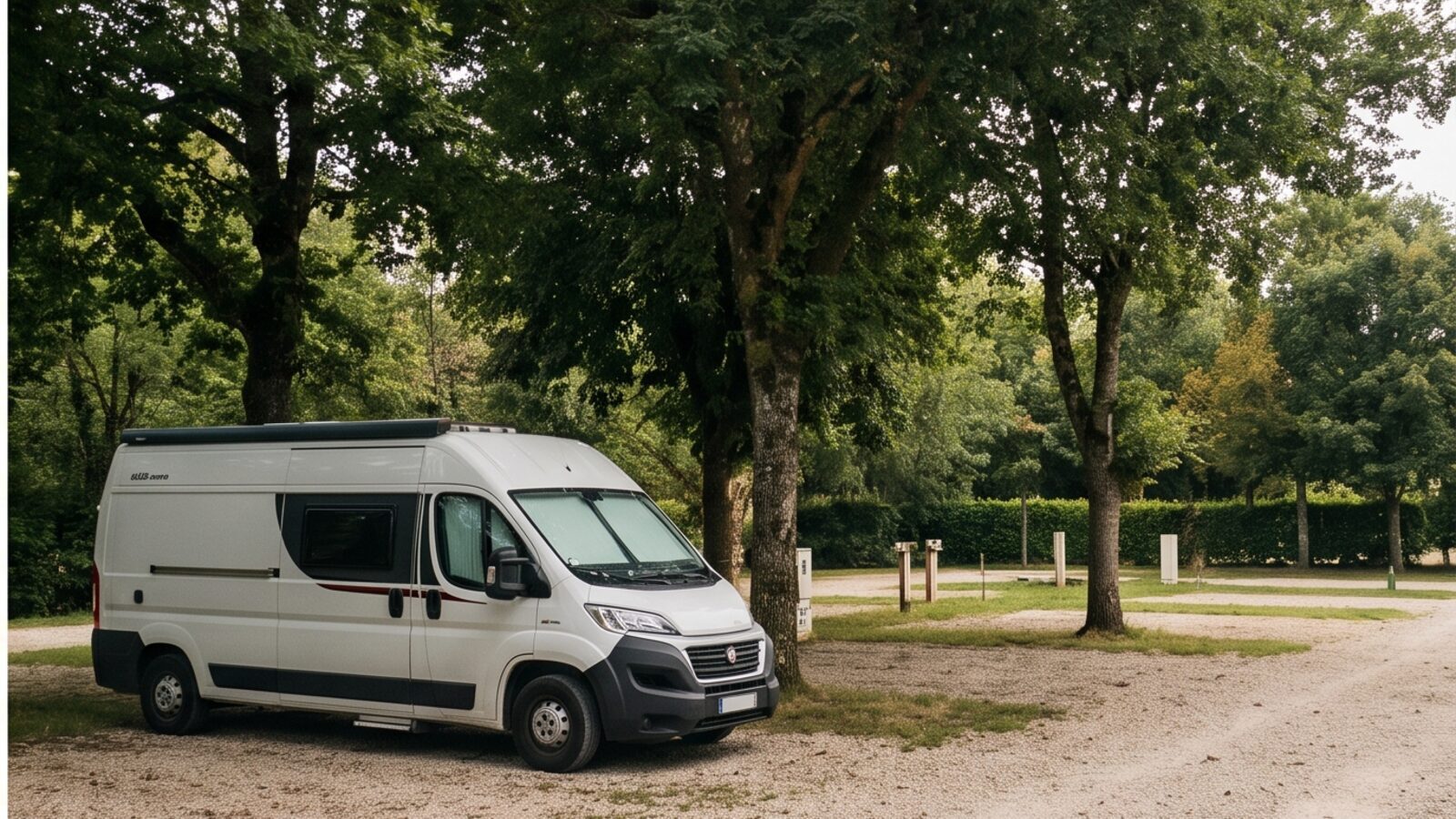
The boring option matters. It stops you from forcing a bad decision because you are emotionally attached to the perfect stop. In summer, the backup is not a failure. It is part of the plan.
Avoid spots that are quiet for the wrong reason
Some places are empty because they are peaceful. Others are empty because you should not sleep there.
Be careful with protected natural areas, beaches with local restrictions, private land, ports, residential streets, narrow dead-end tracks, and places with obvious no-camping or no-overnight signs. Across Europe, overnight parking and camping rules vary by country, region, municipality, protected area, and even by season. This article is practical planning advice, not legal advice. Always follow local signs and local rules.
A quiet spot should also feel easy to leave. If the access road is too narrow, the ground is soft, the exit could be blocked, or the place feels isolated in a bad way, move on while you still have daylight.
Arrive like someone who wants campervans to stay welcome
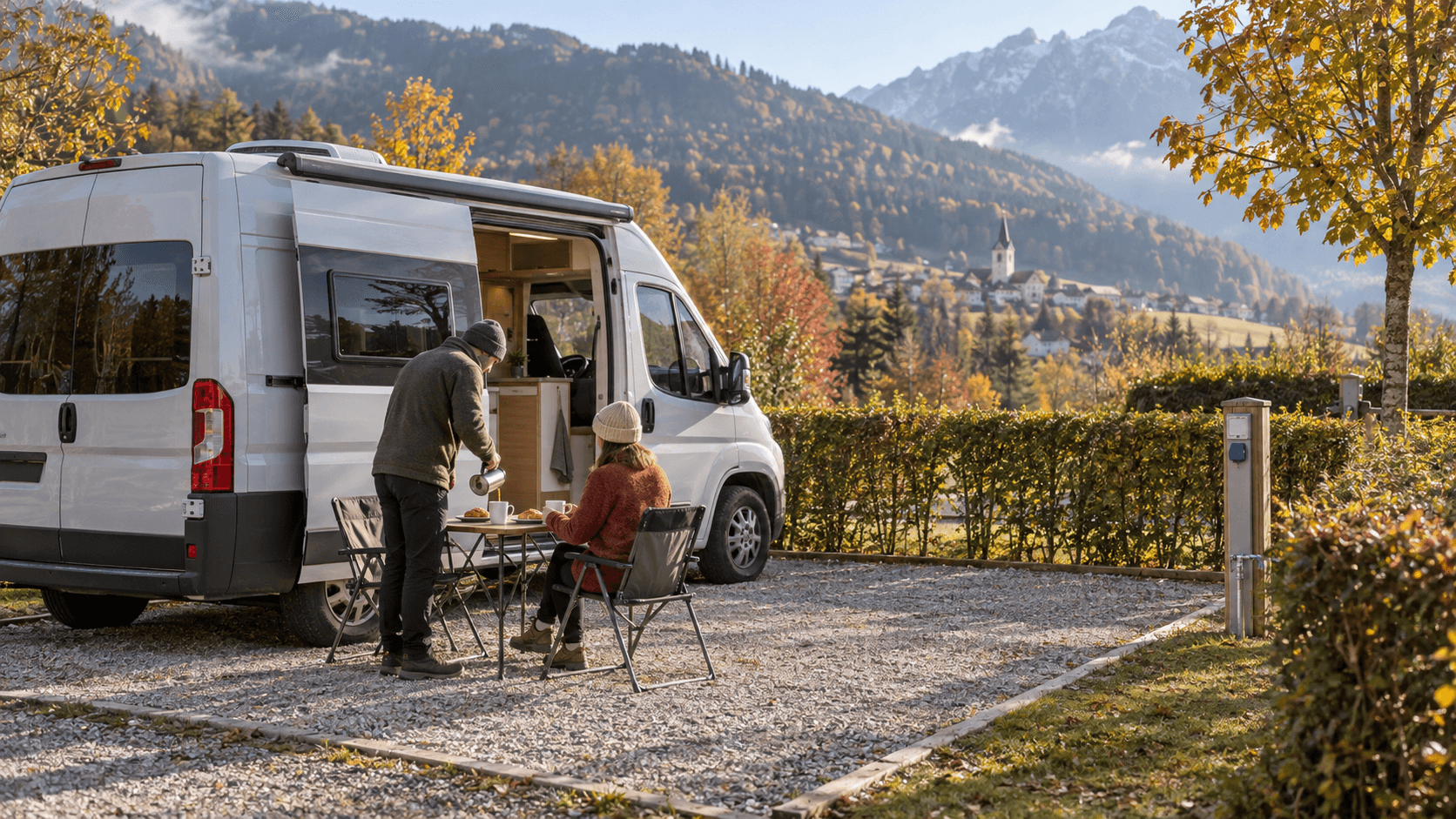
Quiet spots stay available when travellers behave quietly. The simplest rule is to park, sleep, and leave the place better than you found it. Keep the setup discreet unless camping behaviour is clearly allowed. That means no chairs, awnings, outdoor cooking, music, grey-water dumping, or taking over more space than your vehicle needs.
This is not just etiquette. In crowded months, local tolerance is thin. A few messy vans can turn a tolerated stop into a banned one. If a village gives travellers a legal place to stay, buy bread, coffee, dinner, fuel, or groceries nearby. Small support makes camper traffic feel useful instead of extractive.
Use campsites strategically, not as a defeat
A campsite can be the quietest choice on the busiest days, especially around famous coastlines, festivals, heatwaves, and family holiday weeks. It also solves practical problems: showers, laundry, water, waste disposal, electricity, shade, and a proper reset night.
The trick is to use campsites when they create value, not by default every night. Book one when the region is crowded, when you need services, or when arriving late would push you into poor choices. Then use official camper areas or smaller stops on easier nights.
Choose quiet by design
If quiet matters, design the route around it. Drive earlier. Sleep slightly inland. Check recent reviews. Save backups. Respect signs. Avoid turning parking into camping unless the place allows it. Use official stops when the legal picture is unclear.
Peak season rewards prepared travellers. Campernight helps by making that preparation faster: shortlist calm places, compare recent information, and keep a backup plan ready before the best options fill up. That is the real difference between chasing a quiet spot at sunset and arriving with choices.