Best Alternative Destinations When Hotspots Are Full
Some campervan destinations are famous because they deserve it. The problem is that in July and August, everyone else knows it too. The dream stop beside the lake is full by lunch. The beach campsite only has one tiny pitch beside the bins. The old-town aire has a queue, a height barrier, or a new sign that makes overnight parking uncertain.
When that happens, the answer is not to force the original plan harder. The smarter move is to switch destination type: same trip mood, less pressure. If the coast is packed, go slightly inland. If the famous lake is full, choose a smaller one nearby. If the Instagram route is gridlocked, take the parallel valley.
This guide is for choosing alternative destinations when hotspots are full, especially on European summer campervan routes. It is not a list of secret coordinates, and it is not legal advice. Overnight parking, camping behaviour, access roads, height barriers, and seasonal restrictions vary by country, region, municipality, and individual site. Always check current signs, recent reviews, and local rules before staying overnight.
The best alternative is usually the same promise with less pressure
Do not start by asking, "Where is the nearest empty place?" That often leads to tired decisions and mediocre stops. Ask a better question: what were you really trying to get from the hotspot?
Most famous summer camper destinations offer one of these promises:
- beach time
- mountain air
- lake swimming
- a pretty old town
- a scenic road
- outdoor activities
- family facilities
- a quiet overnight reset
Once you name the promise, alternatives become easier. You do not need that exact famous beach if the real goal is swimming and a relaxed evening. You do not need the best-known Alpine lake if the real goal is a cooler night, morning walk, and safe camper parking. You do not need the busiest coastal town if the real goal is seafood, shade, and a legal place to sleep nearby.
Campernight fits this decision well because you can search around the region, compare nearby camper-friendly places, and save backup stops before the day gets late. If you want the product workflow, start with the guide to finding overnight parking with Campernight, then use this article to decide where to point the route when the obvious place is already full.
Swap famous coasts for second-line coastal towns
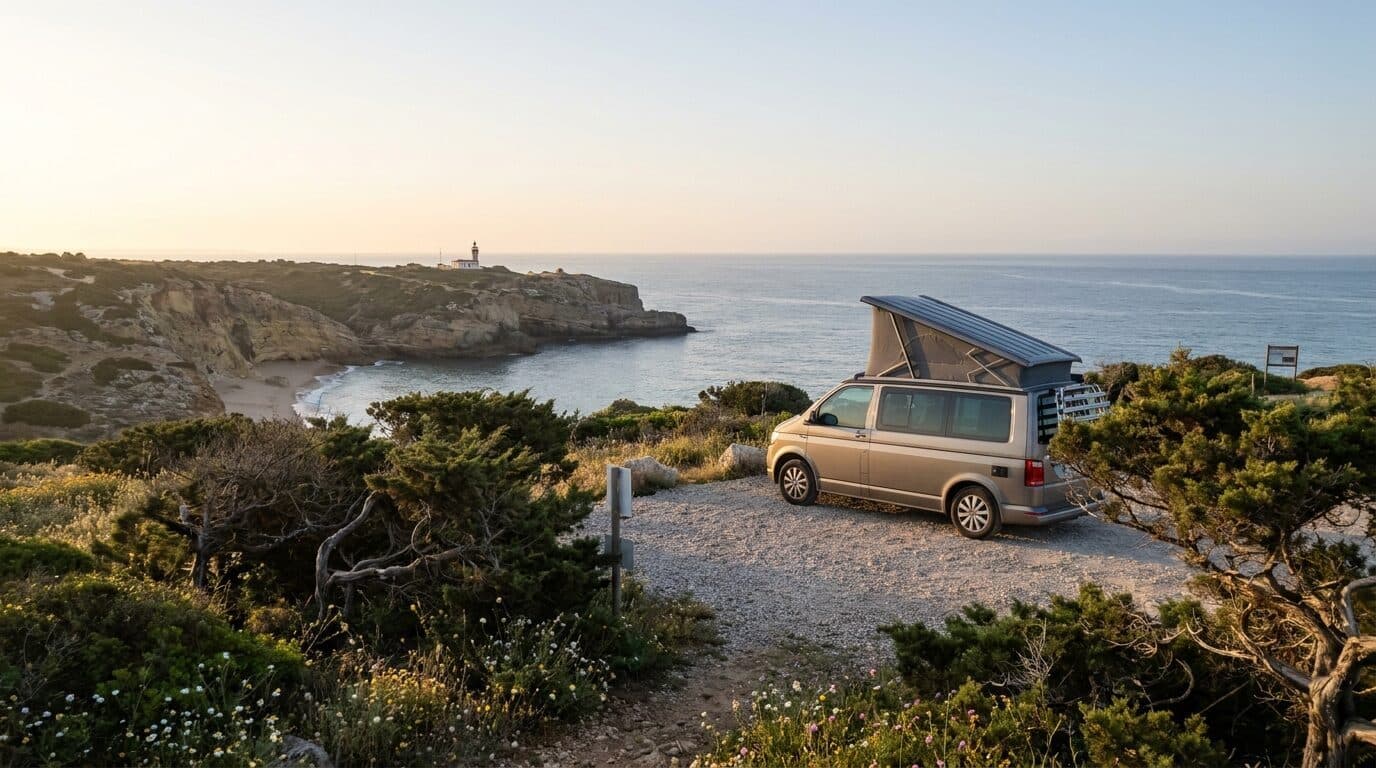
Coastal hotspots fill fast because everyone wants the same combination: beach access, sunset, restaurants, and a short walk back to the van. In high season, the calmest coastal choice is often not the famous beachfront. It is a smaller town one step away from the headline resort.
Instead of forcing a night beside the most popular beach, look for:
- a smaller harbour town 15 to 40 minutes along the coast
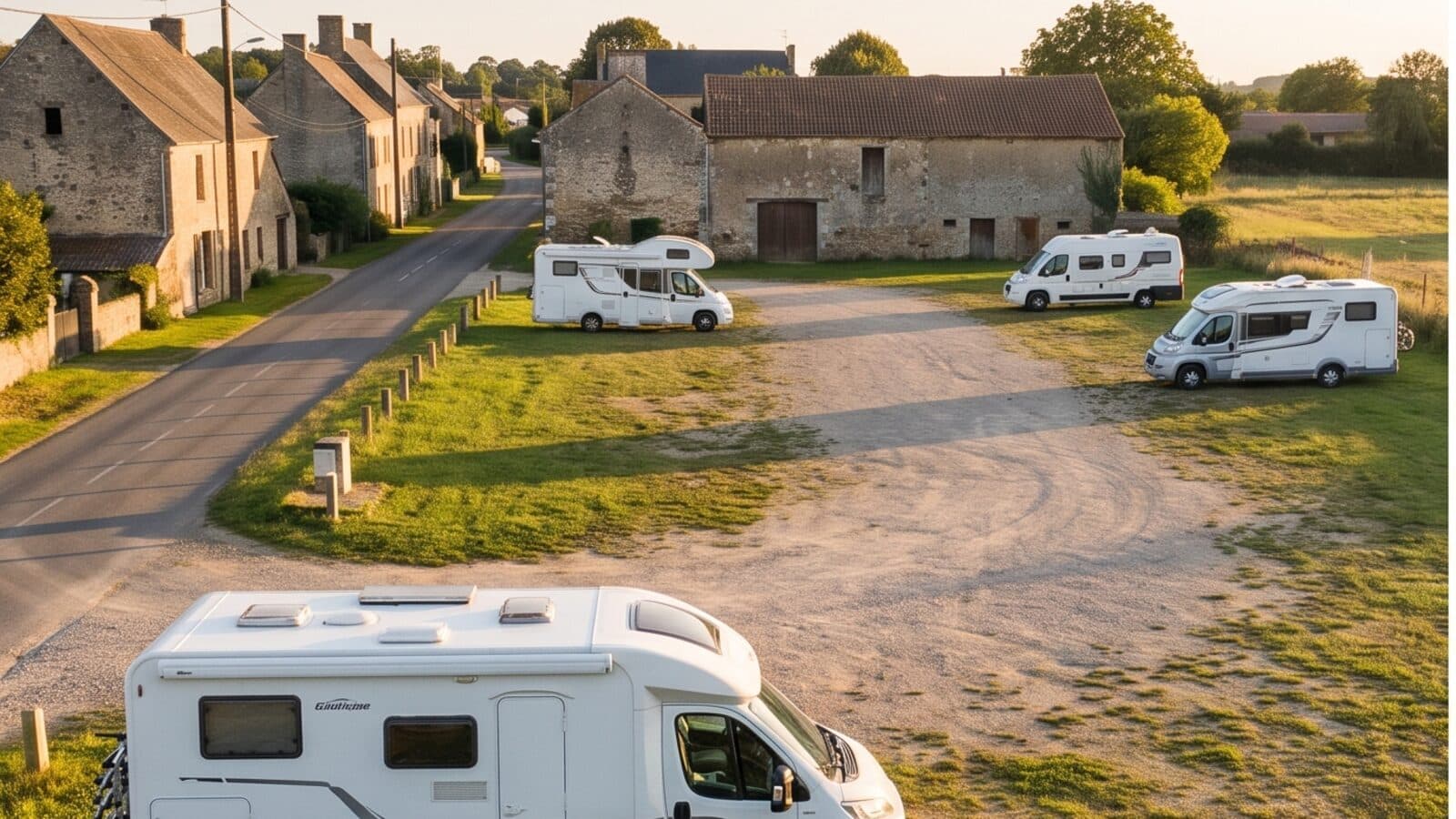
- an official motorhome area outside the resort centre
- a campsite or aire slightly inland with bus, bike, or morning driving access to the beach
- a coastal village with services but fewer nightlife magnets
- a non-beach activity base, such as a river, trail, or market town nearby
The trick is to separate daytime beach use from the overnight stop. Visit the famous coast early, enjoy it while parking is realistic, then sleep somewhere calmer. This is often more comfortable anyway: less noise, more space, better services, and fewer awkward decisions around beachside overnight restrictions.
Swap celebrity lakes for smaller lakes and reservoir areas
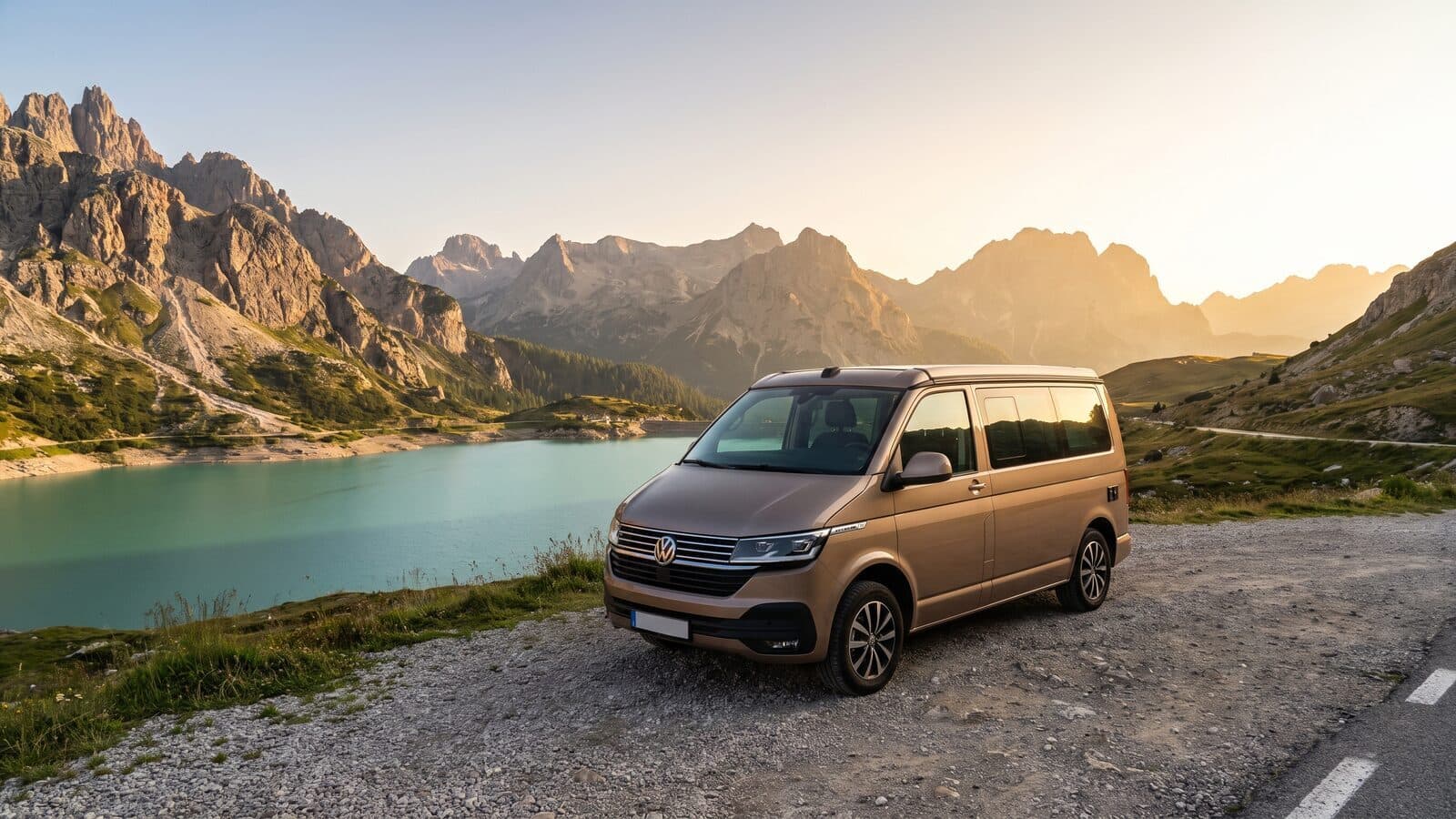
Europe's famous lakes are beautiful, but they can become difficult camper destinations in summer. The most obvious lakeside car parks fill early, lakeside roads get slow, and campsite availability can disappear.
When the famous lake is full, search for smaller water instead of giving up on the idea. Reservoirs, river valleys, less-publicized swimming lakes, and lakeside towns away from the postcard viewpoint can deliver the same cool-down effect without the traffic.
Good alternatives usually have one or two of these signals:
- official parking or camping infrastructure near the water
- recent camper reviews from the current season
- a town with groceries and services nearby
- shade or higher elevation
- a backup overnight option within 20 to 30 minutes
Avoid assuming that a quiet lake automatically means you can sleep there. Some reservoirs, protected shores, and nature areas have stricter rules than busier developed places. Treat the quieter option as a planning lead, not permission.
Swap iconic mountain passes for parallel valleys
Mountain routes are a brilliant way to escape summer heat, but the most famous passes and viewpoints can become surprisingly crowded. If a pass is overloaded, blocked by traffic, or simply too stressful for your vehicle, choose a parallel valley rather than abandoning the mountains.
Parallel valleys often have the same benefits: cooler nights, walking trails, small towns, views, and easier daytime temperatures. They may also offer more practical camper infrastructure because they are lived-in places, not just photo stops.
Look for valley alternatives with:
- official camper areas or campsites near villages
- realistic access roads for your vehicle size
- services before you climb higher
- trailheads that are not the main cable-car parking lot
- a lower-altitude fallback if weather changes
For broader route thinking, Campernight's spring campervan routes in Europe guide is useful even outside spring because it frames routes by rhythm, stop density, and weather flexibility, not just famous pins.
Swap capital cities for smaller historic towns
Big cities can be worth visiting by campervan, but they are rarely the easiest overnight choice in summer. Low-emission zones, tight streets, expensive parking, heat, security concerns, and limited camper facilities can make the destination feel heavier than expected.
If the capital or major city is not working, switch to a smaller historic town on the same route. You still get architecture, restaurants, markets, museums, and evening atmosphere, but the logistics are usually simpler.
This swap works especially well when:
- the smaller town has a municipal campsite, aire, or motorhome area
- the historic centre is walkable from legal parking or reachable by public transport
- you can use it as a base for a day trip rather than sleeping inside the urban core
- the next morning's route is easier from the smaller town than from the city
The point is not to avoid cities forever. It is to stop treating the biggest name on the map as the only valid cultural stop.
Swap one "must-see" region for a route cluster
The hardest hotspots to replace are entire famous regions: Provence in lavender season, the Dolomites in August, the Algarve coast, the Costa Brava, Lake Garda, the French Riviera, the Lofoten Islands, or the Scottish Highlands in peak holiday weeks.
When a whole region is busy, stop thinking in single destinations and build a cluster. A route cluster gives you several nearby options with the same trip theme:
- one main attraction
- one smaller town
- one nature stop
- one practical overnight area
- one bad-weather or full-capacity fallback
For example, a "coast plus inland village" cluster is stronger than one beachfront pin. A "mountain valley plus small lake plus service town" cluster is stronger than one famous viewpoint. A "historic town plus countryside campsite plus morning market" cluster is stronger than trying to park overnight in the busiest old town.
The cluster approach makes your trip harder to break. If one place is full, the day still has shape.
Use services as the deciding factor
When two alternatives look equally good, choose the one that solves more practical needs. Summer campervan pressure is often about services as much as scenery: water, waste disposal, toilets, shade, groceries, laundries, fuel, and a legal place to rest.
A beautiful but uncertain car park is rarely better than a less dramatic official stop with water, reviews, and a calm exit route. A campsite 20 minutes inland can beat a crowded beach road. A town aire near a bakery and supermarket can beat a viewpoint where everyone is circling for the same few spaces.
This is especially true if you are travelling with kids, a dog, a larger motorhome, or during a heatwave. The best alternative destination is the one that gives tomorrow a smoother start.
Check the current-season evidence
Alternative destinations only work if the information is fresh. A blog post, travel guide, or old review can inspire the route, but recent reviews and local signs decide the stop.
Before committing, check:
- whether recent camper reviews mention full capacity
- whether overnight parking is still tolerated or clearly allowed
- whether new barriers, time limits, or no-motorhome signs appeared this season
- whether services are working
- whether the place is noisy, exposed, or unsafe after dark
- whether local comments suggest residents are frustrated with camper traffic
If the recent evidence is weak, keep the place as a daytime stop and sleep somewhere more certain.
Keep one boring option on purpose
Every peak-season route needs one deliberately boring backup: a paid campsite, a motorway service area where overnight stopping is clearly permitted, a municipal motorhome area, or a practical stop away from the scenic pressure zone.
This is not the dream stop. It is the pressure valve. If the lovely alternatives are full too, the boring option stops you from making a risky late-night choice. It also protects the trip mood. A calm, legal, forgettable night is better than a beautiful place where you feel unwelcome, unsafe, or unsure.
Save it before you need it. Once everyone is tired, good judgement gets expensive.
Quick destination swaps for crowded summer routes
- Famous beach town -> smaller harbour town plus inland overnight stop
- Front-row campsite -> rural campsite 15 to 30 minutes away
- Celebrity lake -> smaller lake, reservoir, or river valley with services
- Iconic mountain pass -> parallel valley with official camper infrastructure
- Big city overnight -> smaller historic town with public transport or walkable parking
- Instagram viewpoint -> practical village stop plus early morning visit
- Fully booked resort area -> route cluster with three nearby alternatives
- Scenic but uncertain car park -> official motorhome area or campsite
Conclusion
When a hotspot is full, the goal is not to win a space at any cost. The goal is to keep the trip good. Choose the same travel promise with less pressure: a quieter coast, a smaller lake, a parallel valley, a secondary town, or a route cluster with real backup options.
Campernight can help you make that switch before the evening gets messy. Search wider than the famous pin, compare recent reviews, save several legal-looking options, and keep one practical fallback ready. In summer, the best destination is often not the one everyone has heard of. It is the one that still works when the obvious place is already full.