How to Avoid Crowded Camper Spots in Summer
Summer is when camper travel feels easiest: long evenings, warm mornings, open mountain roads, and beach days that do not need much planning. It is also when the obvious camper spots fill first. The famous beach car park, the lake view everyone saved, the aire beside the old town, the campsite with the sunset photo: by late afternoon in July and August, those places can turn from dream stop to queue, noise, and stress.
The good news is that avoiding crowded camper spots in summer is less about secret coordinates and more about travel habits. If you change when you arrive, where you search, and how many backup options you keep, you can still have a calm trip in peak season without relying on luck.
This guide is written for Europe-wide campervan and motorhome travel, so treat it as practical planning advice rather than local legal guidance. Overnight parking and camping rules vary by country, region, municipality, land type, and season. Always check local signs and current rules before settling in for the night.
1. Stop chasing the most obvious spot
The busiest camper places are usually obvious for a reason: they are close to a famous beach, a landmark, a lakefront promenade, a cable car, or a historic centre. In summer, those same advantages attract everyone else too.
A quieter trip often starts by moving one layer away from the headline destination. Instead of trying to sleep beside the famous beach, look for a legal stop 15 to 30 minutes inland. Instead of parking at the old-town viewpoint, search near the next village with services. Instead of aiming for the most-reviewed overnight place, compare several spots with fewer reviews but recent useful comments.
This does not mean choosing boring places. Some of the best summer stops are the practical ones: a municipal motorhome area near a small town, a farm campsite outside a busy coast, a shaded aire on the edge of a regional park, or a simple overnight stop close enough to enjoy the destination in the morning.
2. Arrive before the daily rush
Timing matters more than people think. In peak season, many camper spots have a daily rhythm. Beach and lake areas often fill from late morning into the afternoon. Mountain trailheads can be busy early, then free up later. Campsites and official areas may get a wave of arrivals between 17:00 and 20:00.
If a place is important to your route, try to arrive outside the obvious window. For popular overnight areas, that usually means early afternoon rather than dinner time. For day-use parking near a beach or trail, go early, enjoy the place, then move to a calmer overnight stop before everyone starts searching at the same time.
The worst strategy is to drive toward a famous summer area at 19:30 with one saved spot and no backup. That is how a relaxing route becomes a stressful loop through full car parks.
3. Build a three-stop backup plan
Before you reach a busy region, save at least three realistic overnight options: your ideal stop, a practical fallback, and a boring-but-safe option. Campernight is useful here because you can shortlist places before the signal gets weak, compare recent reviews, and keep alternatives ready instead of searching from scratch when you are tired. If you want the product workflow version, the guide to finding overnight parking with Campernight shows how to search and filter spots more deliberately.
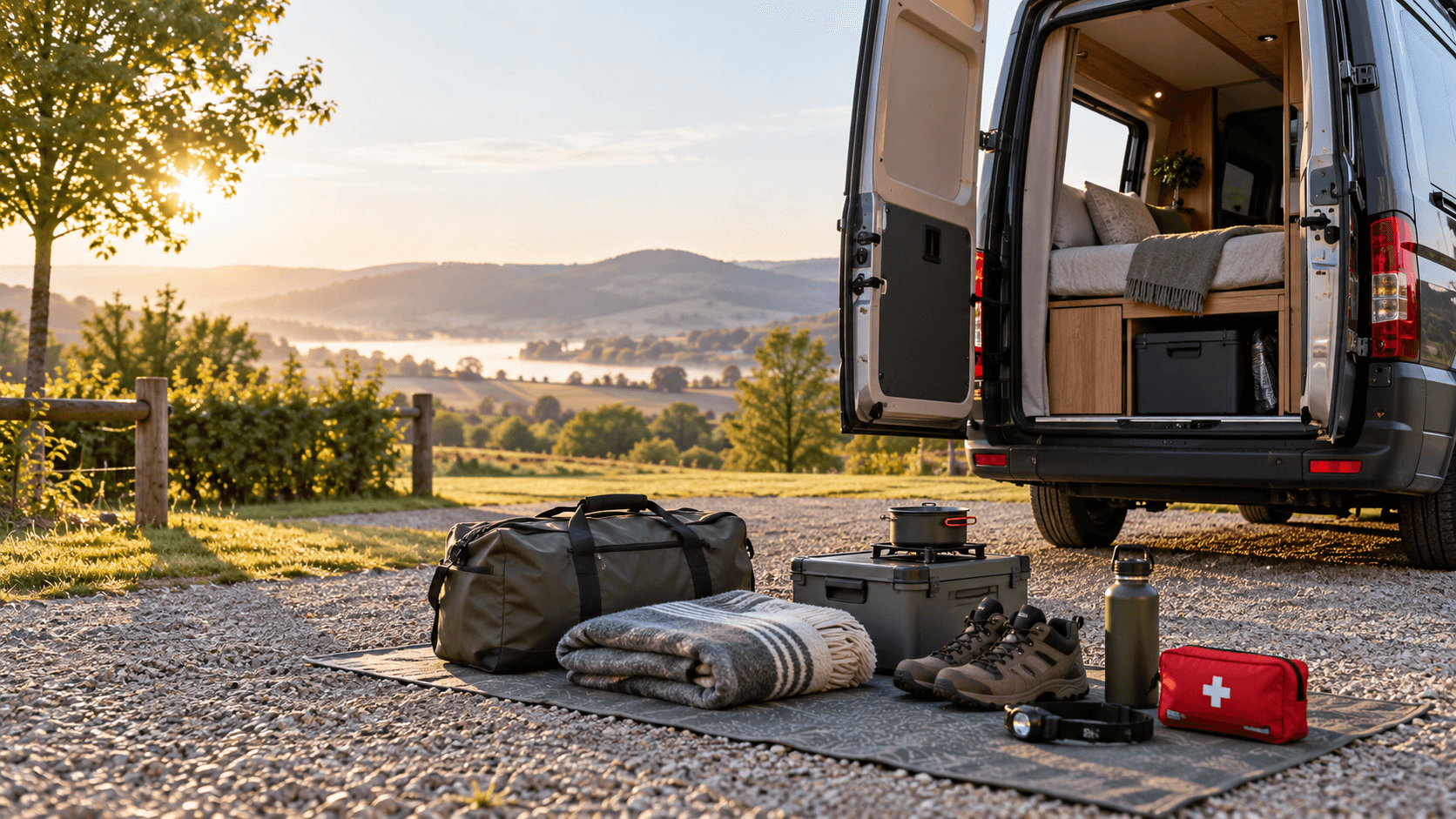
The ideal stop is the place you would choose if everything goes well. The practical fallback is close enough to the route but less obvious: inland, outside the resort town, away from the main attraction, or near a smaller service area. The boring-but-safe option is the one you will be grateful for if it is late, hot, or you are travelling with kids or a dog.
Do not treat the fallback as a failure. In summer, the fallback often gives you the better night: less traffic, fewer doors slamming, more space, and an easier morning departure.
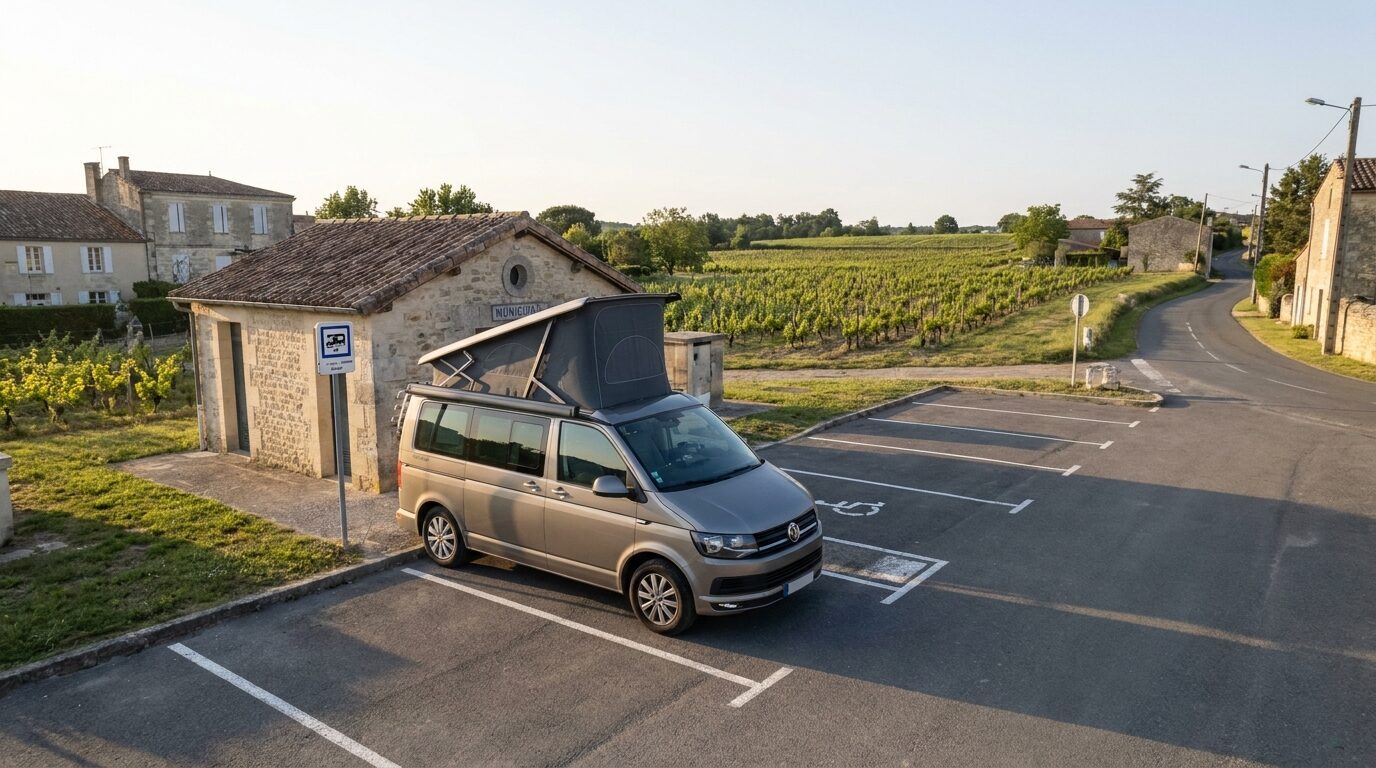
4. Look inland from crowded coastlines
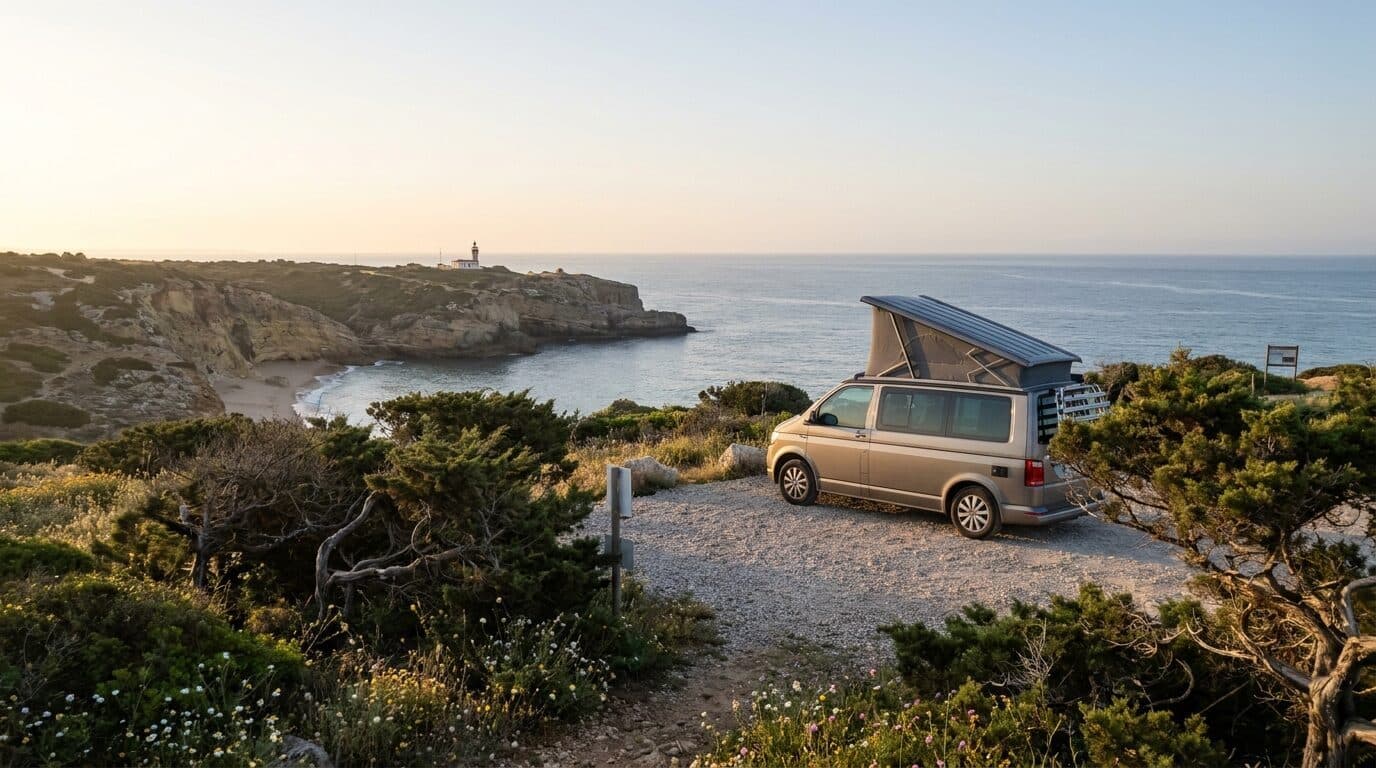
Coastal Europe is beautiful in summer, but the closer you get to the front line of beaches, promenades, surf schools, and sunset viewpoints, the more pressure you will feel. A simple rule works well: enjoy the coast during the day, sleep slightly inland when the coast becomes crowded.
This is especially useful in places where overnight parking near beaches is restricted or heavily checked in summer. A small inland town, an official motorhome area, or a campsite a short drive from the sea can be less scenic at first glance, but it often means a quieter night, easier services, and less risk of accidentally camping where only parking is allowed.
You can apply the same logic to lakes, national parks, and famous mountain passes. The closer a stop is to the postcard view, the more competition it usually has. The calmer option is often on the access road, in the valley, or near a less famous entrance.
5. Use services as a crowd filter
Crowds are not only about the number of vans. They are also about friction. If every traveller needs water, toilets, waste disposal, groceries, shade, and a legal overnight option in the same two square kilometres, that area gets busy fast.
Instead of searching only for "beautiful overnight spots", search around the services you actually need. A place near water and waste disposal may save you from joining the same overloaded beach queue as everyone else. A paid official area with basic services may be calmer than a free scenic car park that has become famous online.
In hot weather, shade and access to water matter too. A quieter inland stop with trees can be more comfortable than an exposed coastal parking area where everyone leaves engines, fans, or doors running late into the night.
6. Avoid planning every night around sunset
Sunset spots look good in photos, which is exactly why they get crowded. If every night of the trip depends on reaching a famous west-facing viewpoint, you will spend too much time competing for the same small spaces.
A better pattern is to separate the sunset from the overnight stop. Go to the viewpoint for the evening if parking rules allow it, then move to a quieter legal place nearby. Or do the opposite: sleep somewhere practical and wake up early for the view before the daytime traffic arrives.
This habit also makes you more flexible with weather. If clouds, heat, wind, or local restrictions make the scenic stop less appealing, you have not built the whole day around it.
7. Travel against the weekly pattern
Many summer crowds follow a weekly rhythm. Fridays and Saturdays are harder near cities, beaches, lakes, and popular weekend areas. Sundays can be busy around return routes and service points. Midweek is often calmer, especially outside the biggest tourist hotspots.
If your route allows it, use weekends for quieter inland areas, countryside campsites, lesser-known towns, or longer driving transfers. Save the most popular coastlines, lakes, and mountain stops for midweek mornings. It is not magic, but it can make the same destination feel very different.
8. Read recent reviews, not just ratings
In summer, a five-star rating from last October is less useful than a plain recent review from last week. Look for practical details: was the place full by 16:00? Were there height barriers? Did police move vans on? Was overnight parking allowed but camping behaviour not tolerated? Were services working? Was there shade? Were there noisy roads or late-night gatherings?
This is where planning apps are only as good as your reading habits. Do not just save the prettiest pin. Scan the newest comments, check whether the situation changes in high season, and keep a backup if the last few reviews sound uncertain.
9. Know the difference between parking and camping
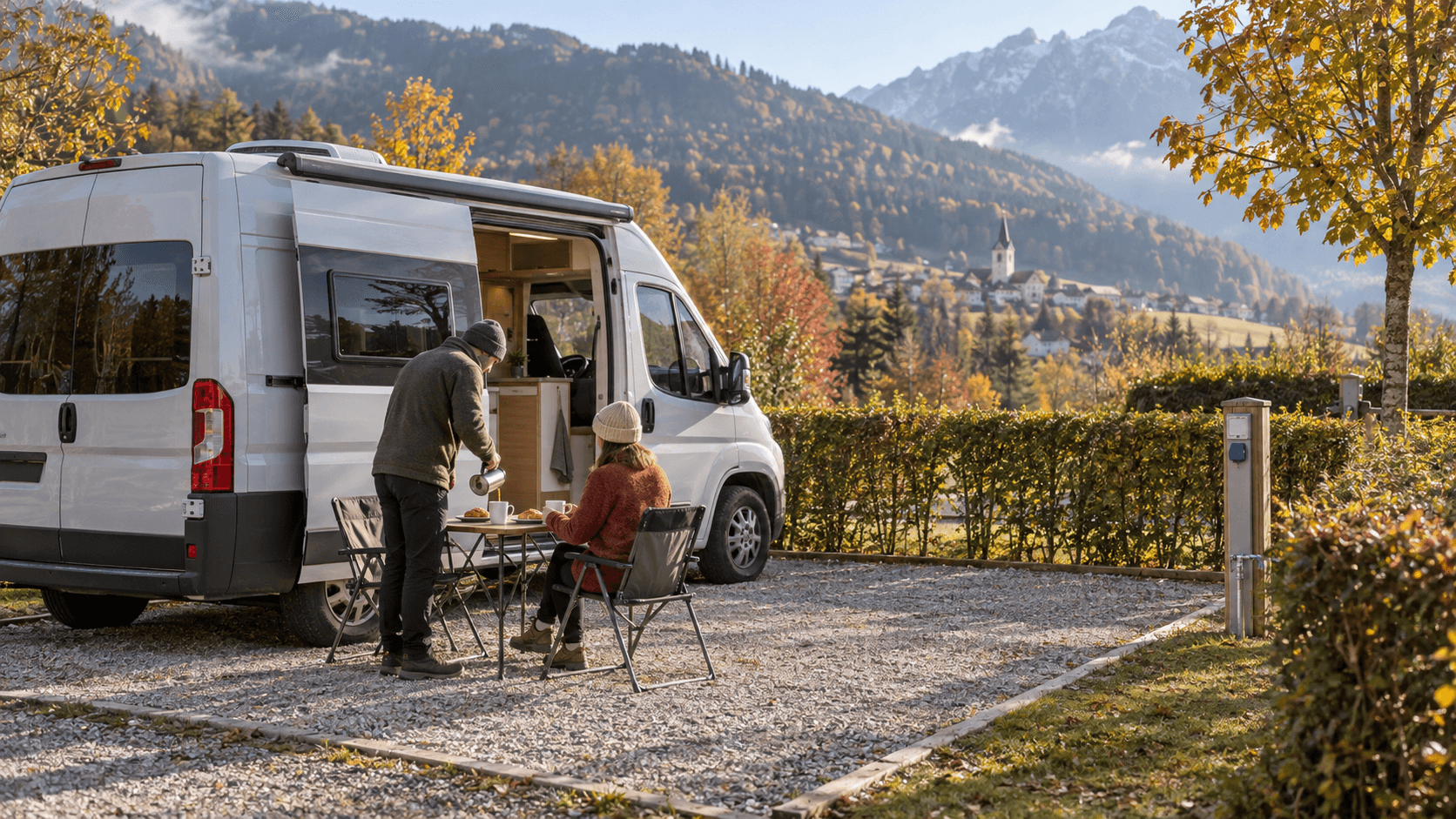
A lot of summer trouble comes from confusing parking with camping. In many places, parking a vehicle may be allowed while camping behaviour is restricted. Camping behaviour can include putting out chairs, tables, awnings, levelling blocks, laundry, barbecues, or anything that expands your setup beyond the vehicle.
The exact rules vary by country and municipality, so avoid absolute assumptions. When you are in a sensitive area, especially near beaches, protected landscapes, villages, or tourist hotspots, keep your setup discreet, follow signs, and move to an official campsite or motorhome area if you want to spread out.
If this is your first summer route, pair this article with the first campervan trip guide so the basics are covered before you start making peak-season decisions under pressure.
10. Make your route easier to abandon
The best summer camper routes are flexible. If a beach town is overloaded, you can leave. If a mountain pass has no space, you can sleep lower in the valley. If a campsite is full, you have an official area saved nearby. If a heatwave makes the coast miserable, you can move inland or higher up.
A flexible route usually has shorter driving days, fewer must-do stops, and realistic alternatives. It also leaves room for local advice. If a campsite owner, municipal sign, or recent review says an area is struggling with overtourism, listen and adjust.
If you are still deciding which region gives you enough flexibility, Campernight's guide to spring campervan routes in Europe is useful for thinking in terms of route rhythm, stop density, and backup areas rather than one perfect overnight pin.
Quick checklist before entering a crowded summer area
- Save three overnight options before you arrive.
- Check the newest reviews, not only the rating.
- Arrive earlier than the evening rush.
- Look 15 to 30 minutes inland from famous beaches or lakes.
- Separate scenic day parking from the overnight stop when needed.
- Keep camping behaviour for places where it is allowed.
- Have one practical paid option in reserve.
- Avoid making every night depend on a famous sunset spot.
The calmest spot is usually the planned one
Avoiding crowded camper spots in summer is not about finding one perfect secret place. It is about stacking small decisions in your favour: arrive earlier, search one layer away from the obvious destination, read recent reviews, respect local rules, and keep backup stops ready.
Campernight can help with that planning mindset. Use it before the day gets late, save more than one option, and treat the backup stop as part of the route rather than a last-minute compromise. In peak season, that is often the difference between a stressful evening and a quiet night.