Where to Park Overnight Near Beaches Legally
Beach nights are one of the best parts of campervan travel, but they are also where travellers most often get caught by confusing rules. A car park by the sea can look perfect at sunset and still be banned for overnight stays. A place that was tolerated last summer can change after one bad season of overcrowding. And in many coastal areas, the difference between parking, sleeping, and camping matters.
The practical answer is simple: do not start by looking for "wild camping on the beach". Start by looking for legal overnight parking near the coast, then check the signs, local rules, recent reviews, and your own behaviour once you arrive. That approach gives you the sea-air feeling without gambling on a fine or damaging places that already receive too much pressure in summer.
Parking near a beach is not the same as camping on a beach
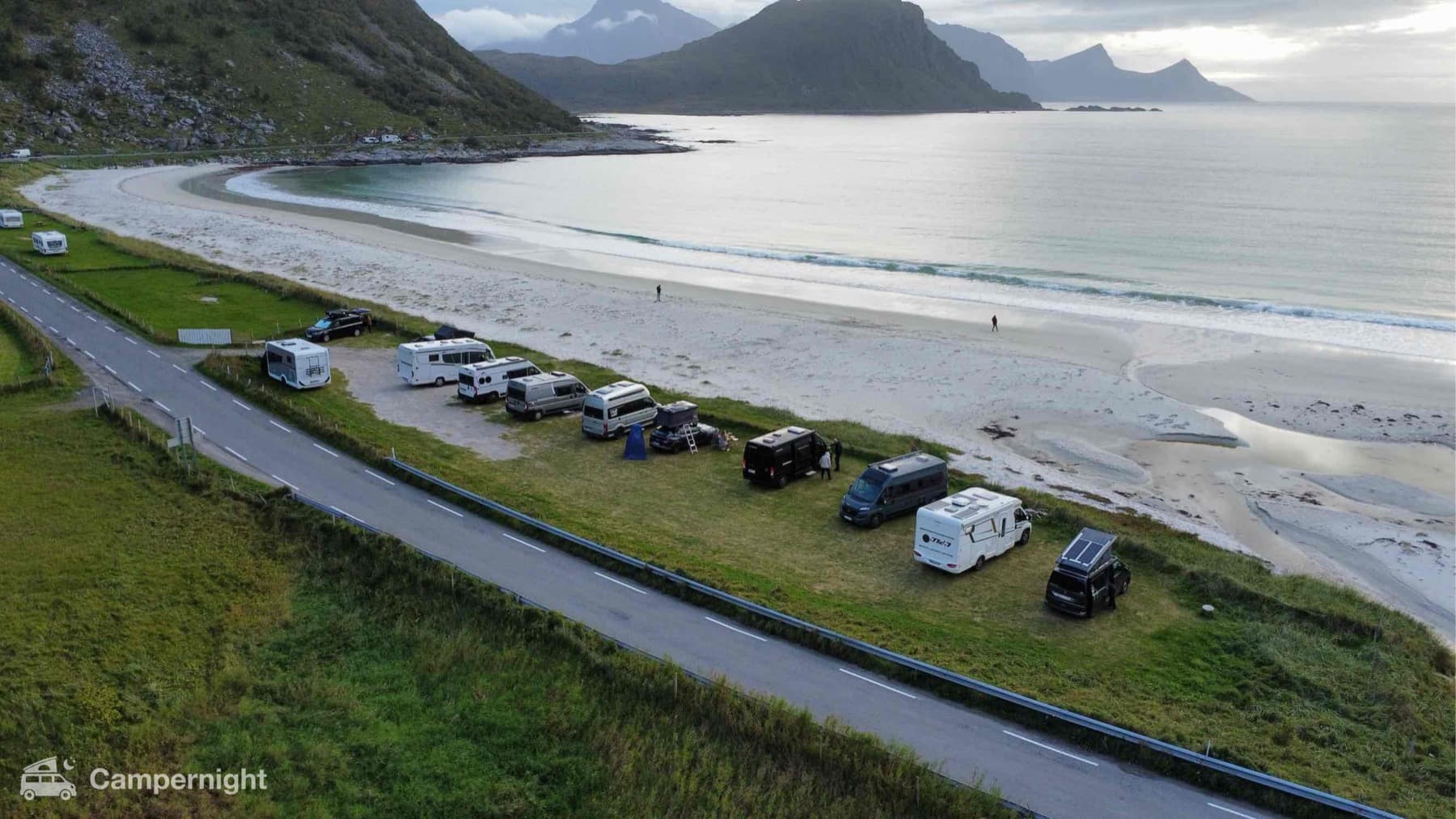
In most European beach destinations, sleeping directly on the sand, dunes, protected coastline, or informal tracks behind the beach is either illegal, restricted, or very likely to create conflict. Even where overnight parking is tolerated nearby, setting up camp usually changes the situation.
For campervan travellers, the safer distinction is:
- Parking: the vehicle is in a legal parking space, nothing is outside, and you respect any time, height, or vehicle restrictions.
- Overnight parking: the place explicitly allows or clearly tolerates vehicles staying overnight.
- Camping: awnings, chairs, tables, levelling blocks, cooking outside, washing lines, noise, or staying several nights.
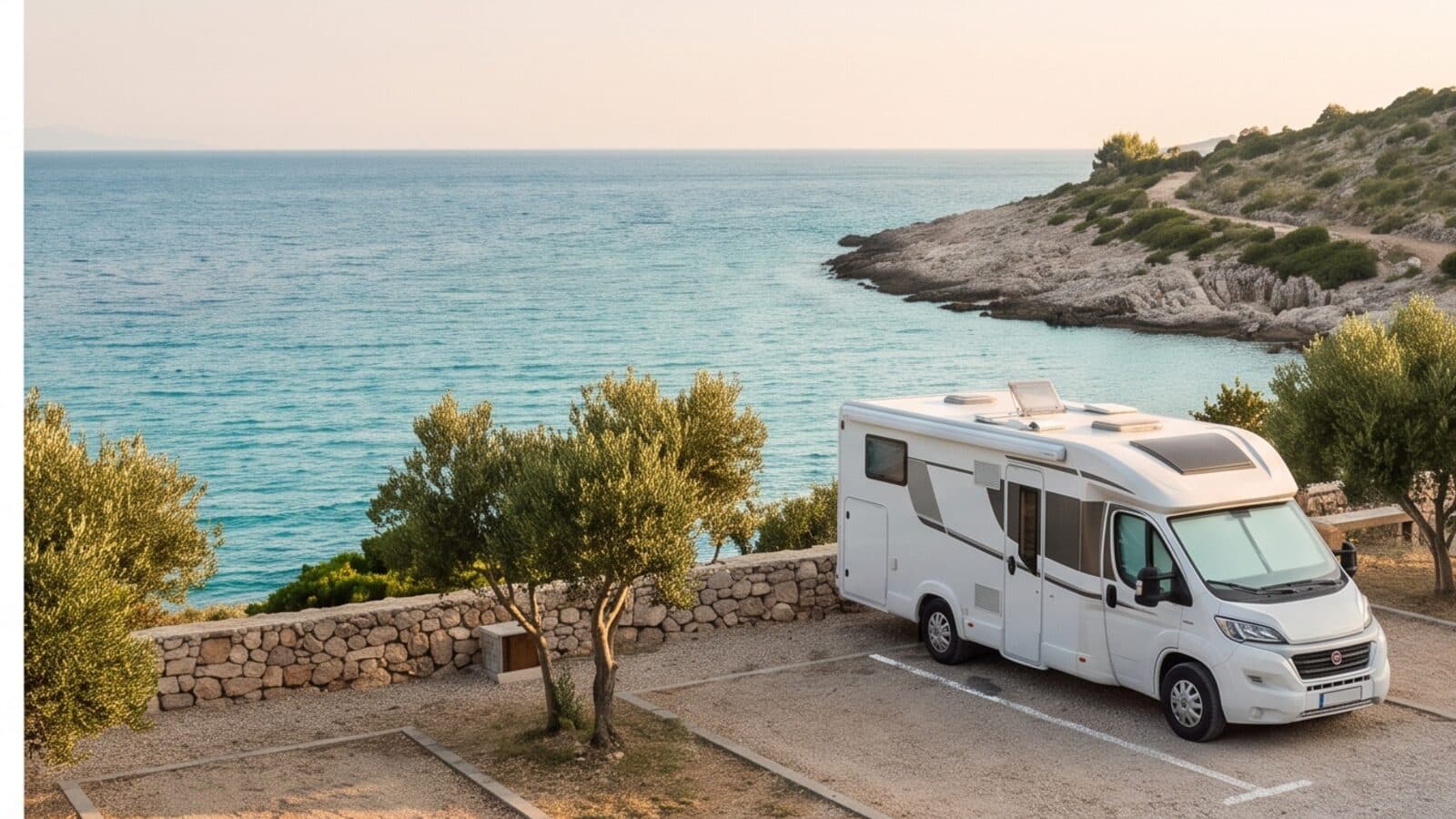
Many coastal car parks tolerate parking but ban camping behaviour. Some ban overnight stays completely from late spring to early autumn. Others allow motorhomes only in a designated section, municipal aire, campsite, or paid camper area a short walk or bike ride from the beach.
This is why the best beach overnight spot is often not the closest one to the water. It is the one where the overnight rules are clear.
The most reliable legal options near beaches
Start with official or semi-official places before searching for "hidden" spots. They are usually less romantic in photos, but they are far more useful at 10pm when you need somewhere legal and calm.
Good options include:
- Municipal motorhome areas near coastal towns.
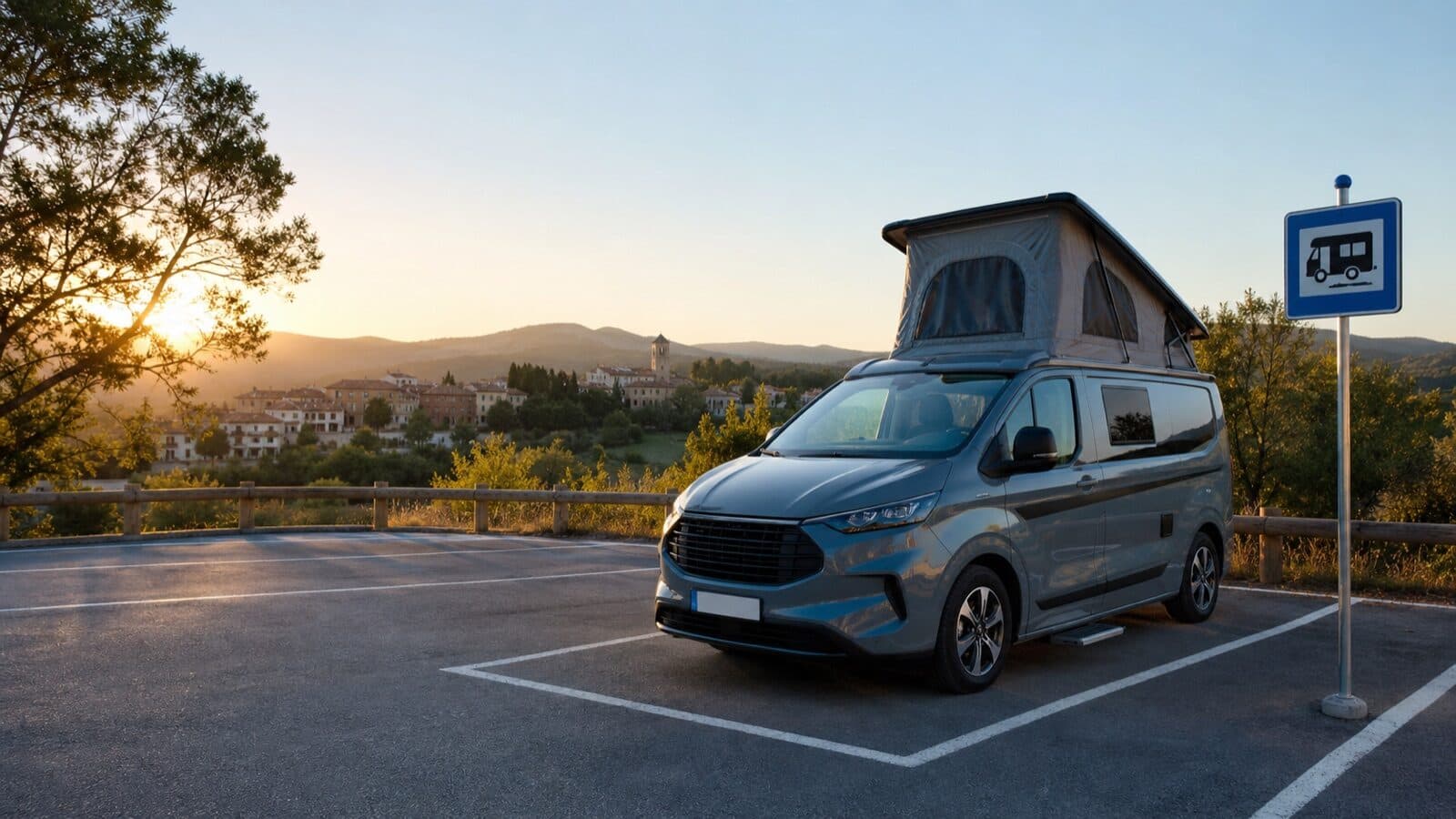
- Aires, stellplaetze, sostas, or camper stops depending on the country.
- Campsites close to the beach when you need showers, shade, or a longer stay.
- Paid beach-adjacent car parks that explicitly allow overnight motorhome parking.
- Marina, port, ferry, or service-area parking where overnight stays are signposted as allowed.
- Inland fallback spots 5 to 20 minutes from the coast when beach rules are strict.
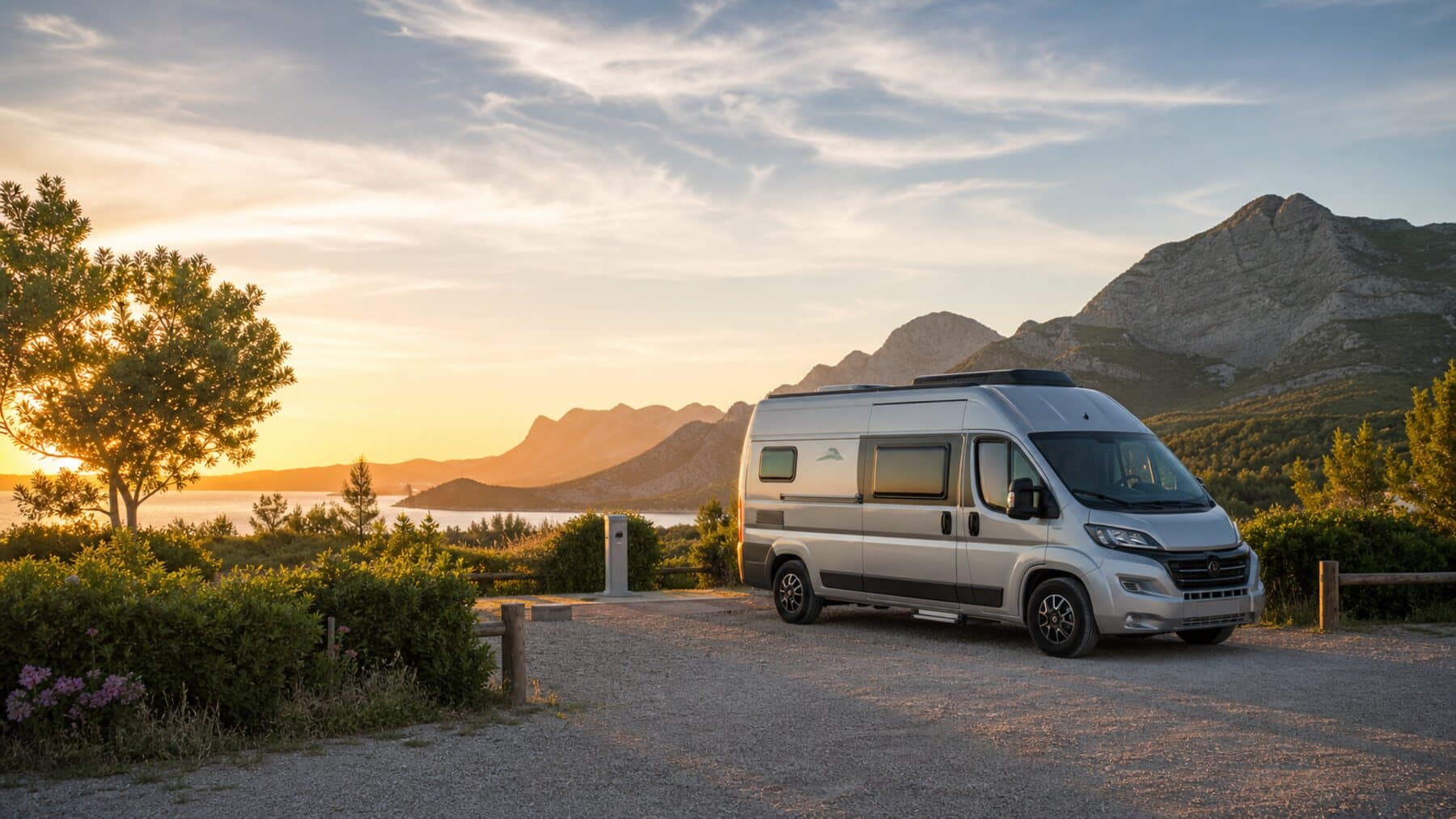
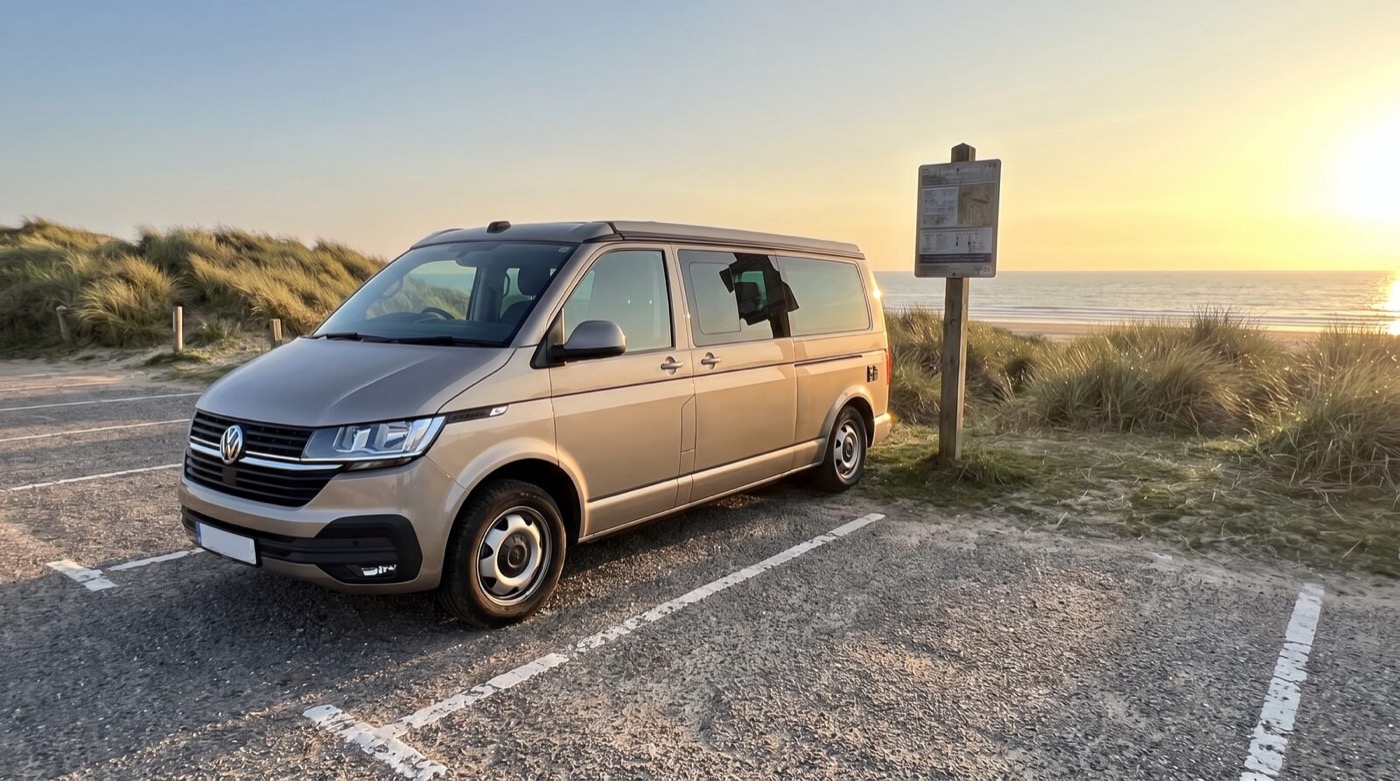
Private spots can also be hidden gems when the owner has a privileged location and the overnight permission is explicit. For example, this private spot with stunning views on Campernight is the kind of place worth checking when you want something more special than a normal car park, while still avoiding the guesswork of informal beach parking.
If you are using Campernight to find overnight parking, treat the map as your shortlist, not your final legal permission. Open recent reviews, look for mentions of fines or police visits, check whether the spot is seasonal, and always read the physical signs when you arrive.
For beach areas, recent reviews matter more than old ratings. Coastal councils often change rules after summer crowding, wildfire risk, dune damage, complaints, or new resident parking schemes.
What to check before you stay overnight
Before you switch off the engine, do a two-minute rule check. It can save you a fine, a midnight knock, or the awkward feeling that you are pushing your luck in a place that is already under pressure.
Check these things in order:
- Signs at the entrance and payment machine. Look for no overnight parking, no camping, vehicle height limits, motorhome bans, maximum stay rules, seasonal restrictions, or paid hours that continue overnight.
- Local context. Protected dunes, nature reserves, beach access tracks, fire-risk areas, and residential seafronts are high-risk places to avoid.
- Recent reviews. If several people mention fines, police checks, angry locals, or "used to be allowed", do not treat the spot as safe.
- Your arrival time. Turning up late and leaving early can reduce impact, but it does not make a banned place legal.
- Your setup. If it is a parking area, keep everything inside the van. No awning, chairs, tables, cooking outside, or levelled "camp" look.
- Backup options. Always save at least one official fallback before sunset, especially in July and August.
The rule of thumb: if you would not feel comfortable explaining your choice to a local police officer or council worker, move somewhere clearer.
Country rules vary, and local rules matter even more
Europe is not one legal system for campervans. Some countries have strong networks of official motorhome stops. Some are strict about wild camping but practical about overnight parking. Some coastal towns are relaxed outside peak season and much stricter in summer.
That means broad "yes" or "no" answers are risky. France, Spain, Portugal, Italy, Croatia, the Netherlands, Germany, Scandinavia, and the UK all have different rules, and municipalities can add their own restrictions on top. Beach zones are especially local because they involve residents, tourism pressure, protected nature, parking capacity, and safety.
For a broader country-by-country planning mindset, read Campernight's guide to wild camping laws in Europe. For this specific beach question, the safest approach is to combine country-level awareness with what the signs and local authority rules say at the actual spot.
If a place is inside or beside a national park, natural park, dune system, wildfire-risk zone, or protected coastal area, be extra conservative. Even if there are no obvious barriers, the rules may be stricter than a normal town car park.
How to behave so legal spots stay available
Beach parking gets restricted when travellers behave as if a car park is a campsite. Councils notice rubbish, grey water, noise, outdoor cooking, blocked access, overcrowding, and vans staying for days. Once locals get fed up, the next step is often a height barrier or a blanket motorhome ban.
The responsible version is boring but effective:
- Arrive with water, food, and waste already handled.
- Park inside marked spaces.
- Keep chairs, tables, awnings, and cooking gear inside unless the area explicitly allows camping behaviour.
- Do not empty grey water or toilets anywhere except a legal service point.
- Keep noise low and lights discreet.
- Buy something locally when you use a town's infrastructure.
- Leave early if the car park is meant for daytime beach users.
- Move on after one night unless the place is designed for longer stays.
This is not just etiquette. It is how the good coastal places remain available for the next traveller.
A simple beach overnight parking workflow
Use this sequence when planning a summer beach stop:
- Search for official camper areas, aires, campsites, or paid motorhome parking near the coast.
- Shortlist two or three options in Campernight.
- Read recent reviews for fines, police visits, barriers, seasonal bans, and noise.
- Check the local signs when you arrive.
- Keep your setup as parking unless camping is explicitly allowed.
- Save one inland fallback before sunset.
The best beach night is not the one where you hide and hope. It is the one where you know why you are allowed to be there, sleep well, and leave the place better than you found it.
Final take
You can absolutely enjoy beach areas by campervan in Europe, but the legal answer is rarely "sleep anywhere near the sea". Look for designated or clearly tolerated overnight parking, treat beach car parks with caution, and remember that local signs beat old blog posts, old app reviews, and wishful thinking.
Campernight can help you find reviewed camper-friendly spots, compare fallback options, and avoid last-minute guessing. Use it to plan the coast, but make the final call on the ground: clear rules, respectful behaviour, and a backup plan every time.