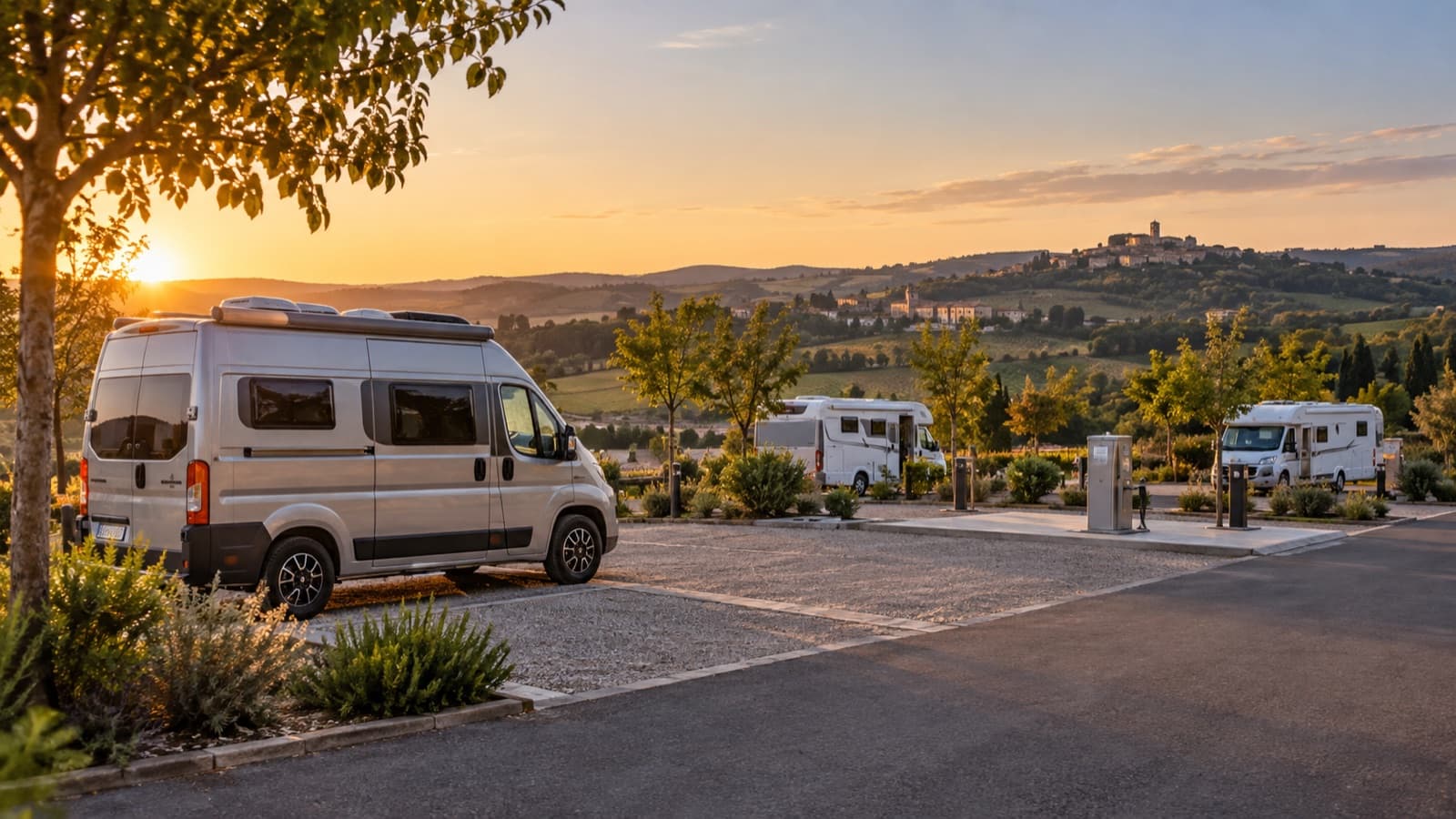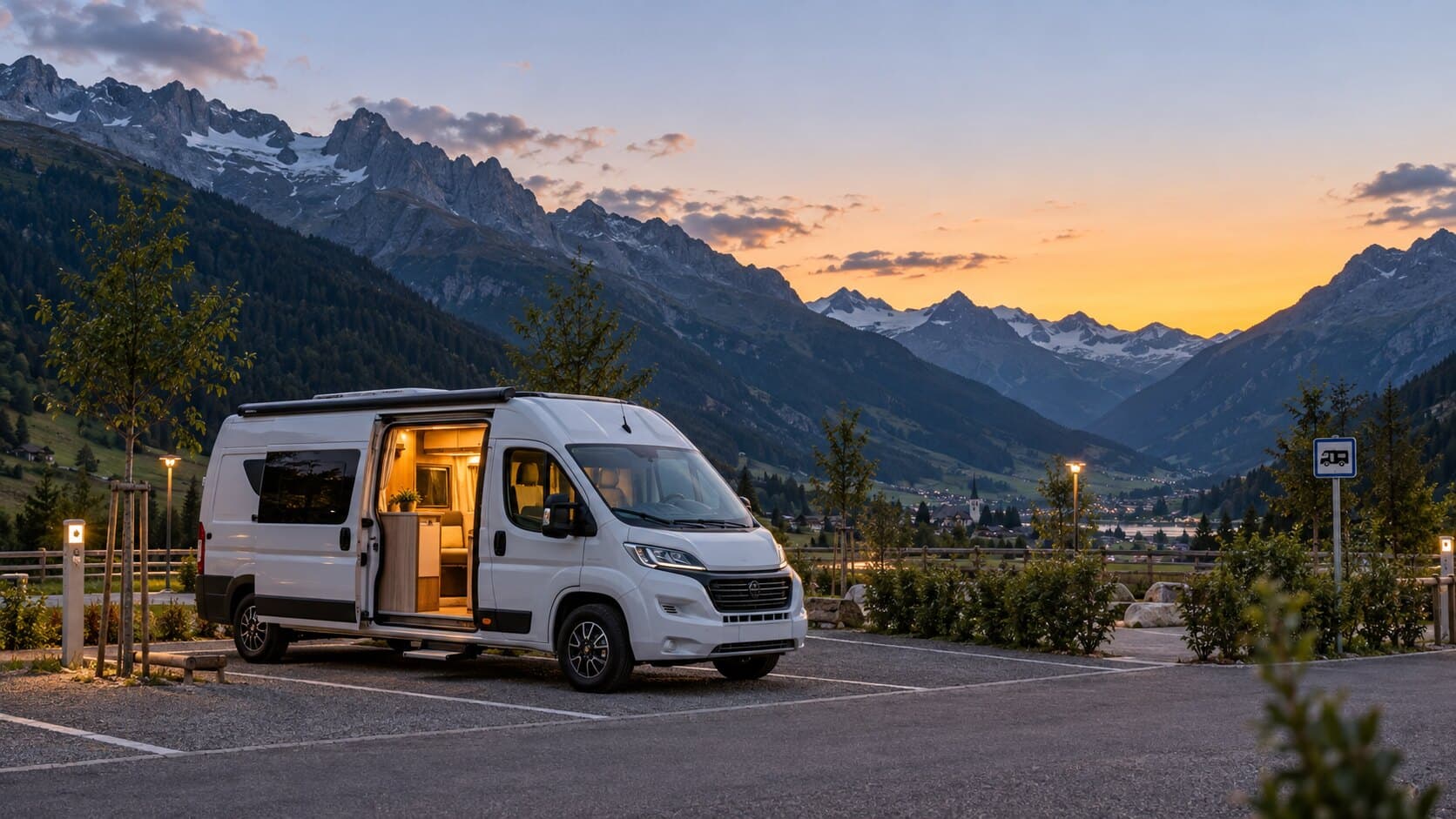
Can You Park Overnight in Switzerland and Austria with a Campervan?
Switzerland and Austria are two of the most tempting countries in Europe for a campervan trip. The mountain roads are spectacular, the distances are manageable, and a simple overnight stop can put you close to lakes, passes, villages and trailheads.
They are also two countries where you should not improvise overnight parking. The short answer is: sometimes you can park overnight in a campervan or motorhome, but you need to separate ordinary parking from camping, and you need to check the local rule for the exact place where you want to stop.
Neither country is a simple "park anywhere" destination. Switzerland has rules that can change by canton, municipality, protected area and landowner. Austria has federal-state and local rules, with stricter controls in many nature and mountain areas. In both countries, signs on the ground matter more than what worked for someone else last summer.
This guide gives you the practical version: what is usually safer, what needs checking, and how to plan an Alpine route without turning every evening into a legal puzzle.
Parking overnight is not always the same as camping
The first distinction is behaviour. In many places, stopping a vehicle in a legal parking space is treated differently from setting up camp.
A simple overnight stop usually means:
- the vehicle is parked inside a marked or permitted space
- nothing is placed outside the vehicle
- no awning, table, chairs, levelling blocks or barbecue are used
- no waste water is released
- no noise or campsite-style behaviour disturbs the area
- you leave early and keep the place cleaner than you found it
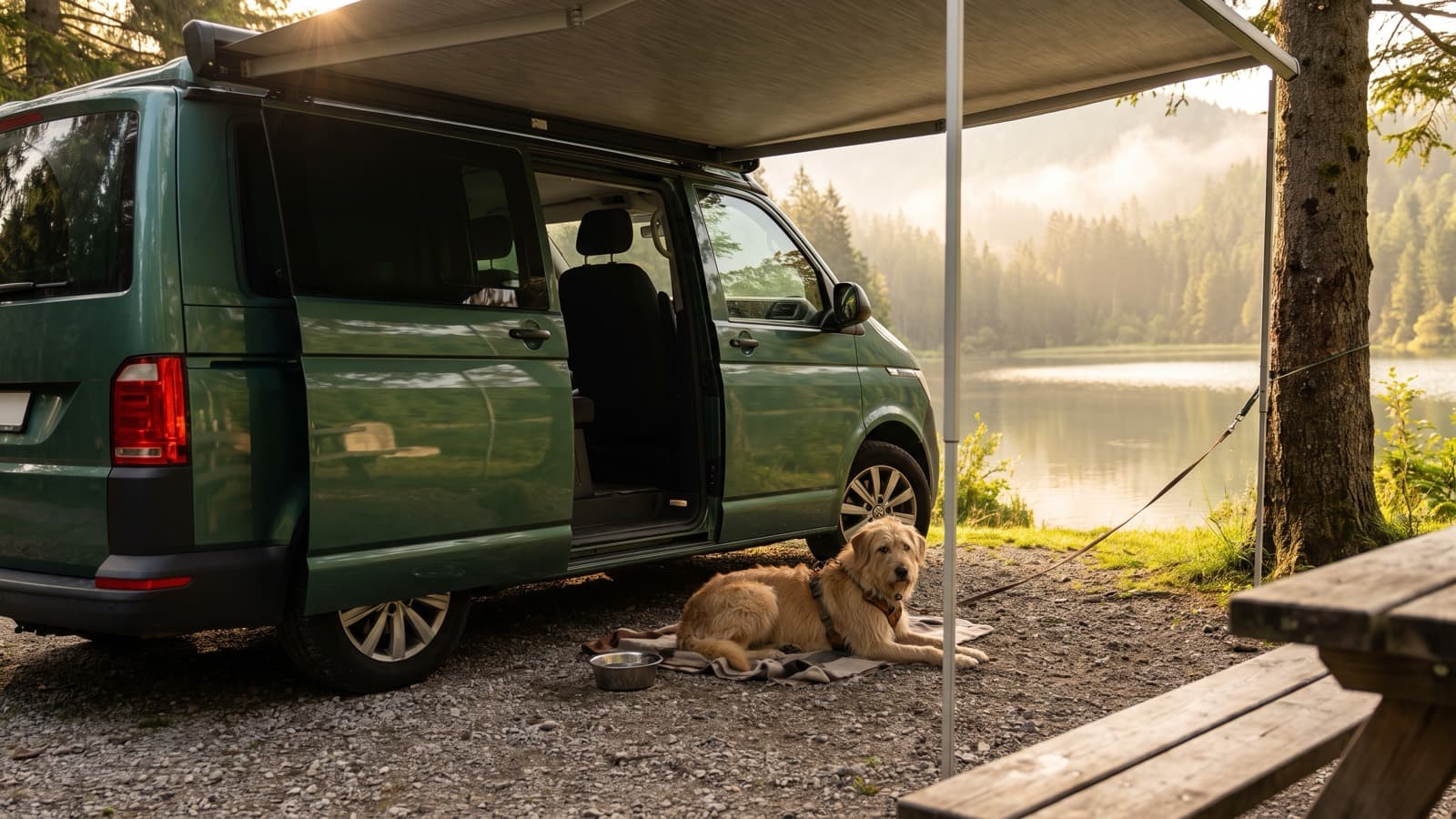
Camping behaviour is different. Once you put equipment outside, cook outdoors, open an awning, stay multiple nights, use protected land casually or turn a car park into a campsite, you are much more likely to break local rules even if the vehicle itself is legally parked.
That distinction does not make overnight sleeping automatically legal. It simply explains why some places tolerate a quiet one-night stop while others prohibit it clearly. For the wider picture, read our guide to wild camping laws in Europe before crossing borders.
Switzerland: local rules matter
Switzerland does not have one easy nationwide rule that covers every campervan overnight stop. Local regulation is important. Cantons and municipalities can set their own restrictions, and private land always needs permission from the owner.
The safest approach in Switzerland is to assume that informal overnight parking needs a local check unless you are using a campsite, official motorhome area, signed overnight parking place or a host location that explicitly allows overnight stays.
Be especially careful with:
- nature reserves and wildlife protection zones
- the Swiss National Park and other protected landscapes
- lake shores with local parking restrictions
- mountain passes where signs prohibit overnight stays
- small village car parks intended for daytime use
- private land, farms and forest roads
Some Swiss municipalities tolerate a discreet one-night stop in certain car parks, while others ban overnight sleeping in vehicles or restrict it by season. If there is no clear permission, check the municipality, local tourist office, parking machine notes, posted signs or the official place listing before relying on it.
Austria: check the federal state and the local signs
Austria is also not a single-rule country for campervan overnight parking. Camping and overnight stays outside official campsites are affected by federal-state rules, local bylaws, nature protection rules and the exact type of land.
That means a place that looks fine in one Austrian region may be restricted in another. Alpine areas, lakeside car parks, forests, protected areas and popular tourist municipalities can be especially strict.
For Austria, the safer planning pattern is:
- use campsites, stellplaetze, official motorhome areas or host locations when you need certainty
- treat roadside lay-bys and scenic car parks as daytime stops unless overnight parking is clearly allowed
- check federal-state or municipal rules before informal stops
- never assume that a quiet mountain car park allows camping behaviour
- avoid nature reserves, national parks, forest roads and lakeshores unless the overnight rule is explicit
Some travellers talk about sleeping in a vehicle at rest areas to recover from driving fatigue. That should not be treated as permission for a holiday overnight stay, and it should not involve camping equipment outside the vehicle. If you need to sleep for safety, keep it short, simple and respectful, then move to a proper overnight place.
The places that are usually easiest to use
When travelling through Switzerland and Austria, the least stressful overnight options are the ones that make permission obvious.
Campsites
Campsites are the simplest legal choice, especially near lakes, ski areas, national parks and famous valleys. They are also useful when you need showers, electricity, laundry, grey-water disposal or a slower rest day.
The trade-off is that Alpine campsites can be expensive and seasonal. In summer, winter-sports towns and popular lakeside areas may need booking ahead. Outside peak season, some campsites reduce services or close completely.
Official motorhome areas and stellplaetze
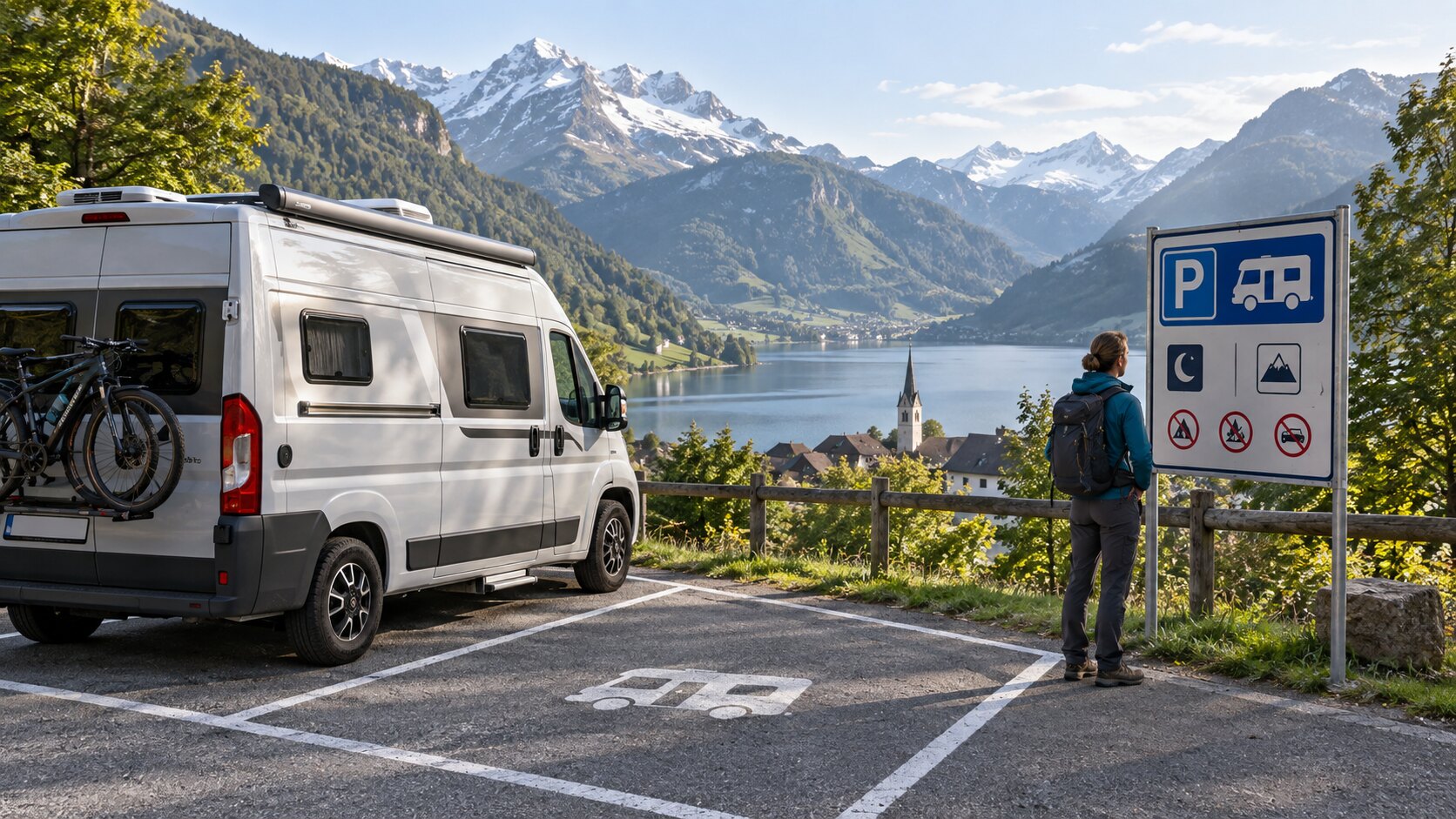
Official motorhome areas are often better for a one-night route stop. They may be in or near towns, cable-car car parks, swimming pools, service stations, farms or tourism facilities. Some are paid, some are free, and many have limits such as one night, 24 hours or no camping behaviour.
Always read the local sign. "Motorhomes allowed" does not always mean chairs, awnings or multi-night stays are allowed.
Host stays and private land with permission
Farm, winery, restaurant and local-producer stopover networks can be a good fit in both countries, especially when you want a quieter alternative to a campsite. The key is explicit permission: the host's listing or direct confirmation should say whether overnight stays are allowed, what vehicle size is accepted, whether booking is needed and whether services are available.
Service stations and motorway rest areas
Rest areas are useful for breaks, meals and driver safety. They are not a substitute for a campsite. If you stop because you are tired, keep it short and avoid any camping setup. For planned overnight stays, use a designated overnight place instead.
How to avoid fines and awkward situations
Most problems start when a spot "looks fine" but the rule was never checked. Before deciding to sleep somewhere, run through this quick checklist.
- Is overnight parking explicitly allowed here?
- Is the place outside protected nature, wildlife, forest or national park restrictions?
- Is the land public, private, or managed by a business?
- Are there signs limiting hours, vehicle type, height, season or camping behaviour?
- Are you fully inside a marked parking bay?
- Can you stay without putting anything outside the van?
- Is there a legal place nearby with clearer permission if this one feels uncertain?
If the answer is unclear, choose the clearer place. In Switzerland and Austria, paying for a permitted stop is usually cheaper than a fine, a late-night knock on the window or a bad interaction with locals.
Plan Alpine nights before you enter the valley
Mountain travel makes overnight planning harder because options can narrow quickly. A valley might have several obvious choices on the map, but one is full, one is seasonal, one has a height barrier and one only accepts smaller vans.
Before driving into a popular Alpine area, shortlist two or three possible overnight stops. Include at least one conservative fallback such as a campsite, official motorhome area or town stop with recent reviews.
Campernight can help here because you can compare nearby camper-friendly places, check services and reviews, and save fallback options before the evening rush. That is especially useful in Switzerland and Austria, where the "almost there" mountain car park may not be a legal overnight option. Our guide to finding overnight parking with Campernight gives a simple planning workflow.
What to do when a spot is full
Do not let a full stop push you into a risky place. In busy Alpine regions, the best backup is usually a less scenic but clearer option:
- a campsite outside the main resort town
- an official motorhome area in the next valley
- a paid town car park that explicitly permits motorhomes overnight
- a host stay with confirmed availability
- a service area for a short safety rest, followed by a proper stop the next day
Avoid copying other vans without checking. A row of campervans in a car park might mean the place is allowed, but it might also mean everyone is taking the same risk. If your route is focused on passes and cooler nights, save more than one legal overnight option before you drive into a narrow valley.
Responsible overnight habits
Good behaviour does not override local law, but it does reduce friction and helps keep places available for future travellers.
Keep the stop small and quiet. Do not block views, bins, farm gates, trailheads, access roads or public facilities. Arrive at a reasonable hour, avoid generators, manage lights, keep pets controlled and never leave waste behind.
If a resident, landowner or local authority asks you to move, move politely. Do not argue from an app listing or a social media post. Local signs and local authority decisions come first.
Quick answer
Can you park overnight in Switzerland and Austria with a campervan? Yes, but only in the right places and under the right local rules.
For Switzerland, check canton, municipality, protected-area rules, signs and private permission. For Austria, check the federal state, municipality, nature restrictions and posted signs. In both countries, use campsites, official motorhome areas, stellplaetze or host stays when you want certainty.
The best Alpine campervan trips are not the ones where you guess the rules at sunset. They are the ones where you plan a scenic route, save a few legal overnight options, and keep the informal stops for places where permission is actually clear.
Planning an Alpine campervan route? Use Campernight to compare reviewed camper-friendly places, check useful services and save legal overnight backups before you reach the mountains.