Portugal-Kuestenroute mit dem Camper: von Lissabon an die Algarve in 7-10 Tagen
Portugal ist fuer Camperreisen fast unfair gut: Atlantikklippen, Surfstaedte, Fischerorte, warme Abende und so viel Abwechslung, dass eine kurze Kuestenroute viel groesser wirkt, als die Distanz vermuten laesst.
Aber eine Portugal-Kuestenroute mit dem Camper braucht etwas, das viele Routenvorschlaege auslassen: einen realistischen Plan fuer die Nacht. Der schoenste Strandblick ist nicht immer der beste Schlafplatz, besonders im Sommer, in der Naehe geschuetzter Duenen, rund um beliebte Surforte oder an Orten mit klaren lokalen Einschränkungen.
Diese Route ist fuer eine 7-10-taegige Reise von Lissabon an die Algarve gedacht, mit genug Flexibilitaet, um langsamer zu reisen, einen ueberfuellten Stopp auszulassen oder Alternativen im Inland einzuplanen, wenn die Kueste voll ist. Nutze Campernight vor jedem Fahrtag, um Uebernachtungsoptionen zu vergleichen, deinen Favoriten zu speichern und mindestens eine Ausweichmoeglichkeit parat zu haben, bevor du spaet ankommst.
Schneller Routenueberblick
- Start: Lissabon oder Cascais
- Ziel: Faro, Tavira oder eine Rueckrunde nach Lissabon
- Ideale Dauer: 7-10 Tage
- Beste Reisezeit: April-Juni oder September-Oktober fuer leichteres Parken; Juli-August fuer Strandwetter, aber mit mehr Andrang
- Routenstil: Atlantikkueste, Surfstaedte, Klippen, Straende, kleine Orte und optionale Naechte im Inland
- Planungsregel: zuerst den Uebernachtungsplatz waehlen, dann die Besichtigungen darum herum planen
Vor der Abfahrt: Grundlagen zum Uebernachten in Portugal
Portugal ist in vieler Hinsicht camperfreundlich, aber kein Freifahrtschein. Regeln und Durchsetzung koennen je nach Gemeinde, Saison, Schutzgebiet und genauem Parkplatz variieren. Behandle App-Eintraege und Online-Kommentare als Planungshilfe, nicht als Genehmigung.
Der sicherste Ansatz ist einfach: bevorzuge offizielle Campingplaetze, Wohnmobil-Serviceplaetze, private Camperstops oder klar erlaubte Parkflaechen. Vermeide Campingverhalten auf normalen Parkplaetzen: keine Stuehle, Markisen, Tische, Aussenkueche, Keile oder mehrere Naechte, ausser der Ort erlaubt es ausdruecklich.
Sei besonders vorsichtig in der Naehe von Straenden, Klippen, Duenen, Naturparks und Surf-Hotspots. Das sind oft genau die Orte, an denen Reisende am liebsten schlafen wuerden, und auch die Orte mit den wahrscheinlichsten Beschraenkungen. Wenn Schilder Uebernachten, Camping oder Wohnmobile verbieten, fahre weiter.
Fuer einen entspannteren Ablauf lies vor der Kueste So findest du Uebernachtungsplaetze mit Campernight. Wenn du zuerst die landesspezifischen Regeln und Gewohnheiten verstehen willst, lies Wo darf man in Portugal mit dem Camper uebernachten?, bevor du Stopps auswaehlst. Speichere einen realistischen Platz, eine nahe Alternative und eine Option im Inland, falls die Strandzone voll oder eingeschraenkt ist.
Tag 1: Lissabon, Cascais oder die Kueste von Sintra
Starte rund um Lissabon, wenn du einfliegst, einen Van mietest oder aus Zentralportugal kommst. Hetze am ersten Tag nicht direkt nach Sueden. Die Gegend um Lissabon, Cascais und Sintra gibt dir einen starken ersten Eindruck von Portugals Atlantikkueste, ohne gleich eine lange Fahrt zu erzwingen.
Verbringe den Tag in Lissabon, an der Kueste von Cascais oder im Naturpark Sintra-Cascais. Wenn du mit einem groesseren Wohnmobil unterwegs bist, plane das Parken sorgfaeltig und vermeide spontane Fahrten in enge Altstadtbereiche.
Fuer die erste Nacht ist Komfort wichtiger als Drama. Ein richtiger Campingplatz oder Wohnmobilstellplatz bei Lissabon oder Cascais ist ein besserer Start als ein Klippen-Sonnenuntergang mit unklaren Regeln. Du kannst tagsueber die Kueste geniessen und nachts unkompliziert schlafen.
Tag 2: Ericeira und Mafra
Fahre nach Norden oder Nordwesten nach Ericeira, einem der klassischen Surforte Portugals. Der Ort hat genau die Mischung, die Portugal mit dem Camper so gut macht: Wellen, Cafes, Meerblick und ein kompaktes Zentrum zum langsamen Herumspazieren.
Ericeira ist beliebt, also gehe nicht davon aus, dass jeder Parkplatz am Strand eine gute Uebernachtungsoption ist. Nutze den Tag fuer Surfstraende und Aussichtspunkte und pruefe deinen Nachtplan vor dem spaeten Nachmittag. Wenn die Kueste voll wirkt, suche etwas im Inland, statt einen fragwuerdigen Strandparkplatz zu erzwingen.
Mafra ist ein sinnvoller kultureller Abstecher, wenn du eine Pause von der Kueste willst. Palast und Ort runden den Tag ab, und Optionen im Inland koennen ruhiger sein als Parkplaetze direkt am Strand.
Tag 3: Peniche, Baleal und Obidos
Peniche und Baleal sind naheliegende Stopps auf einer Portugal-Strandroute mit dem Camper. Die Kueste ist gemacht fuer Surfchecks, Strandspaziergaenge und langsame Mahlzeiten nach einem windigen Tag draussen.
Genau hier zaehlt Planung. Surfstaedte ziehen Vans an, und der Unterschied zwischen Parken fuer eine Strandsession und Schlafen ueber Nacht kann wichtig sein. Achte auf Schilder, respektiere Anwohner und richte dich nicht wie auf einem Campingplatz auf normalen Parkflaechen ein.
Wenn du Abwechslung willst, fuege Obidos als Inlandstopp hinzu. Der mittelalterliche Ort ist touristisch, aber schoen, und er zeigt ein gutes Routenmuster: tagsueber Kueste, nachts Inland oder offizieller Platz, wenn die Strandbereiche angespannt sind.
Tag 4: Nazare oder Sao Martinho do Porto
Nazare ist fuer riesige Winterwellen beruehmt, lohnt sich aber auch ausserhalb der Big-Wave-Saison. Der Ort, die Aussichtspunkte und die Energie des Ozeans machen ihn zu einem einpraegsamen Stopp.
Im Sommer musst du mit mehr Menschen und weniger Geduld fuer chaotisches Camperverhalten rechnen. Halte den Besuch leicht: parke dort, wo es erlaubt ist, laufe zu den Aussichtspunkten, geniesse Strand oder Ort und waehle dann eine Uebernachtungsoption, die klar fuer Camper geeignet ist.
Sao Martinho do Porto ist eine ruhigere Alternative, wenn du eine sanftere Buchtatmosphaere willst. Es kann auch als Pausentag funktionieren, wenn die vorherigen Surforte zu voll waren.
Tag 5: Comporta, Troia und die Alentejo-Kueste
Suedlich von Lissabon aendert die Route ihre Stimmung. Troia und Comporta bringen breite Straende, Pinienwaelder, Reisfelder und ein groesseres Raumgefuehl als die Surfstaedte noerdlich von Lissabon.
Diese Gegend kann wunderschoen sein, ist aber stellenweise sensibel. Duenen, geschuetzte Landschaften, private Zufahrten und saisonale Einschraenkungen sind nicht selten. Bleibe auf geeigneten Strassen und markierten Parkflaechen und verstehe ruhige Sandwege nicht als Einladung.
Wenn du Zeit hast, ist das ein guter Ort zum Verlangsamen. Verbringe den Tag an der Kueste und nutze Campernight, um offizielle oder gut bewertete Uebernachtungsplaetze in der Naehe zu vergleichen, statt bis Sonnenuntergang zu warten.
Tag 6: Vila Nova de Milfontes und Porto Covo
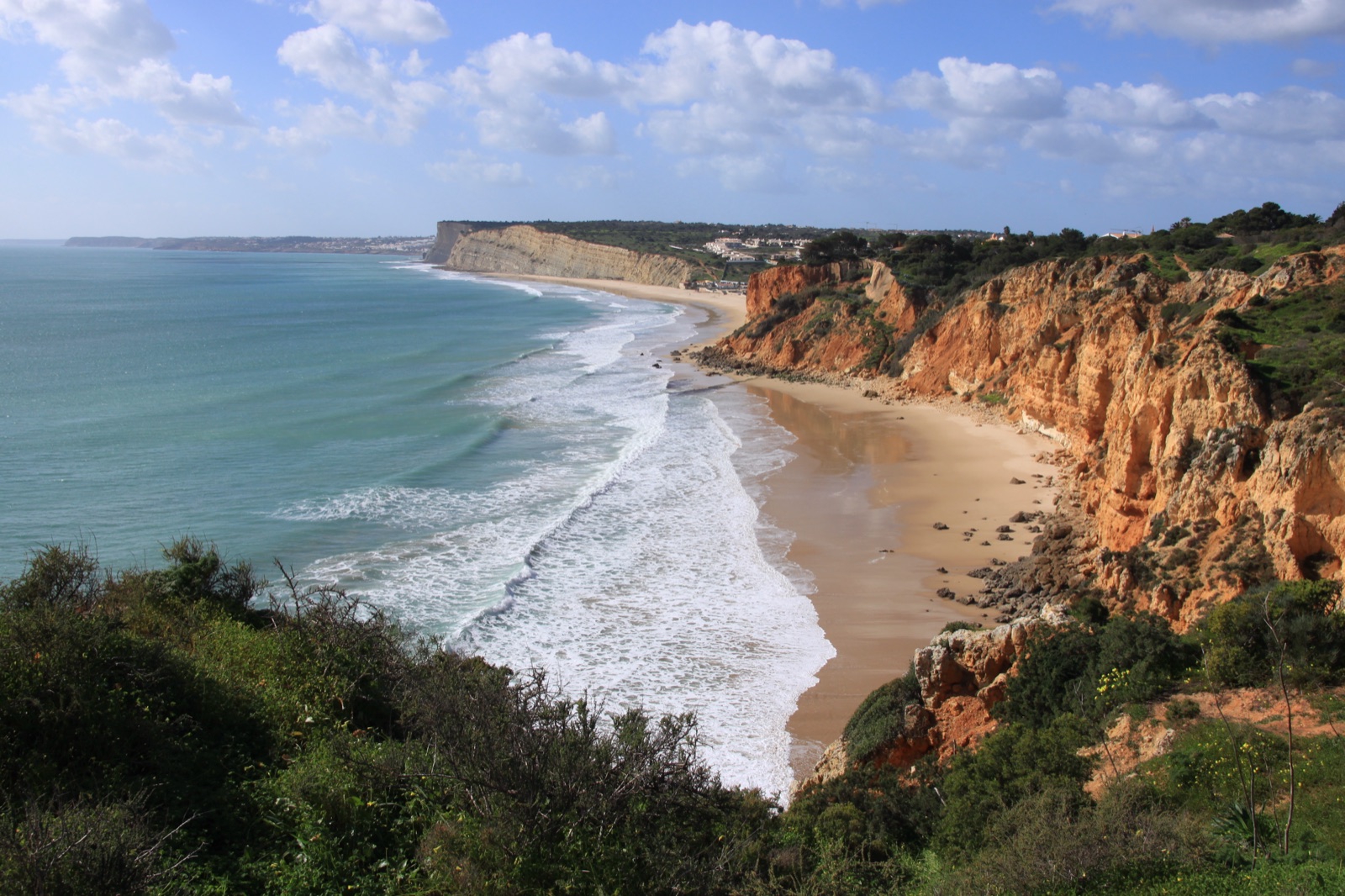
Die Alentejo-Kueste ist einer der staerksten Teile dieser Route. Vila Nova de Milfontes, Porto Covo und die umliegende Kueste bieten Klippen, Straende, weisse Strassen und ein langsameres Tempo.
Das ist ein guter Tag zum Gehen statt zum Fahren. Waehle einen Ort, einen Strand und einen Aussichtspunkt, statt alles abzuhaken. Die Strassen sind nicht schwierig, aber das Beste an der Alentejo-Kueste liegt im Raum zwischen den Stopps.
Plane die Nacht in der Naehe von Klippen und Straenden konservativ. Wenn ein Platz fragil, voll oder unklar wirkt, waehle einen Campingplatz, Serviceplatz oder eine Inlandoption. Die Route ist besser, wenn du dir keine Sorgen machst, weggeschickt zu werden.
Tag 7: Odeceixe und Aljezur
Odeceixe ist einer der schoensten Kuestenstopps Portugals, mit einem Fluss, der auf den Ozean trifft, und einem Dorf, das perfekt fuer einen Campertag liegt. Aljezur bringt Burgblicke, Surfstraende und einfachen Zugang Richtung Algarve.
Das ist der natuerliche Punkt, um zu entscheiden, ob deine Reise eine 7-Tage-Route oder eine langsamere 10-Tage-Version wird. Wenn du nur eine Woche hast, fahre weiter nach Lagos oder Faro. Wenn du mehr Zeit hast, bleibe eine weitere Nacht rund um Aljezur oder in der westlichen Algarve und vermeide Hektik auf dem letzten Abschnitt.
Weil diese Gegenden bei Vans beliebt sind, komme frueh an und habe Alternativen. Eine gute Regel: Entscheide deinen Uebernachtungsplatz vor dem letzten Strandstopp des Tages, nicht danach.
Tage 8-10: Sagres, Lagos und die Algarve
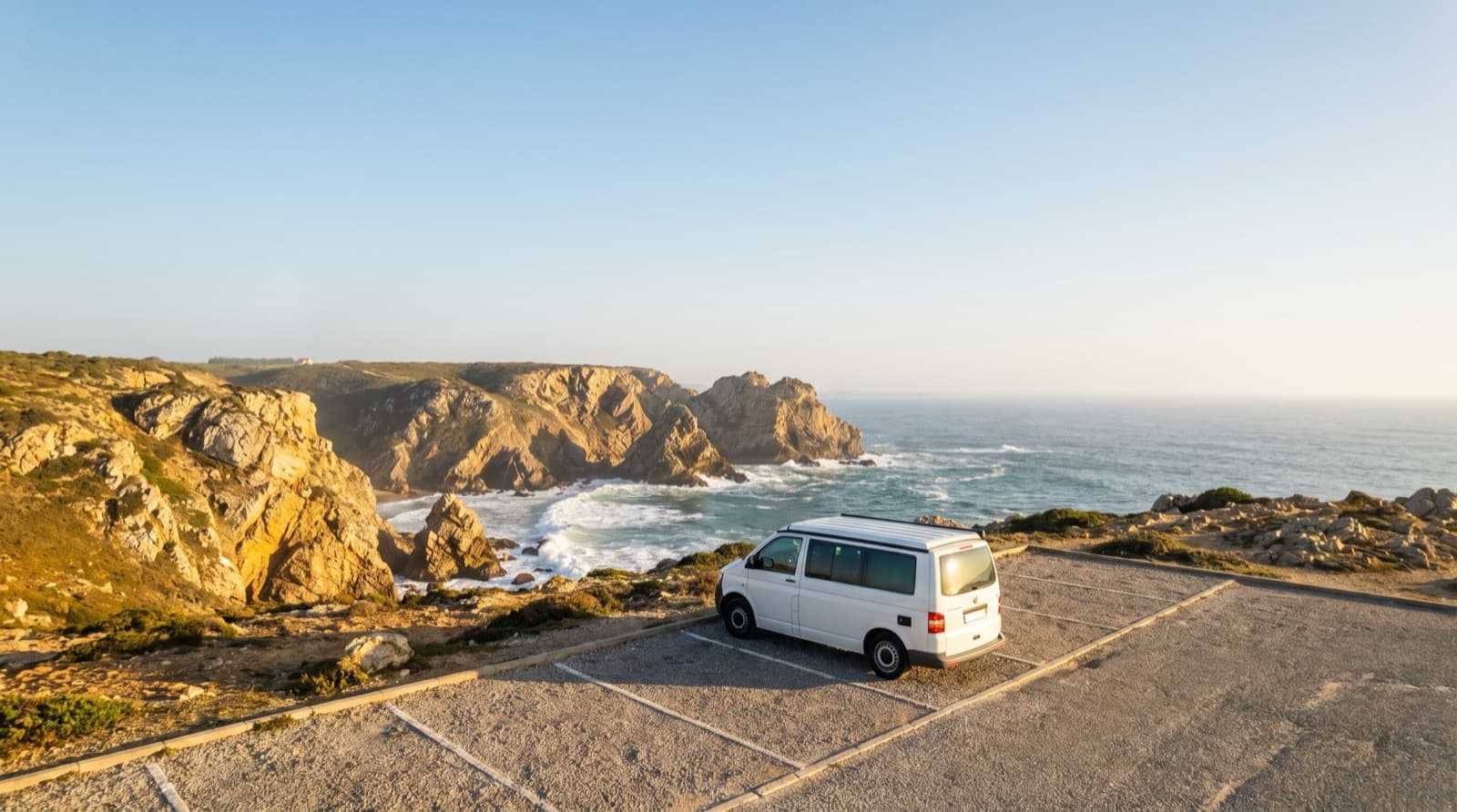
Die Algarve ist das offensichtliche Finale: Klippen von Sagres, Cabo de Sao Vicente, Lagos, Ponta da Piedade, Meereshöhlen, warme Abende und einige der meistfotografierten Kuesten Portugals.
Sie ist auch der Teil der Route, bei dem du bei Uebernachtungserwartungen am vorsichtigsten sein solltest. In der Hochsaison fuellen sich Kuestenparkplaetze schnell, Einschraenkungen koennen strenger sein, und die schoensten Orte sind selten die einfachsten legalen Schlafplaetze.
Nutze Sagres und Lagos fuer Tagesausfluege und waehle danach Uebernachtungsplaetze mit Services, klaren Regeln und aktuellen Bewertungen. Wenn du ein ruhigeres Ende willst, fahre weiter Richtung Tavira oder kombiniere Kueste mit Inlanddoerfern, statt nur in den vollsten Strandzonen zu bleiben.
Einfache 7-Tage-Version
- Tag 1: Lissabon, Cascais oder Kueste von Sintra
- Tag 2: Ericeira
- Tag 3: Peniche und Obidos
- Tag 4: Nazare oder Sao Martinho do Porto
- Tag 5: Comporta oder Porto Covo
- Tag 6: Vila Nova de Milfontes, Odeceixe oder Aljezur
- Tag 7: Sagres, Lagos oder Faro
Bessere 10-Tage-Version
- Fuege einen langsamen Tag rund um Peniche, Baleal oder Obidos hinzu
- Fuege einen langsamen Tag an der Alentejo-Kueste hinzu
- Fuege einen Extratag in der westlichen Algarve hinzu, bevor du in Faro endest oder nach Norden zurueckfaehrst
Was du vor jedem Fahrtag in Campernight speichern solltest
Am einfachsten wird diese Reise, wenn du deine Uebernachtungsoptionen speicherst, bevor du sie brauchst. Speichere fuer jeden Tag drei Orte: den idealen Stopp, eine praktische Alternative und eine offizielle oder inlandnahe Ausweichoption.
Das gibt dir Spielraum, wenn ein Kuestenparkplatz voll ist, ein Schild geaendert wurde, Bewertungen gemischt wirken oder du einfach spaeter ankommst als geplant. Portugal belohnt flexible Reisende, aber Flexibilitaet funktioniert am besten, wenn du schon etwas vorbereitet hast.
Letzte Tipps fuer eine Portugal-Kuestenreise mit dem Camper
- Baue die Route nicht darum herum, direkt an Straenden zu schlafen; baue sie um legale, stressarme Optionen.
- Komme im Juli und August frueher an, als du denkst.
- Nutze Inlandalternativen, wenn Kuestenorte ueberlastet sind.
- Hebe Campingverhalten fuer Campingplaetze und Orte auf, die es klar erlauben.
- Nimm genug Wasser mit und gehe nicht davon aus, dass jeder Strandort einfache Servicepunkte hat.
- Respektiere Duenen, Klippen, Naturparks und private Wege.
- Pruefe aktuelle Bewertungen, aber vertraue vor Ort den lokalen Schildern.
Fazit
Eine Portugal-Kuestenroute mit dem Camper kann so einfach oder so stressig sein wie deine Uebernachtungsplanung. Die Route selbst ist simpel: Lissabon, Surfstaedte, Nazare, Alentejo, Odeceixe, Sagres und die Algarve. Die Kunst besteht darin, zu wissen, wo man langsamer wird, wann man einen ueberfuellten Strandstopp auslaesst und wie man bessere Optionen bereithaelt.
Nutze Campernight, um die Route zu planen, Ausweichplaetze zu speichern und jeden Fahrtag weniger improvisiert zu machen. Dann lass Portugal den Rest erledigen: Klippen, Surf, Meeresfruechte, goldenes Licht und diese Art von Roadtrip, bei der man immer weiter nach Sueden fahren moechte.