Costa Brava Campervan Route: A Practical 5-Day Coastal Road Trip
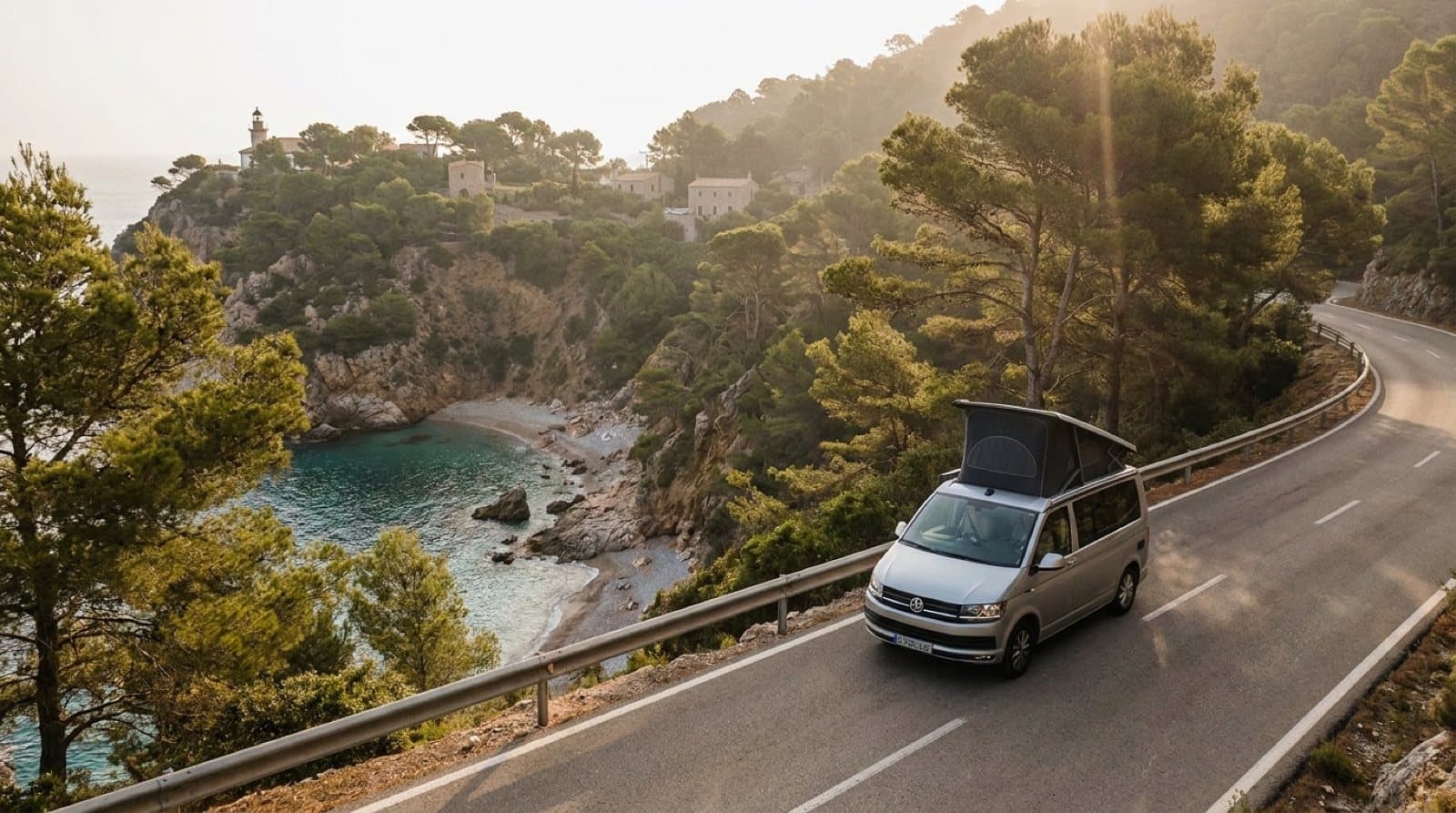
The Costa Brava is one of the easiest places in Spain to romanticise and one of the easiest places to underestimate in a campervan. The coastline is short on a map, but the best parts are full of winding roads, small coves, protected natural areas, steep village streets, summer traffic, and parking rules that can change from one municipality to the next.
That does not make it a bad campervan destination. It makes it a route that rewards planning.
This 5-day Costa Brava campervan route is built for a summer road trip with realistic driving, beautiful stops, and enough flexibility to avoid turning every evening into a search for somewhere legal to sleep. Use it as a base itinerary, then save your own overnight spots and fallbacks in Campernight before you go.
If you are comparing seasonal routes before choosing dates, our guide to the best spring campervan routes in Europe is a useful companion for quieter shoulder-season ideas.
Before you drive the Costa Brava by campervan
The Costa Brava runs along the northeastern coast of Catalonia, from the Blanes area up toward the French border. It is compact, but it is not a motorway-style trip. The best sections are slower: coastal bends, hilltop viewpoints, fishing villages, medieval towns, coves, and detours into natural parks.
A good campervan route here should follow three rules:
- Do not chase every beach. Many coves have limited parking, height barriers, narrow access roads, or summer restrictions.
- Separate visiting from sleeping. A beautiful beach car park is often not the right overnight plan, especially in peak season.
- Keep fallback stops nearby. In July and August, your first choice can be full, restricted, or noisy by the time you arrive.
Spain and Catalonia do not work as one simple “yes/no” wild camping rulebook. Parking, overnighting, and camping behaviour are often treated differently, and local signs, natural parks, beach zones, and municipal rules matter. As a safe baseline: avoid setting out chairs, tables, awnings, ramps, or anything that looks like camping unless the place clearly allows it. If in doubt, use a campsite, motorhome area, or a recently reviewed camper-friendly stop.
Route overview
Best for: first-time Costa Brava road trips, couples, friends, beach-and-village travel, summer planning.
Suggested length: 5 days, extendable to 7–10 days.
Start: Blanes, Girona, or Barcelona airport area.
Finish: Cadaqués / Cap de Creus area, or loop back through Girona.
Main stops: Blanes or Tossa de Mar, Sant Feliu de Guíxols, Palamós or Calella de Palafrugell, Begur and Pals, L’Estartit or Empúries, Cadaqués and Cap de Creus.
Best season: May, June, September, and early October are easier. July and August are beautiful but busier, hotter, and less forgiving for overnight improvisation.
Day 1: Blanes to Tossa de Mar
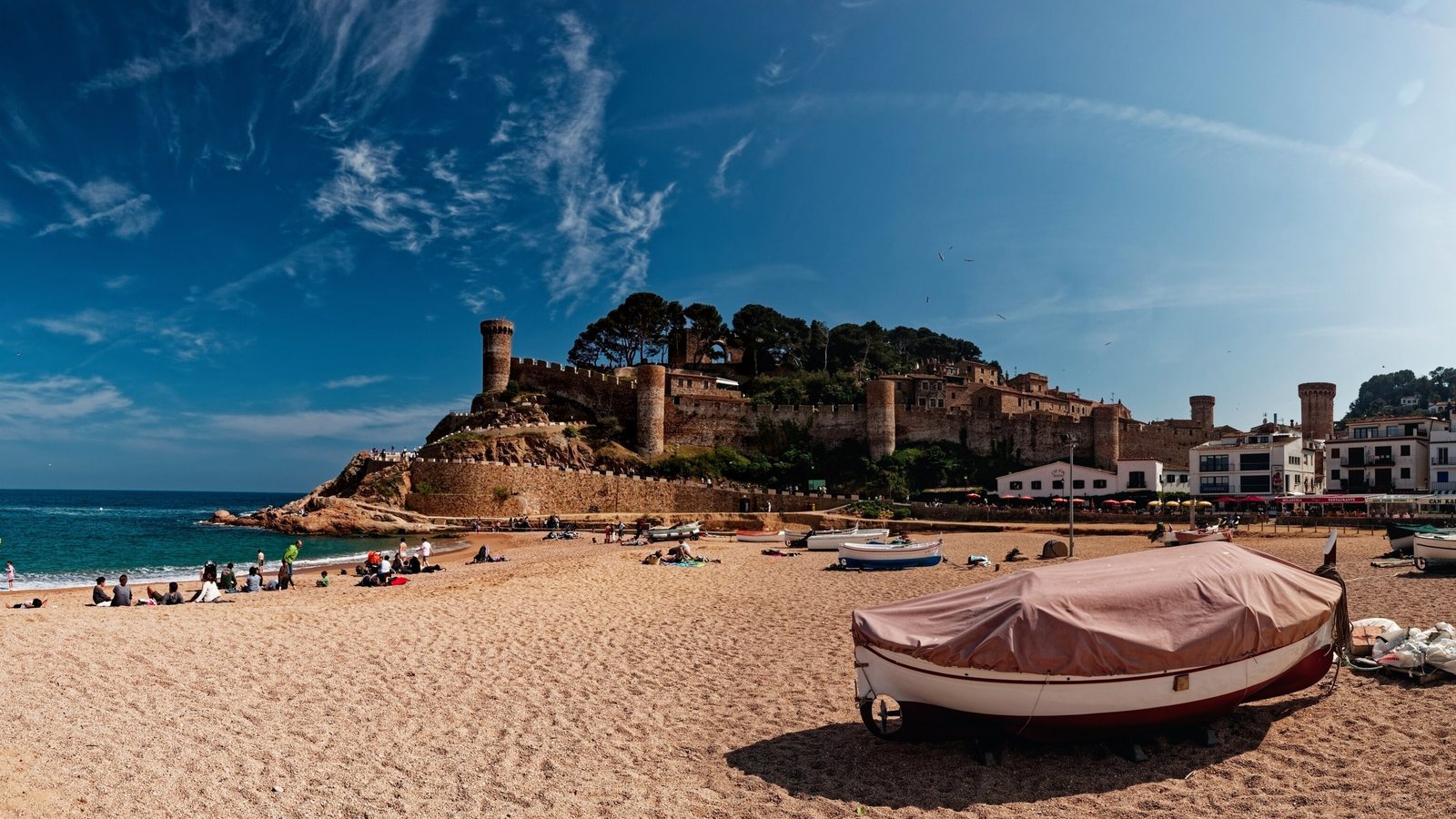
Start at the southern edge of the Costa Brava around Blanes, especially if you are coming from Barcelona. This gives you an easy first day instead of forcing a long transfer and a difficult first night.
Blanes works well as a practical reset point: groceries, fuel, beach time, and a gentle start. From there, drive north toward Lloret de Mar and Tossa de Mar. Tossa is the better emotional payoff: old walls, sea views, coves, restaurants, and that classic “yes, this is why we came” Costa Brava feeling.
The road between Lloret and Tossa is scenic but twisty. In a small campervan it is fun; in a larger motorhome it needs patience. Do not plan to arrive late and casually park near the old town in summer. Visit Tossa, walk the walls, swim if conditions are good, then sleep somewhere you have already checked.
Campervan tip: for the first night, prioritise a simple legal stop over the dreamiest view. The route gets easier when your first evening is calm.
Day 2: Tossa de Mar to Sant Feliu de Guíxols and S’Agaró
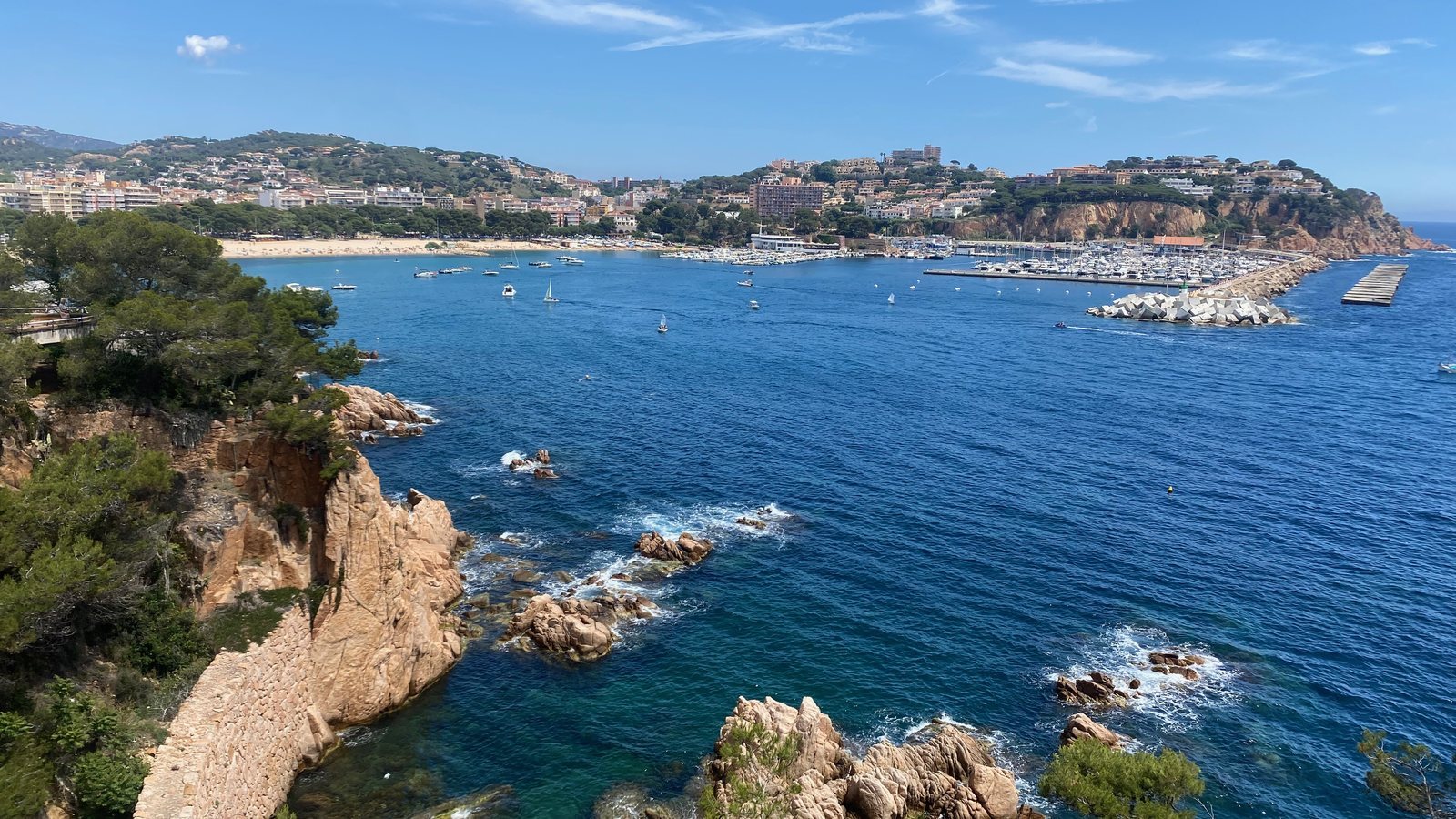
From Tossa, continue north toward Sant Feliu de Guíxols. This stretch gives you a mix of coastal road, viewpoints, and town stops without huge distances. Sant Feliu is a useful campervan anchor because it feels more practical than some of the smaller coves: services, food, walking routes, and access to nearby beaches.
If you want an easy scenic walk, look at the Camí de Ronda sections around S’Agaró and Sant Pol. The coastal path is one of the best ways to enjoy this part of the Costa Brava without trying to squeeze a van into every beach access road.
In peak summer, treat beach parking as daytime-only unless signs and local rules clearly say otherwise. Many coastal car parks are monitored, restricted, or simply too busy to be a good overnight choice.
Good rhythm for the day: drive early, swim or walk late morning, lunch in town, then move to your overnight plan before sunset.
Day 3: Palamós, Calella de Palafrugell, and Llafranc
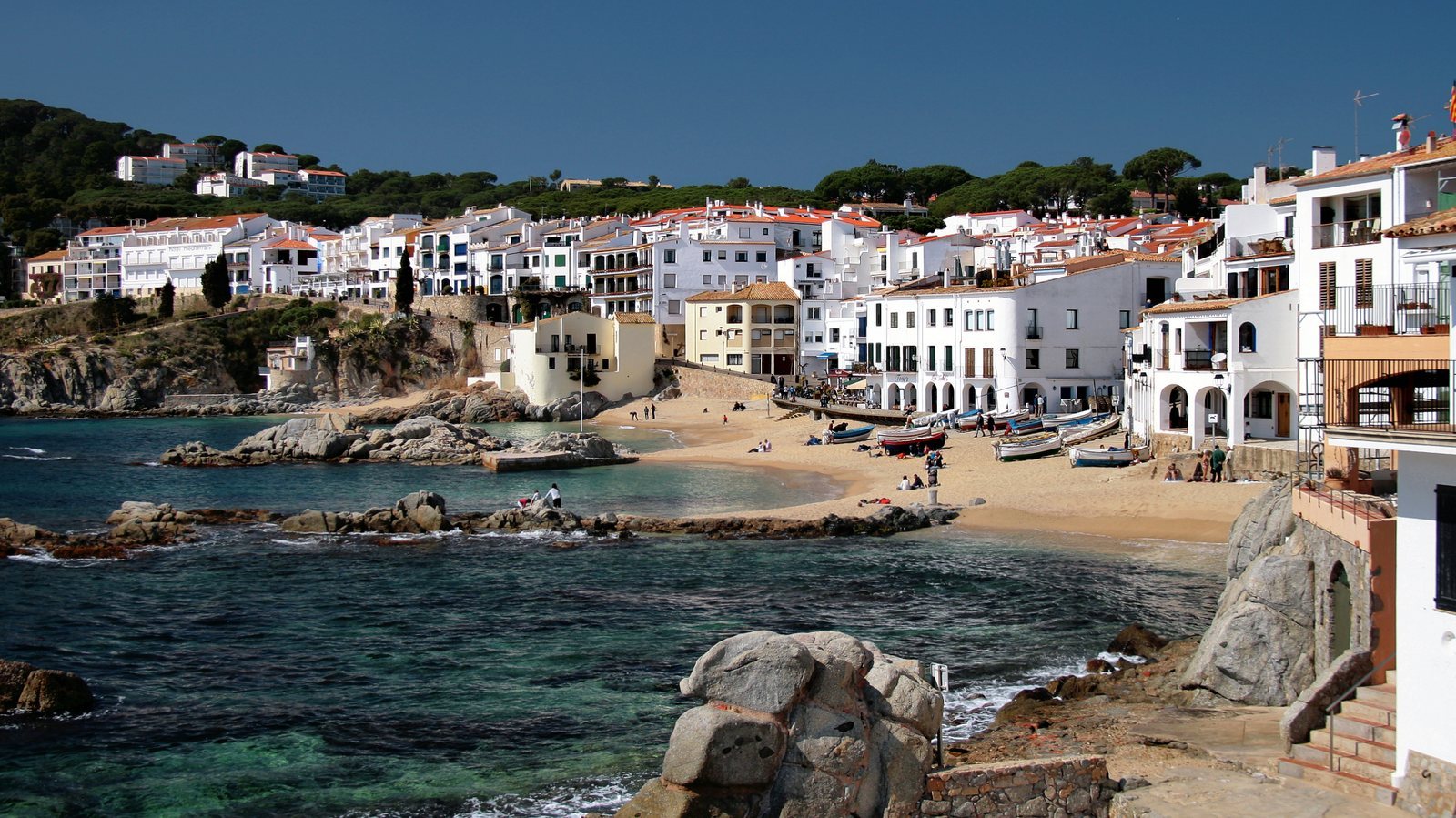
Day 3 is where the Costa Brava becomes dangerously tempting. Palamós, La Fosca, Calella de Palafrugell, Llafranc, and Tamariu are all close enough to look easy, but each can eat time through parking, walking, traffic, and “just one more cove” decisions.
Pick two main stops, not six. Palamós is good for food and a slightly more lived-in coastal feel. Calella de Palafrugell and Llafranc are postcard-pretty, with white buildings, boats, coves, and seaside walks. They are also busy in summer, so arrive early or accept that you may need to park outside and walk in.
This is a strong place to use Campernight before the day starts. Save a daytime parking option, a realistic overnight stop, and a backup away from the busiest waterfronts. The difference between a great Costa Brava evening and a stressful one is often whether you already know where Plan B is.
Day 4: Begur, Pals, and inland relief
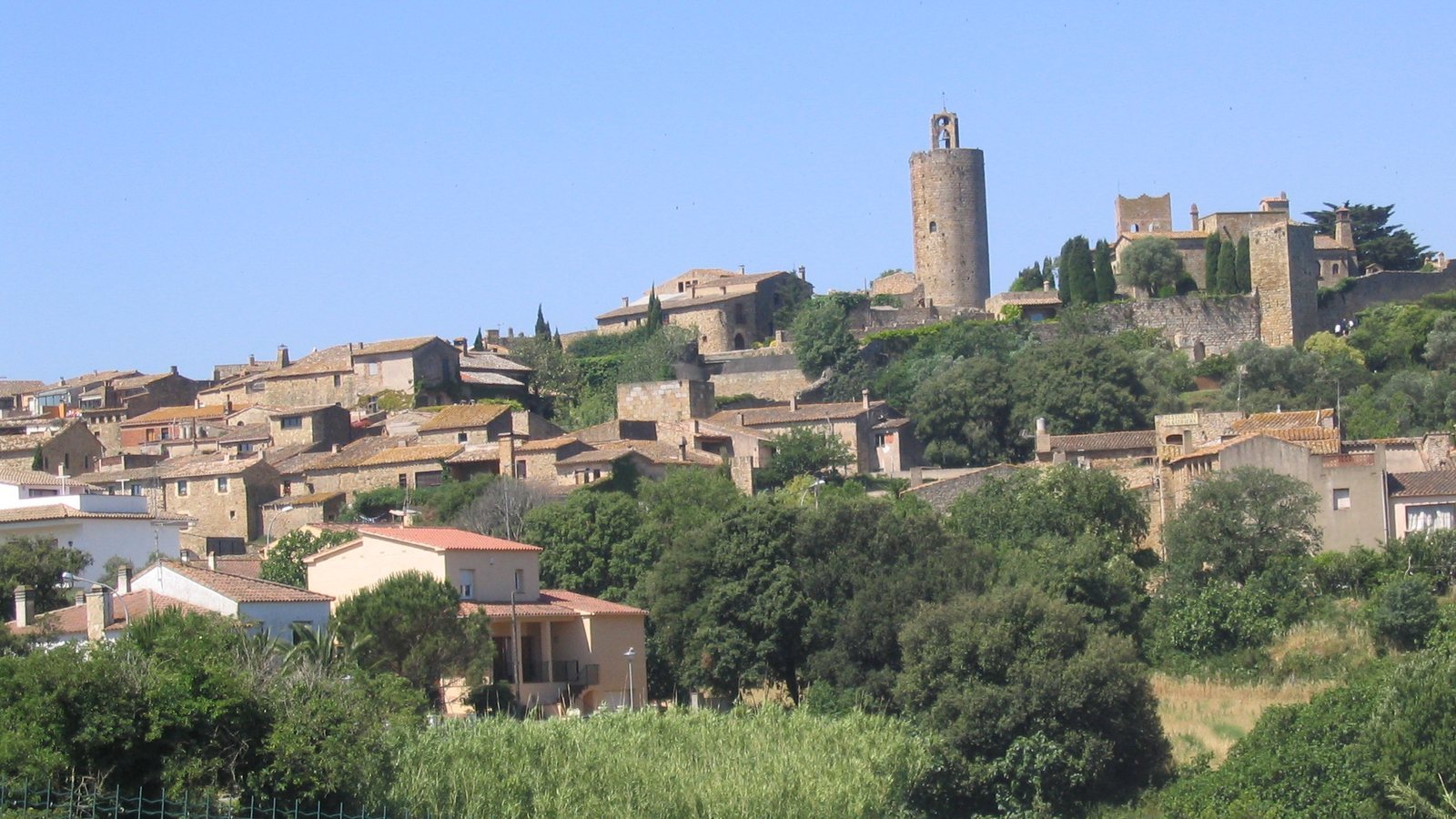
After a few days of coves and coastal villages, turn slightly inland. Begur is a great base for views and nearby beaches, but the village itself is not where you want to improvise with a large vehicle. Streets can be narrow, summer traffic builds quickly, and beach access roads around places like Sa Riera, Aiguablava, or Sa Tuna can be awkward when full.
The smarter campervan move is to visit selectively, then use inland stops for breathing room. Pals is an excellent contrast: medieval streets, stone buildings, rice fields nearby, and a slower pace than the beach villages. It also helps break the mental loop of chasing coves all day.
If the coast is packed or very hot, inland villages can save the day. You still need to check overnight rules and signs, but you are not competing with every beachgoer on the same few roads.
Decision rule: if a beach requires a steep narrow access road and you are not sure about parking, skip it or go early in a smaller vehicle. Costa Brava is better when you do not force it.
Day 5: L’Estartit, Empúries, Cadaqués, and Cap de Creus
For the final stretch, choose your intensity.
A gentler version goes through L’Estartit, the Medes Islands area, l’Escala, and Empúries. This gives you sea views, ruins, beaches, and easier spacing between stops. It is a good option if you want the route to stay relaxed or if you are travelling with children.
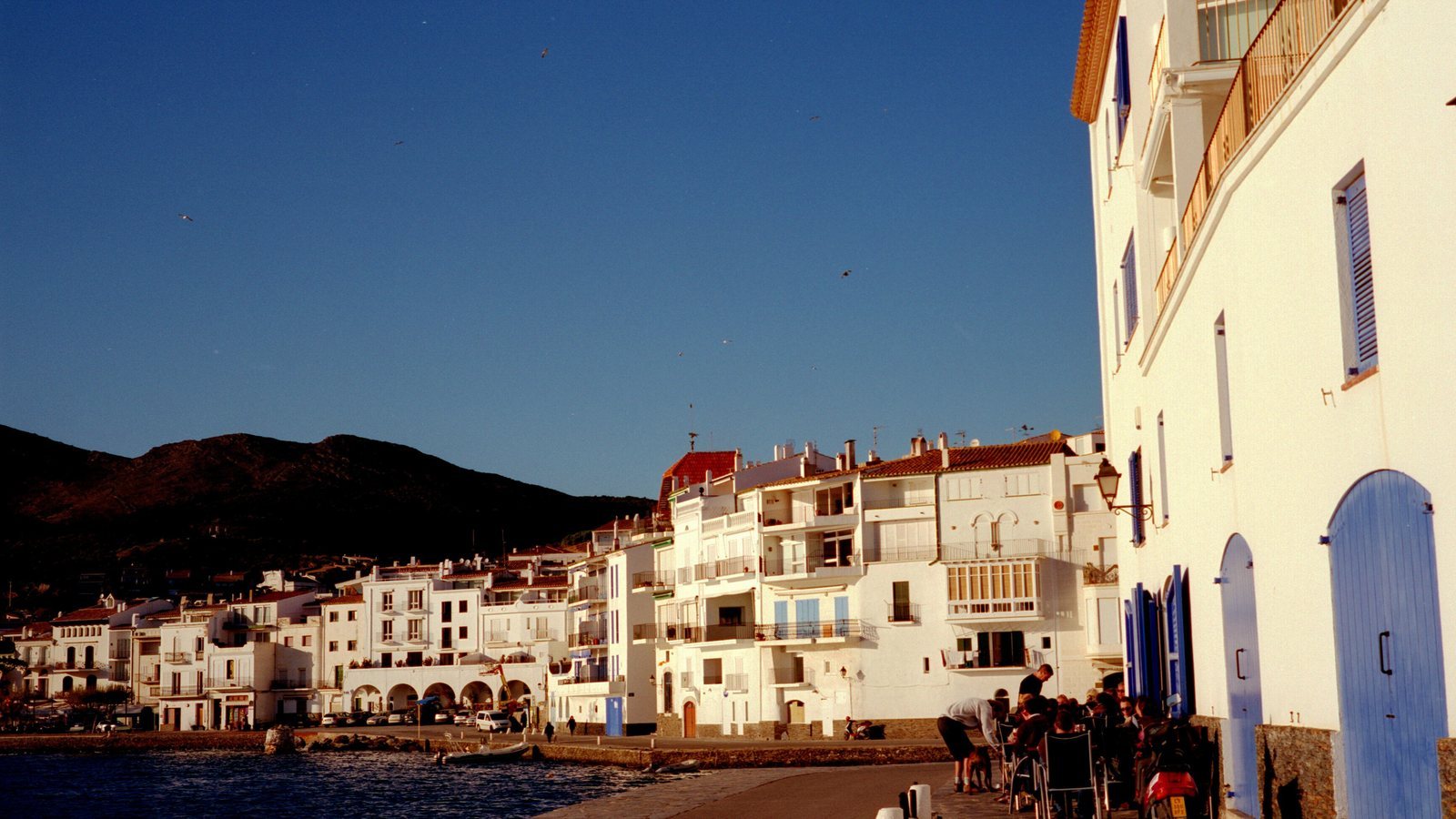
The more iconic version pushes north toward Cadaqués and Cap de Creus. Cadaqués is stunning, but it is also one of the least campervan-forgiving places on the route in high season. The access road is winding, parking is limited, and protected-area rules around Cap de Creus must be respected. Do not assume you can sleep inside or near the natural park just because the view is beautiful.
If Cadaqués is a must, go early, check vehicle restrictions and parking before committing, and keep an overnight plan outside the most constrained areas. Cap de Creus is worth the effort, but it is not a place to treat casually.
Where to stay overnight on the Costa Brava
The best overnight strategy is not “find the perfect hidden beach.” That is exactly where people get into trouble, especially in summer.
A safer Costa Brava approach is:
- Use campsites when you want beach access, showers, shade, or a reset day.
- Use official motorhome areas or camper-friendly stops for practical nights.
- Avoid natural parks, dunes, beaches, and signed restricted zones unless overnighting is clearly allowed.
- Read recent reviews, not just old ratings.
- Have a fallback 15–30 minutes inland when the coast is full.
- Keep your stop clean, quiet, and low-impact.
Campernight is useful here because planning campervan spots in Spain is rarely about finding one magical spot. It is about saving a small network of options: daytime parking, legal overnight stops, service points, and backups away from the pressure zones.
Suggested 5-day Costa Brava campervan itinerary
| Day | Route | Focus | Overnight strategy |
|---|---|---|---|
| 1 | Blanes → Tossa de Mar | First swim, old town, coastal road | Simple legal stop, campsite, or camper area |
| 2 | Tossa → Sant Feliu / S’Agaró | Camí de Ronda, practical coast | Avoid relying on beach car parks |
| 3 | Palamós → Calella / Llafranc | Fishing towns and postcard coves | Save backup away from waterfronts |
| 4 | Begur → Pals | Villages, views, inland relief | Consider inland fallback stops |
| 5 | L’Estartit / Empúries → Cadaqués / Cap de Creus | Final iconic landscapes | Check restrictions before driving in |
Practical summer tips
- Drive early. Morning is easier for parking, heat, and narrow access roads.
- Do not overbuild the itinerary. Two meaningful stops per day is enough.
- Check height barriers. Some beach or town car parks are not campervan-friendly.
- Respect protected areas. Cap de Creus, dunes, beaches, and natural spaces are not casual overnight zones.
- Separate parking from camping. If you set up outside the vehicle, you may be treated differently than if you are simply parked.
- Use campsites strategically. One campsite night can solve showers, laundry, shade, charging, and beach access.
- Keep an inland Plan B. It is often calmer, cheaper, and less restricted than the coast.
Final thought
The Costa Brava is brilliant by campervan when you treat it as a slow coastal route, not a parking challenge. The best memories will probably come from walking into a cove, eating near the water, finding a quiet inland village, or watching the light change over the cliffs — not from forcing the van into the closest possible beach space.
Plan the route in Campernight, save fallback overnight spots before each driving day, and stay flexible. The Costa Brava rewards travellers who leave room for the road to breathe.