Campervan Travel After School Holidays: Where Europe Gets Quieter
The school-holiday rush may be fading, but Europe does not suddenly become empty in September. What changes is the rhythm. Family-heavy campsites begin to settle down, famous beaches have more breathing room on weekdays, and you can often plan shorter-notice stops without building the whole trip around peak-season pressure.
That makes the weeks after the main summer holidays a useful window for a campervan trip. The light is softer, daytime temperatures can be more comfortable, and many destinations are still active enough for cafés, markets and outdoor days. The trade-off is that opening schedules become less predictable and autumn weather starts to matter.
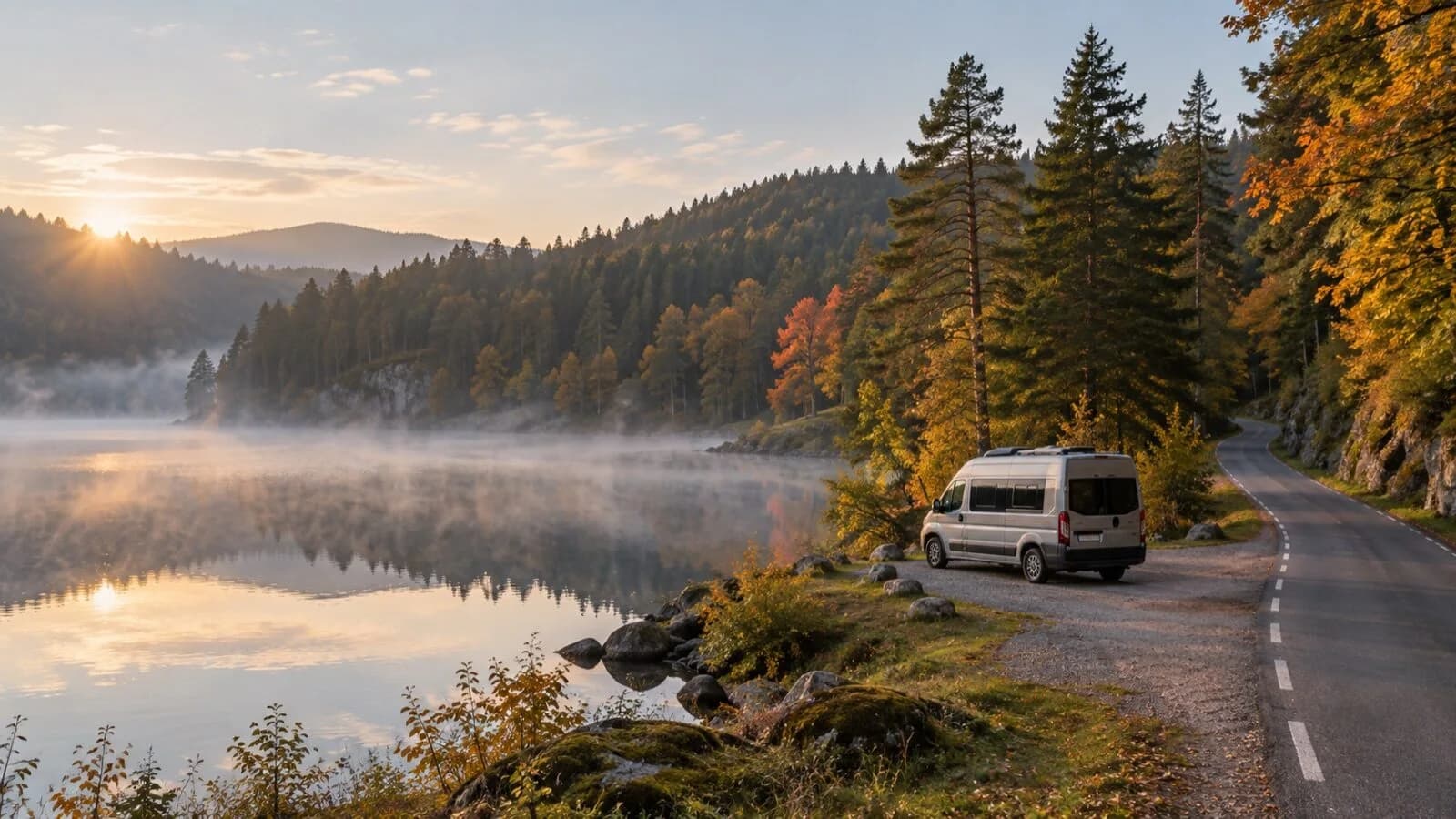
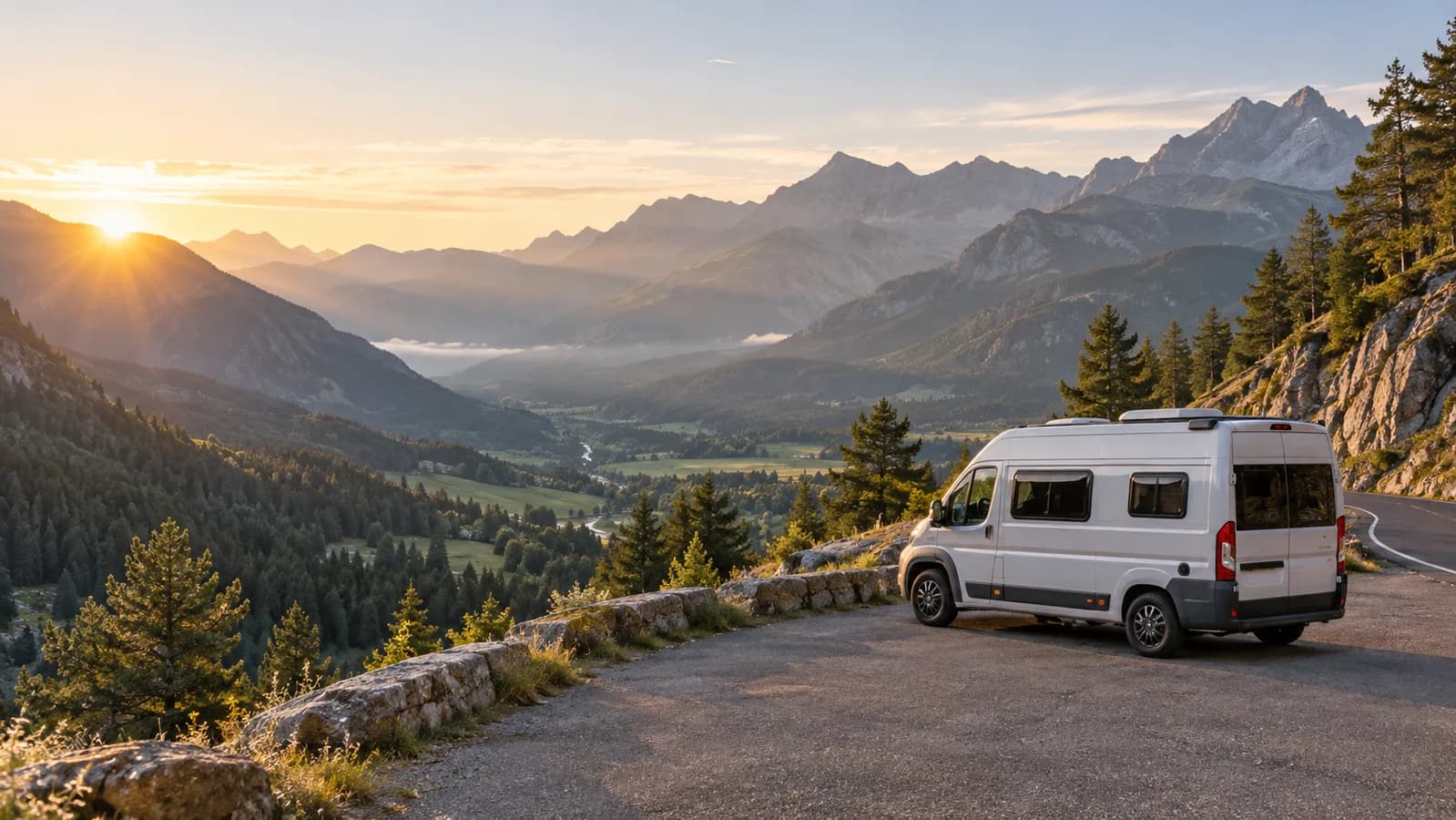
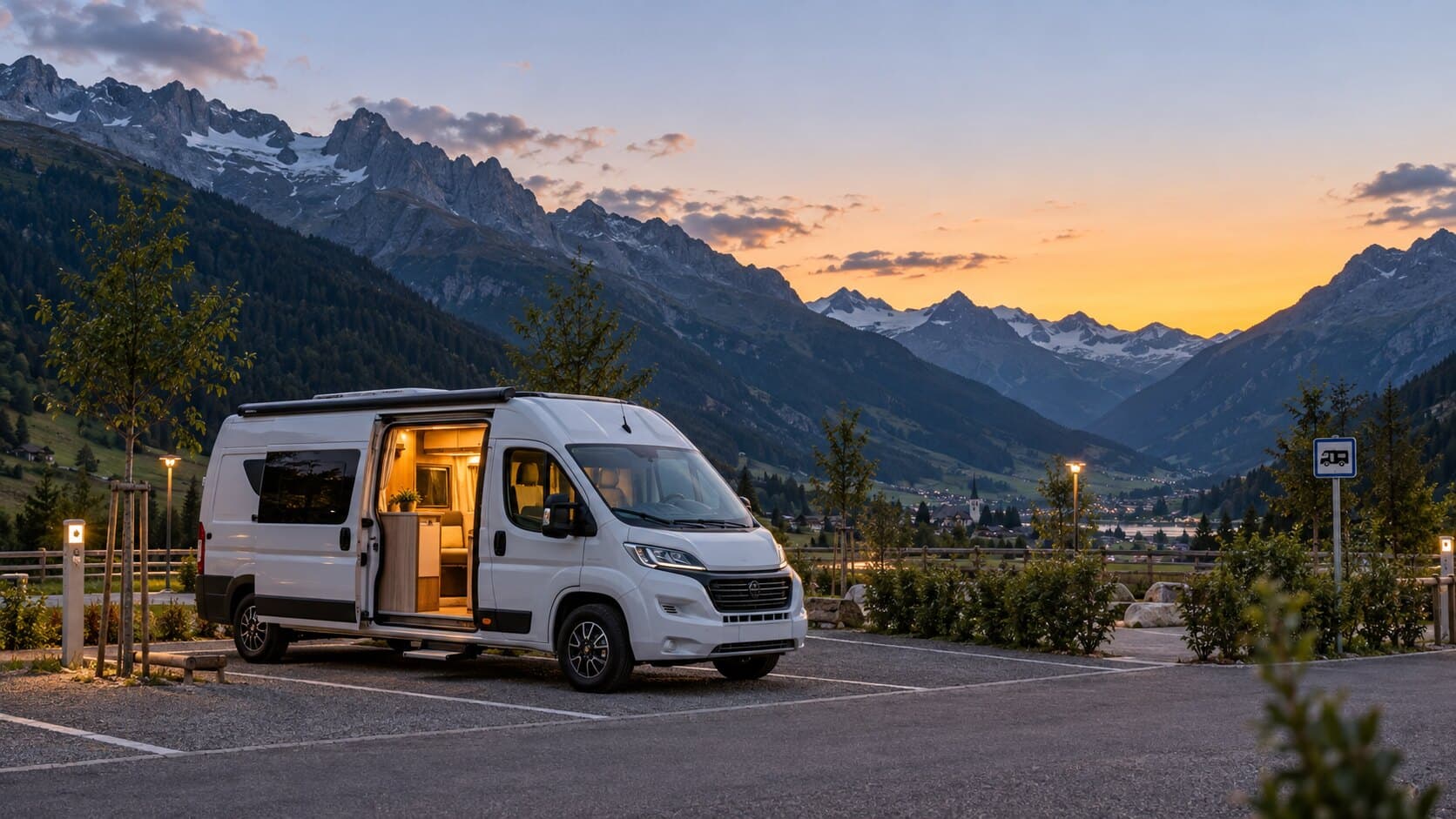
This guide is about using that quieter window well: where to point the van, what “quieter” really means, and how to keep the route flexible with Campernight.
Why post-holiday travel feels different
School calendars vary by country and region, so there is no single day when the crowds disappear. Weekends, festivals and sunny forecasts can still fill popular places. Think of September and early autumn as shoulder season rather than a guaranteed empty season.
For campervan travellers, the biggest advantage is flexibility. Instead of chasing one famous overnight stop, you can build a route around several good options and decide late in the day which one fits the weather, opening hours and your energy level.
There are still two checks to make before committing:
- Is the place still operating? Some campsites, beach facilities, mountain lifts, restaurants and seasonal services reduce their hours after summer.
- Is the route still comfortable? Heavy rain, wind, early cold snaps and shorter daylight can turn a relaxed plan into a difficult one.
Check current conditions, local signs and the latest listing details. If a shower, water point or electric hook-up is essential, confirm it directly with the site.
1. Northern Spain: green coast, compact towns and inland backups
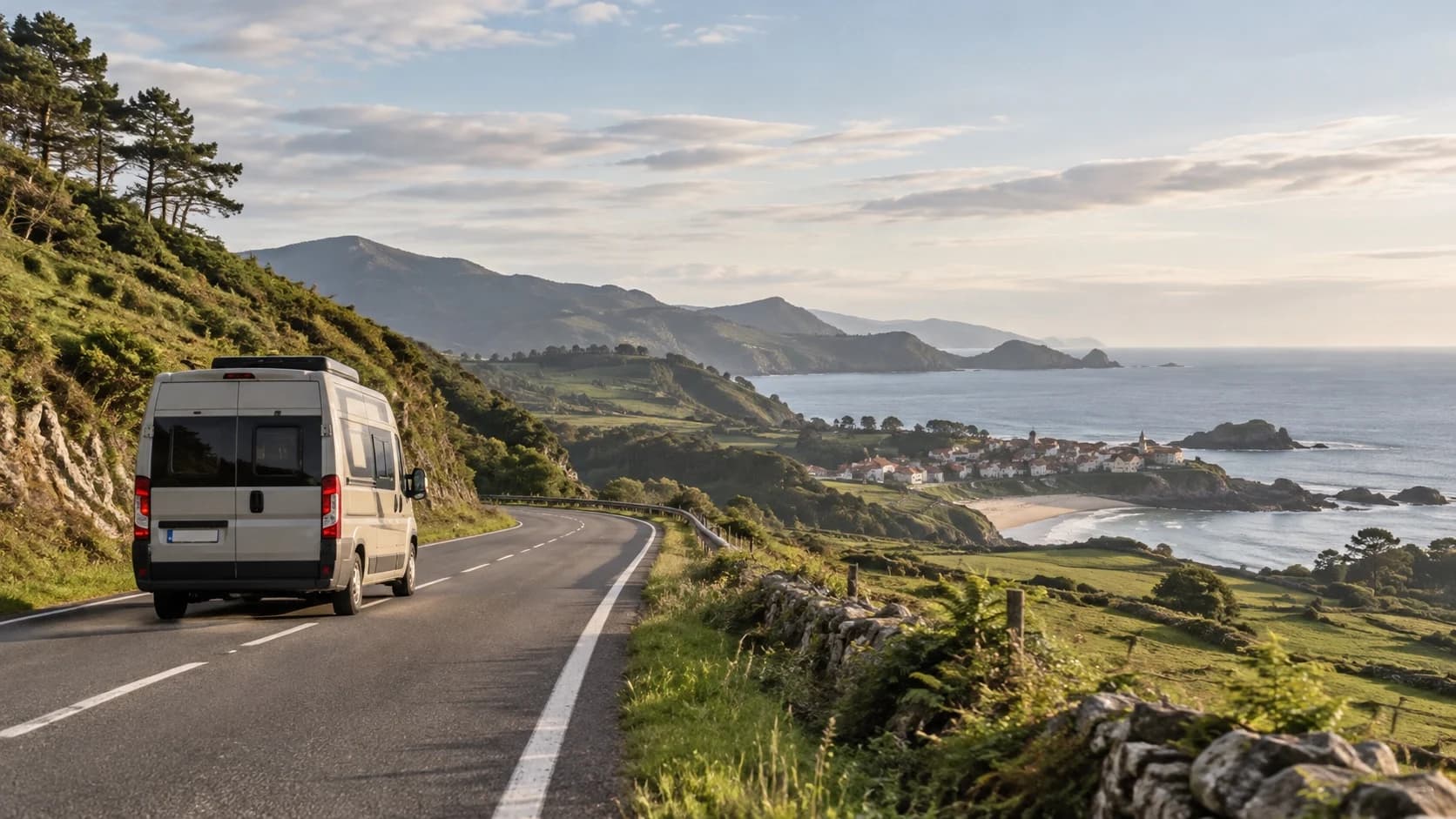
The north coast of Spain works especially well after the peak family-holiday period. Asturias, Cantabria and the Basque Country combine beaches, fishing towns, walking routes and food stops without forcing you to spend every day beside the sea. If the coast is windy or wet, you can move inland or use a town-based motorhome area instead.
Start by browsing campervan spots across Spain and save options in more than one setting: a serviced area near a town, a campsite for a reset day, and a coastal stop for a good forecast.
Área de Descanso Elorriaga near Deba is a useful Campernight example of the kind of stop that can support this route. Its listing currently shows water, toilets, rubbish facilities and pet-friendly access, and Campernight reviews highlight the viewpoint and overnight setting. It is not a promise of silence or availability, so check recent reviews, access and local signs before arrival.
A simple four- or five-day route could connect the Basque coast with an inland night around Pamplona or the foothills, then return to the sea when the forecast improves. The goal is not to cover kilometres; it is to use a compact region where a change of plan does not cost half a day.
2. Portugal: Atlantic light without a peak-summer timetable
Portugal remains an appealing post-holiday direction because you can combine coast, historic towns and inland landscapes in relatively short stages. The Algarve is the obvious draw, but a quieter-feeling trip often comes from mixing it with places such as Tavira, the Alentejo interior or the western Atlantic coast instead of moving only between headline beaches.
Use the Portugal spots page to compare campsites and motorhome areas before you commit to a coastal loop. Exposed beach parking can look perfect in photographs but be uncomfortable in strong wind, and overnight restrictions may differ by municipality or protected area.
Algarve Motorhome Park Tavira is one practical in-app example. The Campernight listing shows electricity, water, showers, waste disposal, rubbish facilities and Wi-Fi, with positive review and favourite signals. That service profile can be useful for a reset night between slower coastal days. Verify the current price, opening status, facilities and booking conditions before travelling.
Do not assume that every Algarve stop becomes quiet as soon as August ends. Warm weekends and well-known surf areas can remain busy. Build in one inland alternative and arrive with enough daylight to assess the entrance and signs.
3. Southwest France: choose the smaller base, not only the famous resort
The Atlantic side of southwest France offers a useful shoulder-season pattern: long beaches, pine forests, cycle routes and market towns within the same broad corridor. Instead of aiming directly for the most recognisable resort, look at smaller communities nearby and treat the coast as a daytime destination rather than insisting on sleeping beside it.
Browse campervan spots in France and compare aires or campsites one step back from the shoreline. A serviced stop a few kilometres inland may be calmer, less exposed and easier for filling water or handling waste.
Keep the route deliberately short. A loop between the Landes coast, the Basque edge and an inland market town gives you choices without locking you into a long transfer. Remember that local overnight rules and height barriers can change; an empty car park is not automatic permission to sleep there.
4. Germany: lakes, forests and small-city stopovers
Germany is useful when you want a trip that does not depend on beach weather. Forest walks, lake districts, spa towns and cycle routes all work with shorter autumn days, while established motorhome areas can make the practical side of the route easier.
Search campervan spots in Germany around a region rather than one attraction. Save one countryside option and one town-based alternative for each stage. If the weather turns, a small city with public transport, a museum or thermal baths can be a better day than waiting inside the van at an exposed lake.
September can still bring popular wine events, weekend gatherings and local festivals, so check the regional calendar. “After school holidays” does not mean every car park or campsite will be quiet, particularly on Friday and Saturday nights.
5. Central Italy: hill towns after the hottest weeks
For travellers heading south, central Italy can work better as a chain of small bases than as a rush between major cities. Hill towns, rural campsites and secondary roads through Tuscany, Umbria or the Marche make it possible to alternate sightseeing with slower days.
Use Campernight’s Italy spots to search outside the obvious city centres. A recognised campsite or motorhome area with a bus or train connection can be easier than driving into a historic centre, where restricted traffic zones, narrow streets and limited parking require careful planning.
Autumn storms and local events can still change the experience quickly. Check official weather warnings, avoid flood-prone low ground during heavy rain, and do not drive past road closures. If a rural stay depends on a seasonal business, contact it before making it the only option.
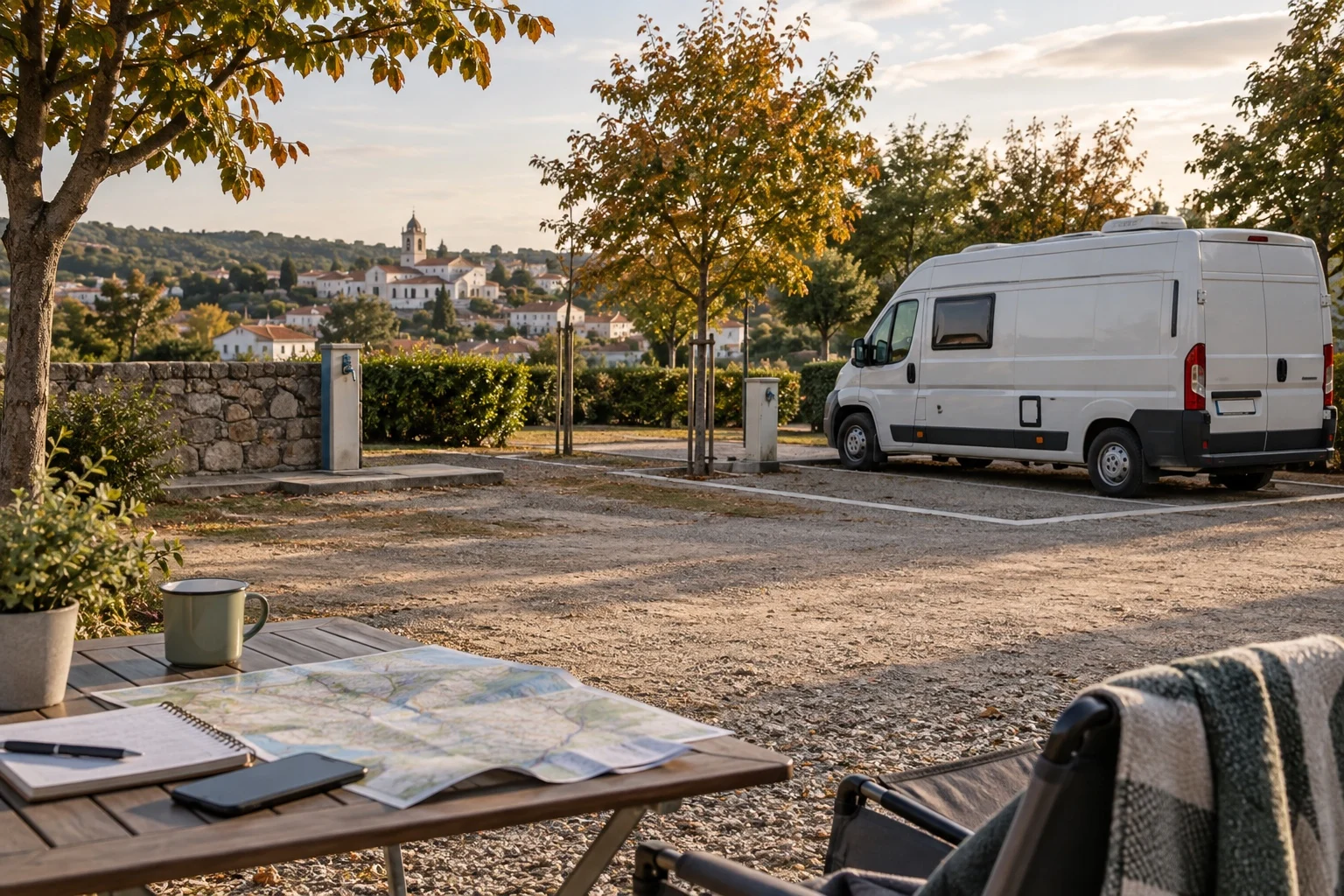
How to find the genuinely quieter stop
A quiet region can still contain one very busy overnight area. The most reliable strategy is to look beyond the first map pin and compare several types of place.
Search one ring wider
If the famous beach or old town is the centre, search 10 to 30 kilometres around it. A recognised motorhome area in the next town may give you better access, services and sleep than the obvious waterfront parking.
Read recent reviews, not just the headline rating
Look for comments about road noise, seasonal barriers, surface condition, late arrivals and whether facilities were actually available. Older reviews are useful context, but recent observations matter more when rules or access may have changed.
Match the stop to the job
One night may be for a view; the next may be for laundry, charging and water. A proper campsite can be worth paying for when you need a reset, even if the rest of the trip uses simpler stops.
Keep two backups
Save a preferred stop, a nearby alternative and a weather-proof fallback. If the first is full, closed or feels wrong, move on while there is still daylight. Campernight’s real value here is not finding one “secret” location; it is making the whole decision less fragile.
A practical post-holiday route formula
Use this simple structure for a five- to seven-day trip:
- Choose one broad region, not three countries.
- Plan stages of roughly two hours or less so a weather change does not ruin the day.
- Alternate scenic and serviced nights rather than expecting every stop to do everything.
- Place a town or campsite every second or third night for food, water, waste and charging.
- Check tomorrow’s stop each evening, including opening status, recent reviews and local restrictions.
- Leave one day unplanned for the place that deserves longer or the forecast that forces a change.
For more seasonal route ideas, compare this approach with Campernight’s late-summer road trips in Europe and guide to finding quieter camper spots in busy periods.
Quieter does not mean rule-free
Reduced crowds do not change overnight-parking rules. Permission can depend on the country, municipality, landowner, protected-area status, season and the difference between parking and camping behaviour. Follow posted signs, avoid putting out furniture where it is not allowed, respect residents and move on if the location is unsuitable.
Weather deserves the same caution. Europe’s autumn conditions can shift quickly, and official warnings should take priority over an itinerary. Avoid exposed ground in strong wind, never enter floodwater, and use recognised alternatives when a scenic stop no longer feels safe.
Make shoulder season work for you
The best part of travelling after school holidays is not the promise of empty roads. It is having more room to make better decisions. You can stay longer when a town feels right, move inland when the coast is rough, and choose a serviced night before small inconveniences become problems.
Open Campernight, save several overnight options for each stage, and treat the first choice as a plan rather than a guarantee. That small habit makes a post-holiday campervan trip feel genuinely calmer—even when Europe is not completely quiet.