Où dormir en Italie avec un van ou un camping-car ?
L'Italie est l'un des meilleurs pays d'Europe pour voyager en van ou en camping-car, mais c'est aussi l'un des plus faciles à mal comprendre. Vous verrez des camping-cars garés près des lacs, dans les villages de montagne, au bord des plages et dans des aires de sosta camper officielles, mais cela ne veut pas dire que chaque parking avec une belle vue est légal pour passer la nuit.
La version courte : en Italie, un van ou un camping-car peut généralement stationner là où le stationnement est autorisé, mais camper est autre chose. Si le véhicule reste dans son gabarit normal, repose uniquement sur ses roues, ne rejette rien et ne se comporte pas comme une installation de camping, le code de la route italien le traite différemment du camping. Les panneaux locaux, les règles municipales, les zones protégées, les plages, les parcs nationaux et les terrains privés peuvent toutefois changer rapidement la réponse.
Ce guide est un point de départ pratique, pas un conseil juridique. Les règles peuvent varier selon la commune, la région, la saison et la zone protégée, alors vérifiez toujours les panneaux locaux avant de vous installer pour la nuit.
Stationner ou Camper en Italie
La distinction essentielle est simple mais importante : stationner n'est pas camper.
L'article 185 du code de la route italien indique que les autocaravanes sont généralement soumises aux mêmes règles de circulation et de stationnement que les autres véhicules. Il précise aussi que le stationnement d'une autocaravane là où il est autorisé ne constitue pas du camping si le véhicule :
- repose au sol uniquement sur ses roues
- ne rejette aucun écoulement propre, en dehors des gaz d'échappement normaux
- n'occupe pas plus d'espace sur la route que le véhicule lui-même
Concrètement, cela veut dire qu'une nuit discrète sur une place légale est très différente du fait de sortir des chaises, cales, tables, auvents, linge, barbecue ou eaux usées.
Si vous voulez une vision plus large avant de traverser les frontières, notre guide sur la législation du camping sauvage en Europe est un bon complément. Il vaut mieux voir l'Italie comme un pays où "stationner peut être possible, camper demande de la prudence", pas comme un terrain libre.
Où la Nuit Se Passe Généralement le Mieux
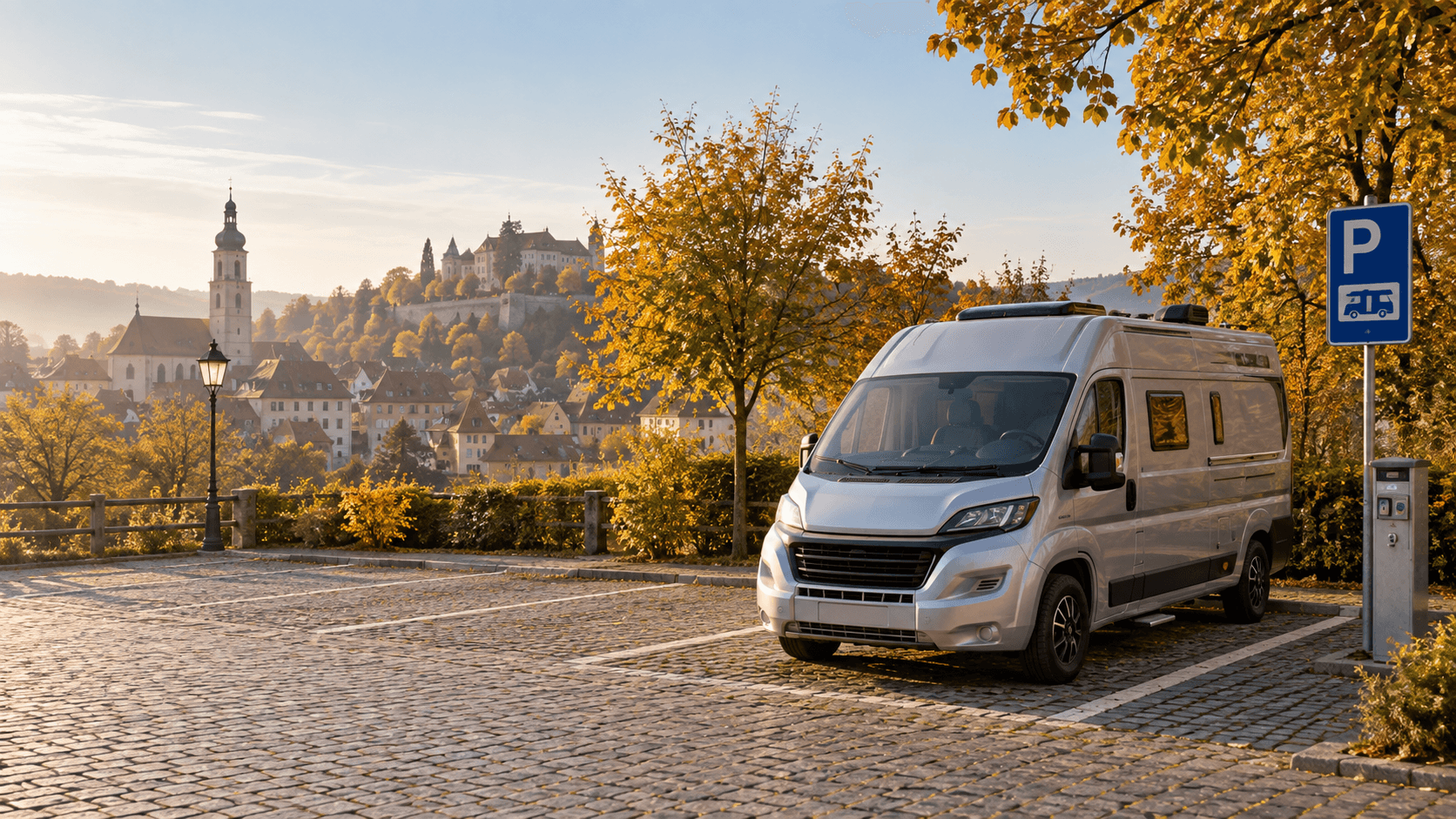
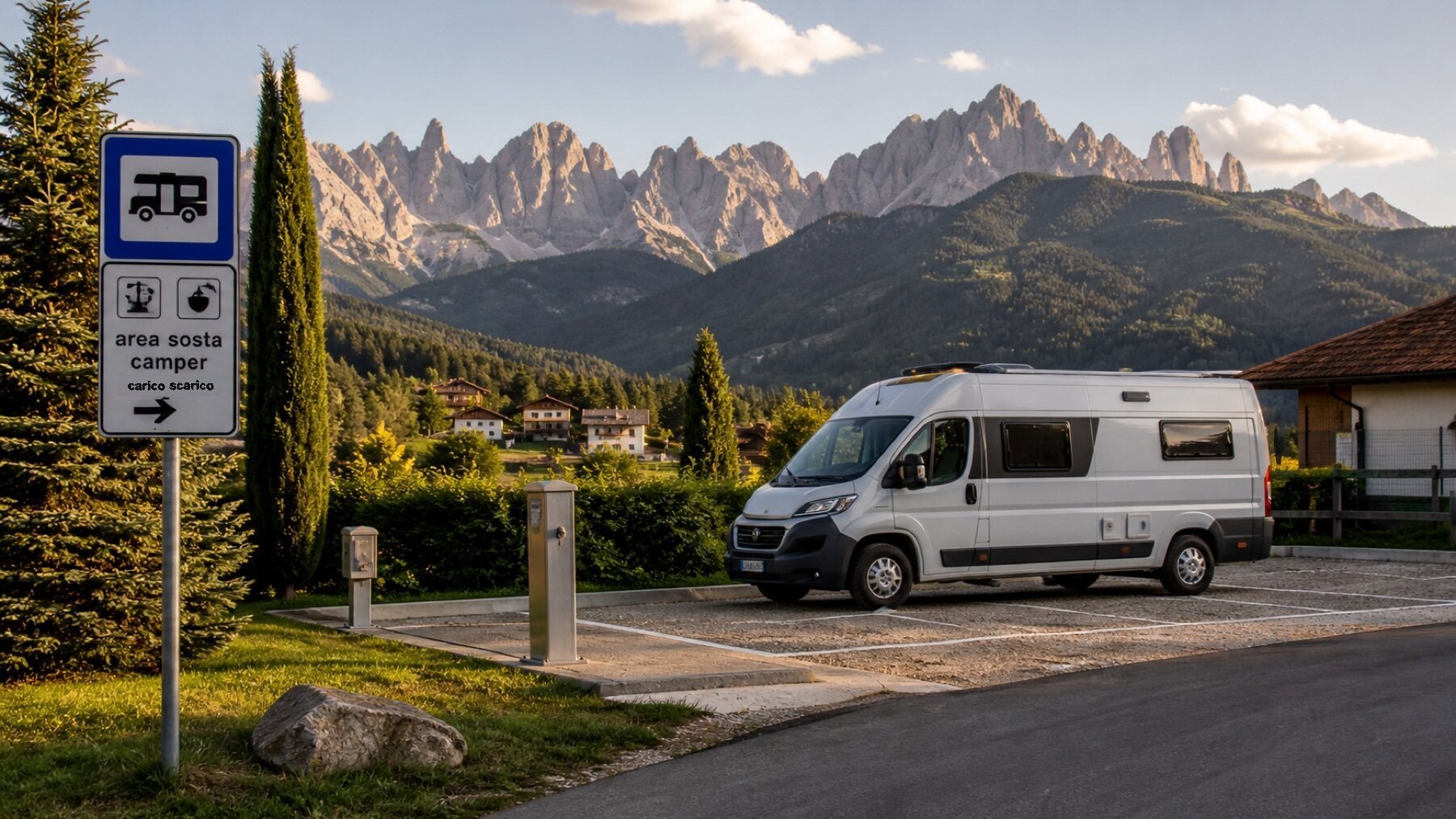
L'option la plus fiable est une aire officielle pour camping-cars, appelée area sosta camper en Italie. Ce sont des aires dédiées aux camping-cars et vans, souvent avec eau, vidange, électricité ou emplacements payants pour la nuit. Certaines sont de simples parkings municipaux. D'autres ressemblent davantage à de petits campings.
Elles sont fréquentes dans le nord et le centre de l'Italie, autour des villes touristiques, des zones de montagne et des routes populaires. Dans les destinations estivales, elles peuvent se remplir vite, donc il est utile de garder une solution de secours à proximité.
Vous pouvez aussi trouver :
- des campings, surtout près des lacs, des plages et des parcs nationaux
- des agriturismi ou étapes camper à la ferme
- des parkings urbains payants qui autorisent clairement les vans
- des aires d'autoroute ou de service pour de courtes pauses pratiques
- des zones camper signalées près des plages, villages, remontées mécaniques ou départs de randonnée
Le meilleur choix pour dormir est souvent le moins ambigu. Si un lieu a des panneaux camper, des places marquées, des consignes de paiement, des services ou des avis récents confirmant que la nuit est acceptée, c'est beaucoup plus solide qu'un simple bel arrêt panoramique.
Ce Qu'il Vaut Mieux Éviter
Évitez de traiter les beaux espaces publics italiens comme des campings informels. C'est là que les voyageurs se font déplacer, verbaliser ou contribuent à créer des règles plus strictes pour tout le monde.
Soyez particulièrement prudent avec :
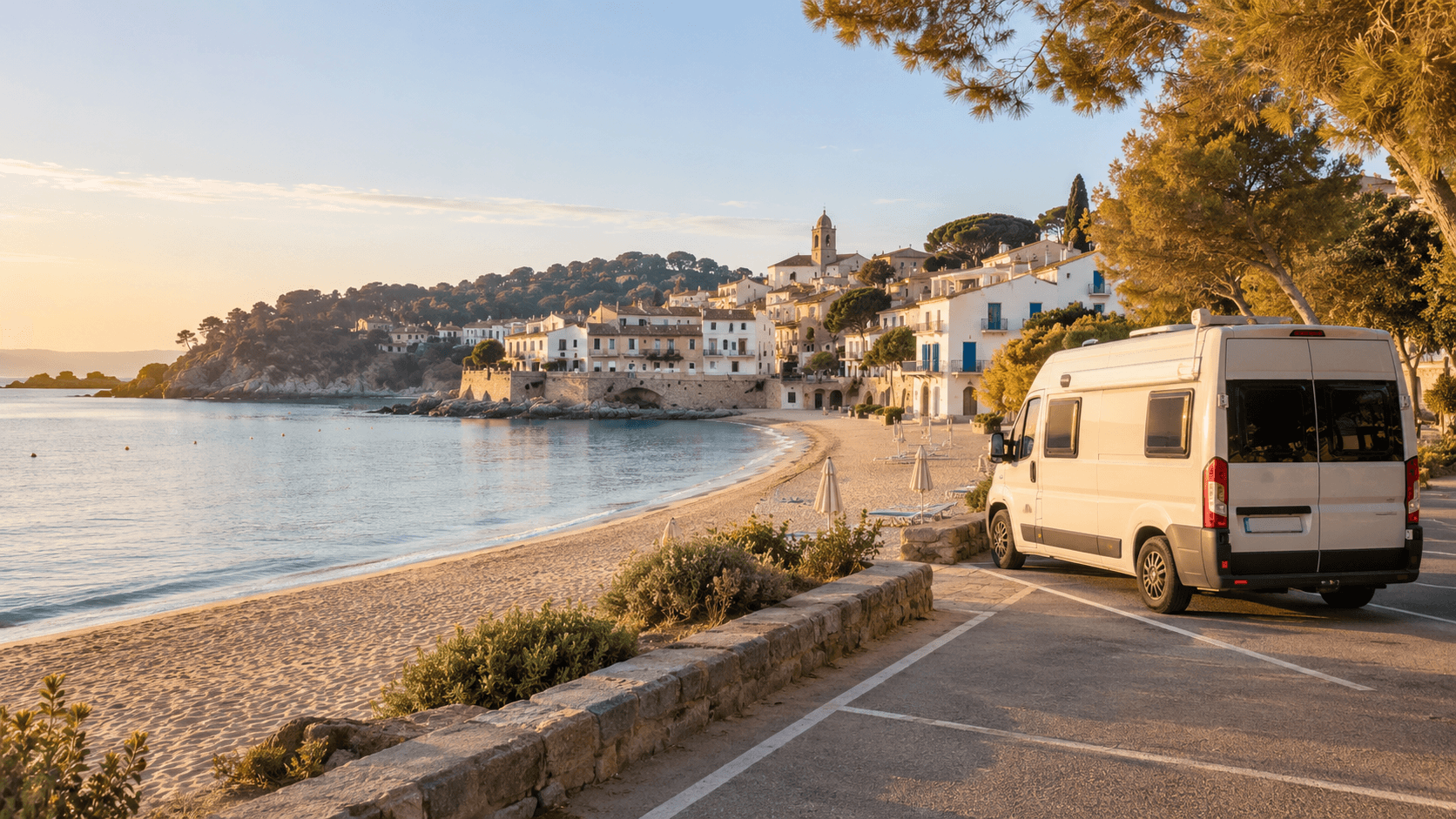
- les plages et parkings côtiers
- les parcs nationaux et réserves naturelles
- les départs de randonnée dans les Dolomites et zones de montagne protégées
- les petits centres historiques
- les terrains privés, pistes agricoles et accès aux vignobles
- les parkings avec barrière de hauteur, interdiction camper ou panneau de non-nuitée
- les lieux manifestement utilisés par les habitants pour le stationnement quotidien
La côte est le grand piège. Un parking calme au coucher du soleil peut être contrôlé plus tard, surtout en été. Les zones de montagne peuvent aussi être sensibles, car les règles de protection peuvent être plus strictes que la logique normale du stationnement.
S'il y a un panneau interdisant les campers, le camping, la nuitée ou le stationnement après certaines heures, partez ailleurs. Si le panneau n'est pas clair, supposez que l'option la plus sûre est une area sosta camper officielle ou un camping.
Comment Rester dans le Stationnement
Lorsque vous dormez hors camping, gardez une installation minimale. Plus votre arrêt semble propre et contenu, moins il risque d'être considéré comme du camping.
Bonnes pratiques en Italie :
- arrivez tard et repartez assez tôt si vous utilisez un parking ordinaire
- gardez les roues dans l'emplacement marqué
- ne sortez pas chaises, tables, auvents, marchepieds, tapis ou matériel de cuisine
- n'utilisez pas de cales sur un stationnement public en bord de route
- ne videz jamais les eaux grises ou les toilettes hors d'un point adapté
- limitez le bruit, surtout près des habitations
- payez correctement le stationnement ou l'area sosta
- partez poliment si on vous le demande
Ce n'est pas seulement une question d'amendes. Le voyage en van repose sur la confiance. Si un spot devient sale, bondé ou ressemble à un camping, les autorités ont une raison très simple d'interdire les nuitées.
Une Règle Simple Pour l'Italie
Avant de dormir dans un spot en Italie, posez-vous quatre questions.
D'abord : le stationnement est-il autorisé ici pour un véhicule comme le mien ? Vérifiez les panneaux, la taille des places, les barrières de hauteur, les limites horaires et le paiement.
Ensuite : suis-je encore dans l'idée légale du stationnement ? Si le van est simplement garé, contenu, calme et ne déborde pas autour de lui, vous êtes dans une meilleure position. Si vous avez besoin d'espace extérieur, choisissez un camping ou une vraie aire camper.
Troisième point : est-ce un lieu protégé ou sensible ? Plages, dunes, rives de lac, parcs, réserves et départs de randonnée demandent plus de prudence.
Enfin : ai-je une solution de secours ? L'Italie est beaucoup plus simple quand vous avez deux ou trois options avant d'arriver, surtout en juillet et août.
C'est là que Campernight aide concrètement : utilisez-la pour trouver des étapes en Italie, comparer les avis récents et garder des alternatives légales avant d'être fatigué en fin de journée. Notre guide sur comment trouver un spot pour dormir avec Campernight explique la méthode si vous voulez une planification simple.
Scénarios Fréquents en Italie
Si vous êtes dans une area sosta camper officielle, suivez les règles affichées. C'est généralement le meilleur équilibre entre confort et tranquillité. Certaines n'autorisent la nuitée que contre paiement. Certaines limitent le nombre d'heures. Certaines ont des services et d'autres sont seulement des parkings.
Si vous êtes dans un parking public normal, vérifiez si les vans sont autorisés et s'il existe des limites horaires. Une nuit calme peut être tolérée à certains endroits, mais ne la transformez pas en camping.
Si vous êtes près d'une plage, supposez que les règles sont plus strictes qu'elles n'en ont l'air. Les parkings de plage en été sont un lieu classique de restrictions camper.
Si vous êtes en montagne, cherchez des aires camper signalées près des villages ou remontées plutôt que de dormir sur un départ de randonnée protégé.
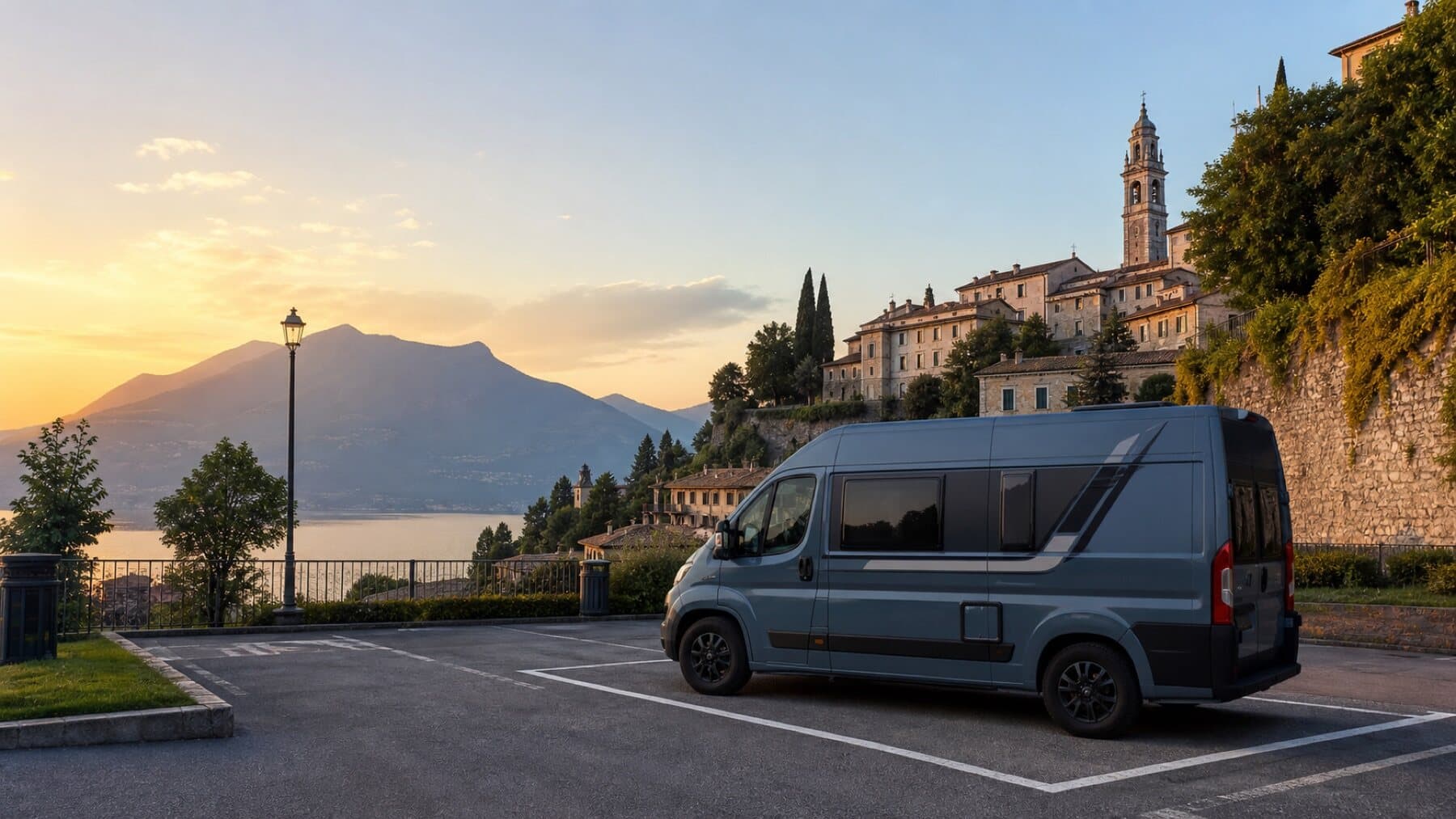
Si vous êtes en ville, la nuitée relève souvent moins de la légalité que de la sécurité, de l'espace, du bruit et du stress. Une aire camper ou un camping hors du centre est généralement un meilleur choix.
Conclusion
Vous pouvez très bien voyager en Italie en van ou camping-car, mais la bonne stratégie n'est pas "se garer n'importe où et espérer". Traitez le stationnement comme du stationnement, utilisez les area sosta camper officielles quand c'est possible, soyez prudent près des plages et zones protégées, et lisez toujours les panneaux locaux.
Pour un voyage plus détendu, prévoyez chaque nuit avec une option principale et une solution de secours. Campernight peut vous aider à trouver des spots pour vans en Italie, vérifier les notes pratiques et éviter d'arriver de nuit dans un endroit magnifique mais juridiquement compliqué.