Die besten Spaetsommer-Roadtrips durch Europa mit dem Camper
Der Spätsommer ist die ideale Reisezeit für Wohnmobile in Europa. Das Wetter ist meist noch warm, Bergstraßen sind oft befahrbar, das Meer hat sich den ganzen Sommer über erwärmt, und die besucherstärksten Ferienwochen klingen langsam ab, wenn der August in den September übergeht.
Gleichzeitig ist eine sorgfältige Planung wichtiger als man denkt. Manche Campingplätze ändern ihre Öffnungszeiten, beliebte Küstenorte können an Wochenenden immer noch überfüllt sein, und die Regeln für das Parken über Nacht sind von Land zu Land, von Region zu Region, von Naturschutzgebiet zu Naturschutzgebiet oder von Gemeinde zu Gemeinde unterschiedlich. Die besten Roadtrips im Spätsommer sind nicht nur landschaftlich reizvoll, sondern auch solche, für die man einen realistischen Alternativplan erstellen kann.
Hier kommt Campernight ins Spiel: Nutzen Sie die App vor Ihrer Abreise, um mögliche Übernachtungsplätze, Raststätten und Ausweichmöglichkeiten entlang jeder Etappe zu speichern. Prüfen Sie dann vor Ort aktuelle Bewertungen und die örtlichen Hinweisschilder. Für eine detailliertere Planung empfiehlt sich der Leitfaden So findest du mit Campernight einen Uebernachtungsplatz, bevor Sie mit der Routenplanung beginnen.
Hier sind einige der schönsten Wohnmobil-Rundreisen in Europa im Spätsommer, ausgewählt nach Landschaft, Wetter, abwechslungsreichen Routen und ihrer Eignung für die Nebensaison August/September.
1. Nordspanien: Baskenland, Kantabrien, Asturien und Galicien
Vergleiche Camper-Stellplätze in Spanien, damit du Alternativen an der Küste und im Inland bereithältst.
Nordspanien ist eine der attraktivsten Optionen für den Spätsommer in Europa. Die Region bietet Küste, Berge, kulinarische Highlights und ein angenehmeres Klima als das Mittelmeer. Die Route kann von einer Woche bis zu einer entspannten zwei- oder dreiwöchigen Reise ausgedehnt werden.
Eine praktische Variante startet in der Nähe von San Sebastián oder Bilbao, folgt der kantabrischen Küste durch Orte wie Comillas, Llanes, Ribadesella und Cudillero und fährt dann, falls Zeit bleibt, weiter Richtung Galicien. Strandtage lassen sich ideal mit Abstechern in die Berge der Picos de Europa kombinieren – genau diese Art von Kontrast macht eine Wohnmobilreise so unbeschwert und gleichzeitig abenteuerlich.
Der Spätsommer eignet sich hier besonders gut, da die Atlantikküste die Hitze oft besser verträgt. Sie müssen weiterhin die örtlichen Parkregeln, Zugangsbeschränkungen zu den Stränden und Naturschutzgebiete beachten, aber die Route bietet Ihnen mehr Möglichkeiten als ein reiner Strandurlaub.
Ideal für: Reisende, die Meerblick, Fischorte, Tagesausflüge in die Berge und eine kühlere Alternative zu Südspanien suchen.
Planungszeit: 7 bis 14 Tage.
Planungstipp: Halten Sie eine Mischung aus Küstenorten und Ausweichmöglichkeiten im Landesinneren bereit. Wenn ein Küstenort ausgebucht ist oder Übernachtungen dort nicht erlaubt sind, kann ein 20- bis 40-minütiger Ausflug ins Landesinnere den Abend retten.
2. Portugals Atlantikküste: Von Porto zur Algarve
Speichere Camper-Stellplätze in Portugal, bevor du die beliebtesten Küstengebiete erreichst.
Portugals Atlantikküste ist aus gutem Grund ein Klassiker im Spätsommer. Die Landschaft wandelt sich von Städten und Surfstränden im Norden zur wilderen Küste des Alentejo und den Klippen der Algarve, und der September kann ruhiger sein als der Hochsommer im August.
Sie müssen nicht das ganze Land auf einmal bereisen. Eine nördliche Variante bietet sich mit Abstechern nach Porto, Aveiro und Coimbra sowie den Stränden um Peniche oder Nazaré an. Eine längere Route führt über Lissabon hinaus nach Comporta, Vila Nova de Milfontes, Sagres und Lagos.
Besonders zu beachten ist die Übernachtung. Portugal hat die Regeln für Übernachtungen mit Wohnmobilen und Campern im Laufe der Jahre angepasst und verfeinert. Die Durchsetzung kann je nach Ort, Jahreszeit, Beschilderung und Schutzgebietsstatus variieren. Seien Sie vorsichtig bei unscheinbaren Küstenparkplätzen. Nutzen Sie Campingplätze, offizielle Wohnmobilstellplätze, Raststätten und lokal genehmigte Übernachtungsmöglichkeiten, anstatt anzunehmen, dass ein schöner Meerblick eine legale Übernachtung erlaubt.
Ideal für: Surfen, Atlantikstrände, Meeresfrüchte, Klippen und eine entspannte Nord-Süd-Route.
Planen Sie: 10 bis 21 Tage ein oder teilen Sie die Reise in eine Nord- und eine Südpassage auf.
Planungstipp: Prüfen Sie den letzten Übernachtungsort, bevor Sie den letzten Strand des Tages ansteuern. Spätsommerliche Sonnenuntergänge sind wunderschön, aber im Dunkeln ohne legale Übernachtungsmöglichkeit anzukommen, ist nicht gerade reizvoll.
3. Norwegens Fjorde: Bergen, Geiranger, Atlantikstraße und Trondheim
Prüfe Camper-Stellplätze in Norwegen vor den längeren Fahrten durch die Fjorde.
Norwegen ist zwar nicht das wärmste Reiseziel im Spätsommer, aber eines der spektakulärsten. Die Fjorde, Fährverbindungen, Bergstraßen und Küstenabschnitte vermitteln selbst auf dem Papier einfache Routen das Gefühl einer echten Expedition.
Eine klassische Route führt von Bergen nordwärts zu den Fjorden, über Geiranger und die Atlantikstraße bis nach Trondheim. Bei nur einer Woche Zeit lässt sich die Route straffen, bei mehr Zeit kann man sie mit Wanderungen und Fährverbindungen erweitern.
Der Spätsommer ist eine gute Reisezeit, da der größte Sommerandrang nachlässt und Tageslicht und Straßenverhältnisse im Allgemeinen noch angenehmer sind als im Hochherbst. Das Wetter kann sich jedoch schnell ändern. Planen Sie daher Flexibilität ein, insbesondere bei Bergstraßen, Fährverbindungen und exponierten Küstenabschnitten.
Ideal für: Dramatische Landschaften, Fährverbindungen, Wasserfälle, Aussichtspunkte in den Bergen und Reisende, die kühlere Nächte nicht stören.
Planen Sie 7 bis 14 Tage für eine fokussierte Route ein; mehr, wenn Sie die Fjorde in Ruhe bereisen möchten.
Planungstipp: Planen Sie Ihr Budget sorgfältig. Norwegen kann teuer sein, und Fähren, Mautgebühren, Treibstoff und Campingplätze summieren sich. Ein alternativer Übernachtungsplan ist hilfreich, ebenso wie eine realistische Tagesetappe.
4. Französische Alpen – Provence
Nutze die Karte mit Camper-Stellplätzen in Frankreich, um hoch gelegene Stopps mit tieferen Routen zu vergleichen.
Für eine abwechslungsreiche Spätsommerroute verbinden Sie die französischen Alpen mit der Provence. Beginnen Sie mit Seen, hohen Pässen und Alpendörfern und fahren Sie dann hinab zu Weinbergen, Steinstädten und wärmeren südlichen Landschaften.
Je nach Zeit können Sie den Bergabschnitt um Annecy, Chamonix, Grenoble oder Teile der Route des Grandes Alpes gestalten und dann weiter nach Süden in Richtung Verdon, Luberon-Dörfer oder an den Rand der Provence fahren. Die genaue Route ist weniger wichtig als der Rhythmus: Zuerst kühle Tage in den Bergen, danach entspanntere Stopps im Süden.
Diese Route eignet sich gut für den Spätsommer, da die Hochgebirgsregionen besser zugänglich sind als im Winter, während der September in beliebten Städten eine ruhigere Atmosphäre bietet. Dennoch sollten Sie nicht davon ausgehen, dass jeder Pass, Campingplatz, Rastplatz oder Übernachtungsplatz die ganze Saison über gleich funktioniert. Bergwetter, Gemeinderegeln und Campingplatzbelegungspläne können sich schnell ändern.
Ideal für: Bergfahrten, Seen, Dorfbesuche, Weinberge und Reisende, die sowohl Höhe als auch Wärme suchen.
Einplanen: 7 bis 14 Tage.
Planungstipp: Überladen Sie die Reiseroute nicht mit bekannten Sehenswürdigkeiten. Eine Spätsommer-Rundreise wird schöner, wenn Sie Zeit für einen Zwischenstopp an einem See, einen Marktbesuch am Vormittag oder eine kürzere Etappe einplanen.
5. Slowenien und Nordkroatien
Slowenien ist kompakt, landschaftlich reizvoll und lässt sich gut mit Nordkroatien kombinieren, wenn Sie eine abwechslungsreiche Spätsommer-Rundreise planen. Sie können von Alpenseen und Flusstälern zu Karstdörfern fahren und dann weiter nach Istrien oder an die nordkroatische Küste reisen.
Eine praktische Route könnte den Bleder See oder Bohinj, das Soča-Tal, Ljubljana, die Karstregion und dann Istrien umfassen. So erleben Sie Berge, Seen, Städte und Küste, ohne die enormen Entfernungen einer Kontinentaldurchquerung in Kauf nehmen zu müssen.
Der Spätsommer kann hier wunderschön sein, aber es gilt dieselbe Regel: Schön heißt nicht, überall parken zu können. Nutzen Sie ausgewiesene Campingplätze, Stellplätze für Wohnmobile und genehmigte Bereiche, insbesondere in der Nähe von Nationalparks, Seen und Küstenstädten. Diese Orte sind sensibel, beliebt und oft reglementiert.
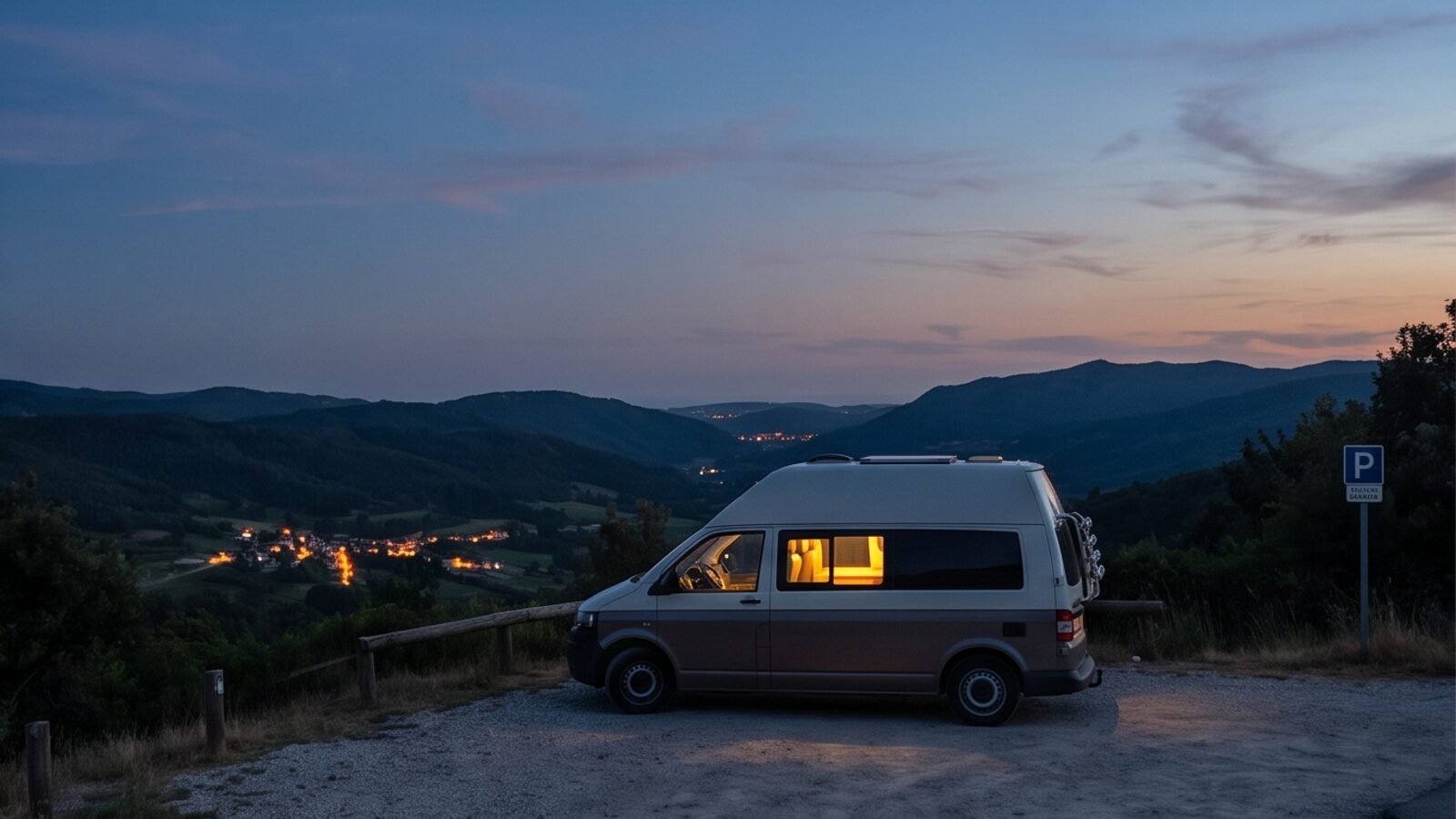
Ideal für: kompakte Routen, Alpenlandschaften, klare Flüsse, historische Städte und einen Abstecher an die Küste.
Planungszeit: 7 bis 12 Tage.
Planungstipp: Halten Sie die Tagesetappen kurz. Slowenien belohnt langsames Reisen, und eine Route, die auf der Karte klein aussieht, kann einen ganzen Tag füllen, wenn man Wanderungen, Aussichtspunkte und Stopps an Seen einplant.
6. Deutschlands Romantische Straße und Bayerische Alpen
Vergleiche Camper-Stellplätze in Deutschland, bevor du in die stärker besuchten historischen Orte fährst.
Deutschlands Romantische Straße ist eine attraktive Option für den Spätsommer, wenn Sie eine Route mit Städten, Schlössern, Weinbergen und einem alpinen Finale suchen. Die Route verläuft im Großen und Ganzen von Würzburg Richtung Füssen, mit Zwischenstopps wie Rothenburg ob der Tauber, Augsburg und der Landschaft um Neuschwanstein.
Für Wohnmobilreisende liegt der Reiz in der Struktur. Man muss keine Route von Grund auf neu planen, sondern folgt einer bekannten Strecke mit vielen Möglichkeiten für Abstecher. Mit den Bayerischen Alpen am Ende wird die Reise abwechslungsreicher, ohne dabei unübersichtlich zu werden.
Der Spätsommer bis Frühherbst ist besonders schön, da das Wetter dann noch angenehm sein kann und die Route durch malerische Landschaften zur Erntezeit führt. Beliebte Orte können gut besucht sein, daher empfiehlt es sich, Campingplätze oder Stellplätze für die wichtigsten Nächte im Voraus zu buchen.
Ideal für: Dörfer, Schlösser, Weinberge, eine einfache Routenführung und ein entspanntes Roadtrip-Feeling.
Planung: 4 bis 7 Tage für die Hauptroute; 7 bis 10 Tage mit Abstechern in die Alpen.
Planungstipp: Dies ist eine gute erste Europareise mit dem Wohnmobil, da man die Tour in kurzen Etappen planen und lange Tagesetappen vermeiden kann.
7. Irlands Wild Atlantic Way
Wer unberührte Küstenlandschaft statt Sonnenscheingarantie sucht, findet im Wild Atlantic Way Irlands ein unschlagbares Angebot. Die gesamte Route ist lang und verläuft entlang der Westküste, aber Camper können auch nur einen Teil der Strecke befahren, anstatt die gesamte Route zu absolvieren.
Im Spätsommer herrscht oft eine gute Mischung aus Tageslicht, stimmungsvoller Atmosphäre und weniger Touristenmassen, obwohl Regen und Wind immer wieder vorkommen. Eine kürzere Variante rund um Kerry, Clare, Galway oder Donegal bietet ebenfalls ein rundum gelungenes Reiseerlebnis.
Das Wichtigste ist, geduldig zu fahren. Die Straßen können eng, exponiert und langsam sein, insbesondere in den malerischen Küstenregionen. Das gehört zwar zum Charme der Gegend, bedeutet aber auch, dass Sie kürzere Tagesetappen einplanen sollten, als die Karte vorschlägt.
Ideal für: Wilde Atlantikpanoramen, entspanntes Reisen entlang der Küste, Pubs, Wanderwege und Reisende, die kein Strandwetter benötigen.
Planen Sie: 7 Tage für einen Teil der Strecke; 2 bis 3 Wochen für eine längere Route.
Planungstipp: Wählen Sie Regionen statt Sehenswürdigkeiten. Die Route ist zu abwechslungsreich, um sie auf ein Wettrennen zwischen den Pins zu reduzieren.
So finden Sie die richtige Route im Spätsommer
Die beste Route hängt weniger vom schönsten Foto ab, sondern vielmehr davon, welche Art von Reise Sie sich wünschen.
-
Wählen Sie Nordspanien oder Norwegen, wenn Sie kühleres Wetter und beeindruckende Landschaften bevorzugen.
-
Wählen Sie Portugal, wenn Sie Strände, Surferorte und Sonnenuntergänge über dem Atlantik lieben.
-
Wählen Sie die französischen Alpen bis zur Provence, wenn Sie Berge und Wärme suchen.
-
Wählen Sie Slowenien und Nordkroatien, wenn Sie eine kompakte Route mit viel Abwechslung bevorzugen.
-
Wählen Sie Deutschland, wenn Sie eine einfache Struktur, Städte und Campingplätze bevorzugen.
-
Wählen Sie Irland, wenn Sie die dramatische Küste lieben und wechselhaftes Wetter Ihnen nichts ausmacht.
Wenn Sie noch die Jahreszeiten vergleichen, ist Campernights Reiseführer zu den besten Frühlingsrouten für Wohnmobile in Europa eine hilfreiche Orientierungshilfe, da viele frühlingshafte Routen im September, wenn die Hitze und der Andrang nachlassen, wieder hervorragend sind.
Checkliste für die Wohnmobil-Reiseplanung im Spätsommer
Bevor Sie sich für eine Route entscheiden, gehen Sie diese Checkliste durch:
-
Prüfen Sie, ob Campingplätze und Wohnmobilstellplätze an Ihrem gewünschten Reisezeitraum noch geöffnet sind.
-
Planen Sie mindestens zwei alternative Übernachtungsmöglichkeiten pro Fahrtag ein.
-
Lesen Sie aktuelle Bewertungen, nicht nur ältere.
-
Achten Sie bei Ihrer Ankunft auf die örtlichen Schilder, insbesondere in der Nähe von Stränden, Seen, Nationalparks und Ortszentren.
-
Vermeiden Sie Verhaltensweisen, die das Parken in Camping verwandeln, wo es nicht erlaubt ist: Markisen, Stühle, Kochgelegenheiten im Freien und zu lange Aufenthalte können die Anwendung der örtlichen Regeln beeinflussen.
-
Halten Sie ausreichend Wasser, Lebensmittel und Batteriekapazität bereit, anstatt zu denken, dass Sie diese benötigen.
-
Planen Sie kürzere Tagesetappen in den Bergen, Fjorden und Küstenregionen ein, wo die Straßen langsamer befahren werden.
-
Halten Sie einen ungeplanten Puffertag bereit, falls die Route Fährüberfahrten, exponierte Bergstraßen oder lange Grenzübergänge beinhaltet.
Der häufigste Fehler im Spätsommer ist die Annahme, die Saison sei im Grunde vorbei. Das ist sie nicht. Gute Plätze können immer noch ausgebucht sein, die Hitze kann immer noch unangenehm sein, und in manchen Gegenden werden die Kontrollen verschärft, gerade weil sie einen langen, besucherstarken Sommer hatten.
So einfach planst du in Campernight
Erstelle für jede Route eine kleine Kette gespeicherter Optionen anstatt eines einzigen perfekten Übernachtungsplatzes. Ein gutes Schema ist:
-
ein bevorzugter Stopp in der Nähe deines eigentlichen Reiseziels;
-
ein praktischer Ausweichstopp 20 bis 40 Minuten entfernt;
-
eine Service- oder Campingplatzoption, falls der Abend anders verläuft als geplant;
-
ein Stopp am nächsten Morgen für Wasser, Müllentsorgung oder ein ruhiges Frühstück.
Diese Art der Planung hält die Reise flexibel, ohne dass die Suche jeden Abend zur Herausforderung wird. Campernight ist hier besonders hilfreich, da du Stopps entlang der Route vergleichen, Optionen im Voraus speichern und deine Planung flexibel an die Gegebenheiten vor Ort anpassen kannst.
Fazit
Der Spätsommer ist eine der besten Reisezeiten für Wohnmobile in Europa, da er die letzten warmen Sommertage und die ersten Anzeichen der Übergangszeit bietet. Der Trick besteht darin, eine Route zu wählen, die zum Wetter, zum Fahrstil und zu den Übernachtungsmöglichkeiten passt – und nicht nur das bekannteste Reiseziel.
Wählen Sie eine abwechslungsreiche Route. Erstellen Sie einen Alternativplan. Beachten Sie die örtlichen Regeln. Lassen Sie die Reise flexibel genug für positive Überraschungen.
Bevor Sie losfahren, öffnen Sie Campernight, speichern Sie Ihre Routenoptionen und halten Sie ein paar alternative Übernachtungsplätze bereit. Ihr zukünftiges Ich, das um 19:30 Uhr müde ankommt, wird Ihnen insgeheim dankbar sein.