Best Forest and Lake Campervan Routes for Early Autumn
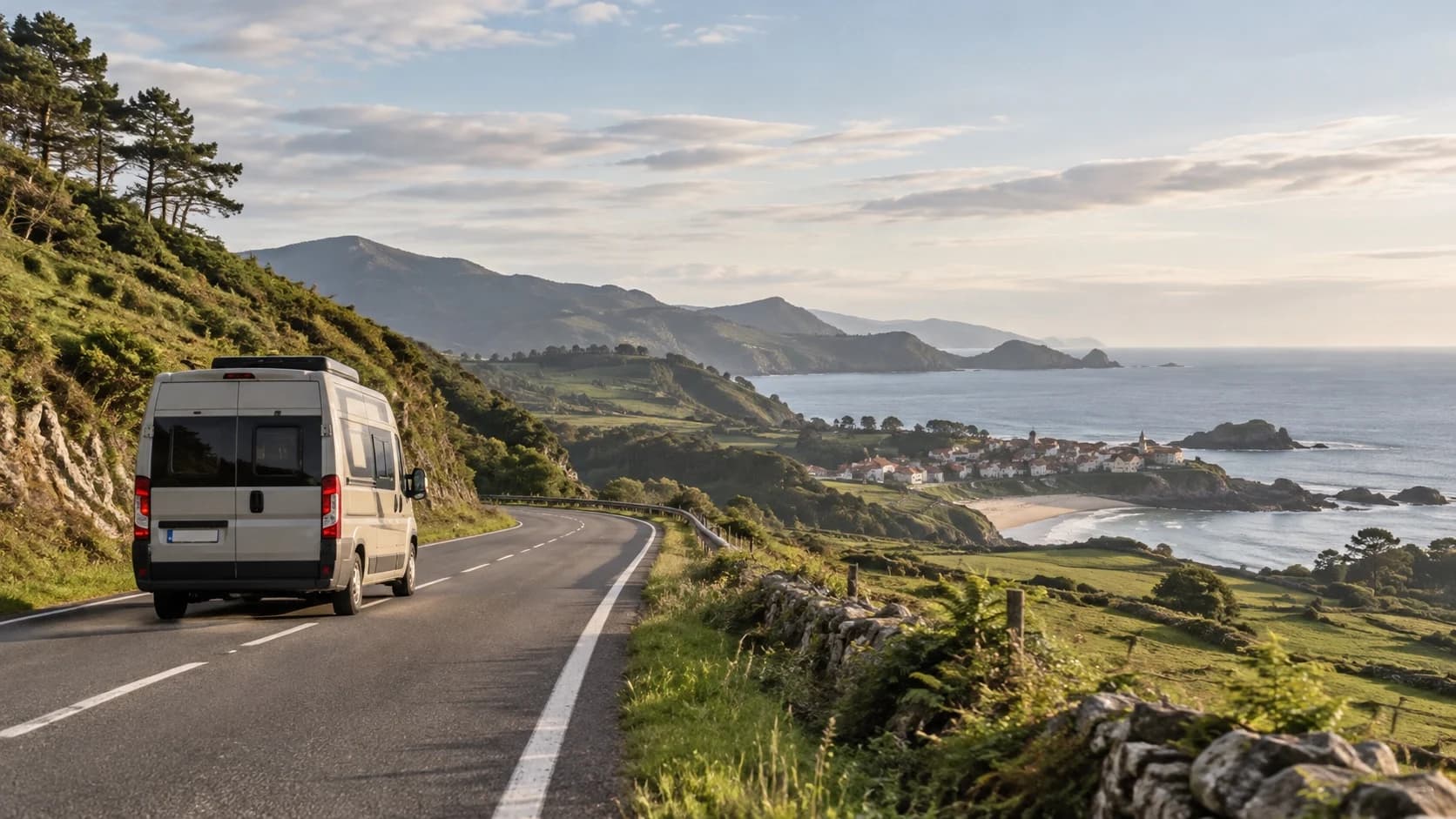
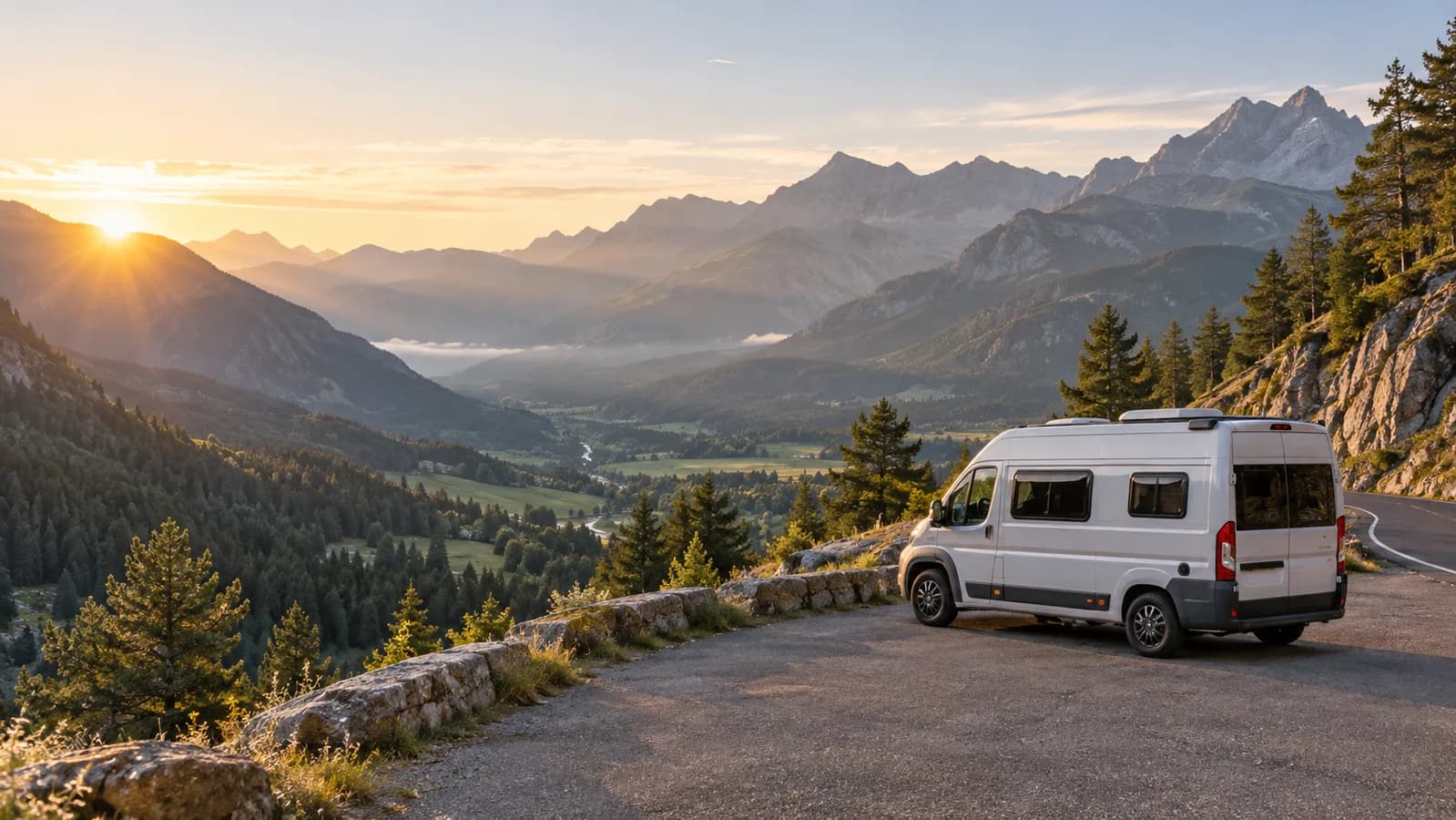
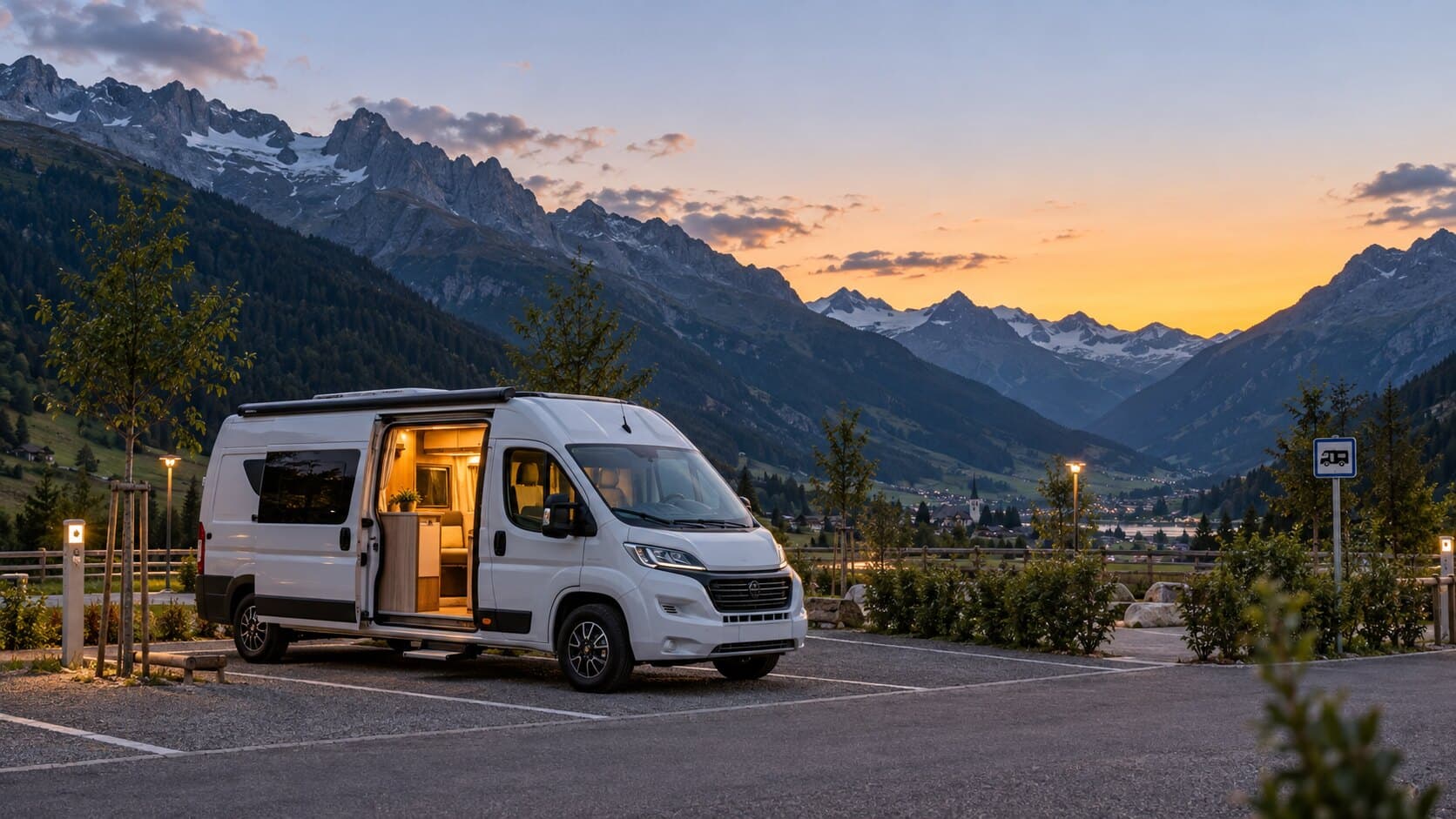
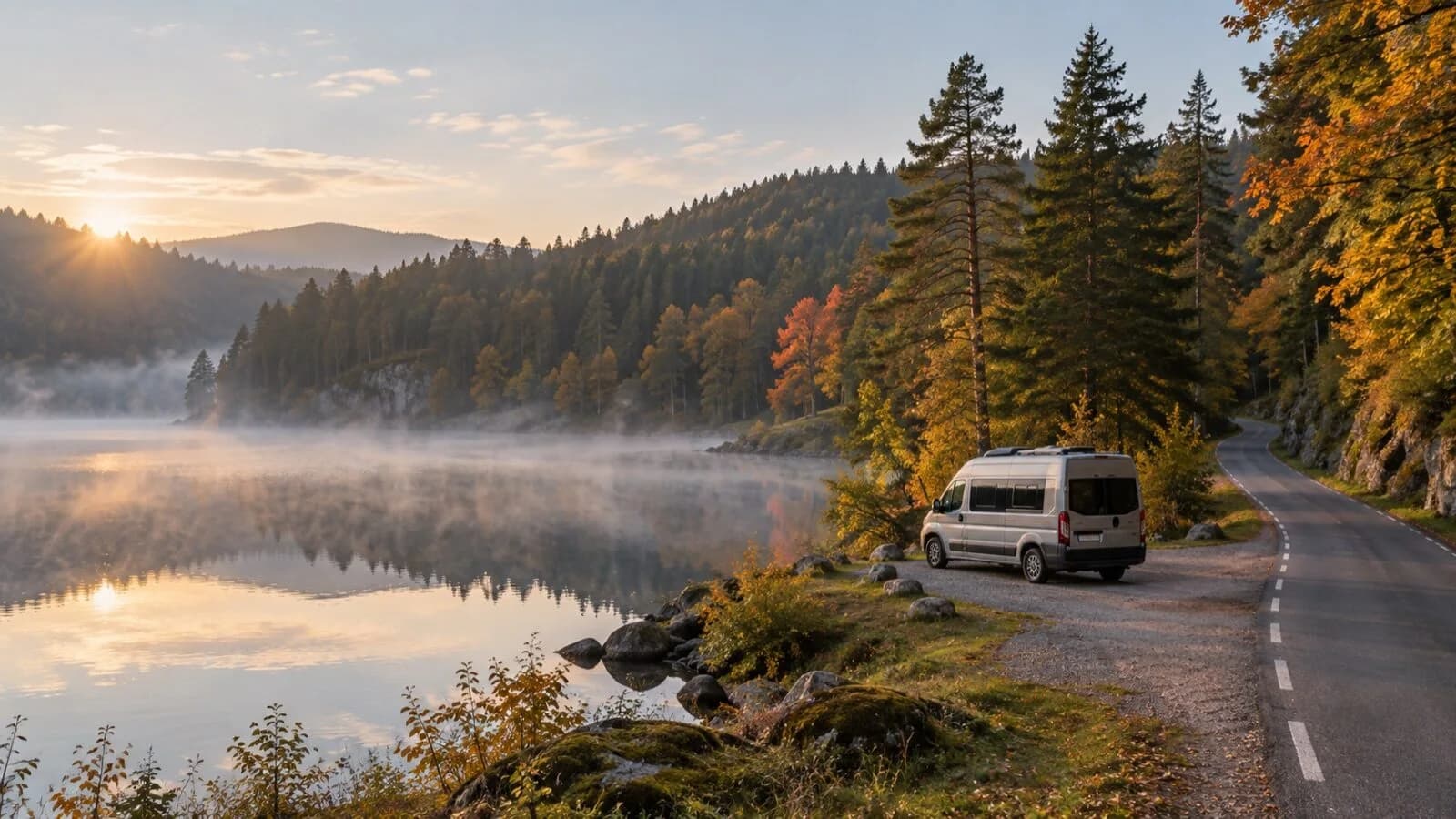
Early autumn is a brilliant time to point a campervan toward Europe’s forests and lakes. The busiest weeks are often over, the light is softer, and cool mornings make lakeside walks feel completely different from a midsummer stop. But this is also a season of shorter days, variable weather and campsites beginning to reduce their hours.
The best route is therefore not simply the one with the brightest leaves. It is the one that still works when a mountain pass turns cloudy, a lakeside site has closed for the season or your first overnight option is full. Use Campernight to compare current place details, recent reviews and alternatives before each stage, then save at least one backup away from the water or high ground.
The quick answer
Six strong forest-and-lake routes for an early-autumn campervan trip are:
- Southern Sweden’s lake country, from Gothenburg’s wooded hinterland toward Småland.
- Germany’s Black Forest to Lake Constance.
- The French Jura lakes loop.
- Slovenia’s Lake Bohinj and Soča Valley.
- Italy’s Dolomites lake circuit.
- Scotland’s Loch Lomond, the Trossachs and the Cairngorms.
None has a guaranteed “perfect foliage week”. Colour and conditions change with latitude, altitude and the weather. Treat the routes below as flexible corridors, not schedules that must be completed exactly.
1. Southern Sweden: Gothenburg’s forest lakes to Småland
Best for: quiet water, canoeing, easy forest walks and a route that rewards slow travel.
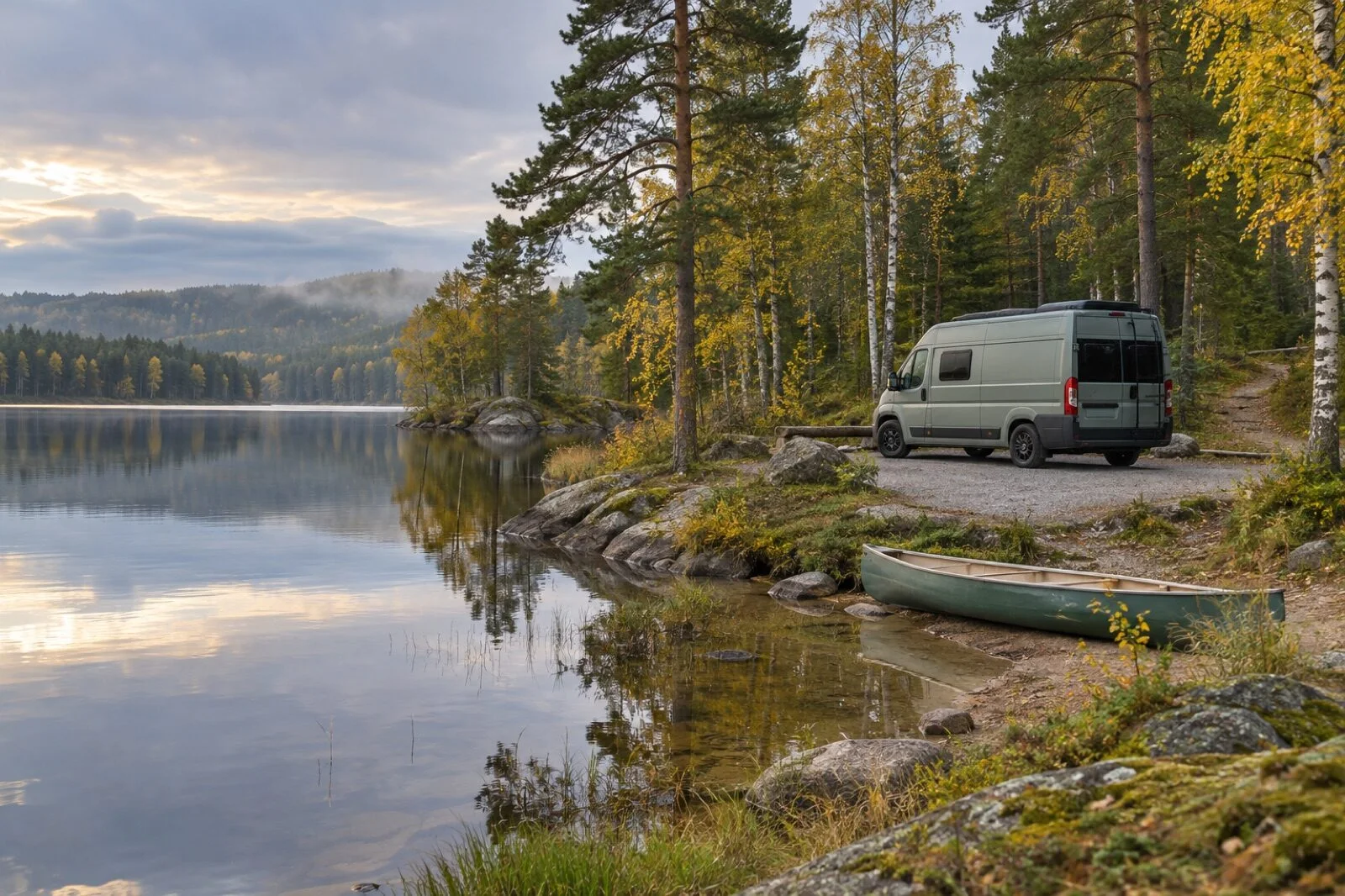
Start east of Gothenburg, then work south-east through the wooded interior toward the lake districts around Bolmen and Åsnen. The landscape is less about one famous viewpoint and more about a repeating rhythm: red cottages, pine and birch forest, still water and small roads where the journey matters as much as the destination.
Campernight’s Sweden spots page is a useful way to build this as a chain of short stages instead of betting the night on one lakeside pin. A practical example near the start is Björsjöås Vildmark, a small motorhome area whose listing describes forest walks, a nearby lake, canoe rental and basic services. Check its current availability and rules before travelling; it is an example of the kind of managed nature base that makes this route easier.
Allow four to seven days. Keep daily distances modest, choose one lake activity per day and carry a dry indoor plan for wet afternoons. If you are relying on a campsite for water, showers or electricity, confirm that it is still open on your dates.
2. Germany: Black Forest to Lake Constance
Best for: classic forest roads, waterfalls, village stops and a large-lake finish.
A flexible route runs from Baden-Baden through the northern and central Black Forest, past Triberg and Titisee, then south-east toward Lake Constance. You can make it a compact four-day trip or spend a week adding short hikes and small-town stops.
The Black Forest High Road and higher viewpoints can be beautiful in settled weather, but there is no prize for forcing a scenic road in fog, wind or heavy rain. Keep a lower-level alternative and check official road and weather information on the day. Around Lake Constance, expect a more developed landscape than a remote wilderness: that makes it a useful place to restock, use services and reset the route.
Browse campervan spots in Germany and compare managed motorhome areas with campsites rather than assuming any scenic car park permits an overnight stay. Signs and local restrictions take priority over an app listing.
3. France: a Jura lakes loop
Best for: turquoise reservoirs, waterfall walks, wooded plateaus and shorter driving days.
Base the route around the lakes and forests of the Jura rather than trying to cross half of France. A loose loop can connect the Lac de Chalain area, the Hérisson waterfalls, Lac de Vouglans and the higher Haut-Jura landscape. Four or five days is enough for a first pass; a full week lets you wait out poor weather without rushing.
Early autumn is ideal for a simple rule: drive less and walk more. Plan one main lake or trail area each day, then choose an overnight stop outside the busiest attraction zone. The France spots collection helps you compare bases along the corridor, while the app is better for checking current details and recent feedback.
If you continue south toward Provence, Lac Sainte-Croix is a useful Campernight example near a dramatic lake landscape. The current listing has positive community signals but no services recorded, so treat it as a place to investigate, not a promise of legal overnight parking or facilities. Verify signs, access and local rules when you arrive, and keep a managed alternative ready.
4. Slovenia: Lake Bohinj and the Soča Valley
Best for: compact distances, deep forest, alpine lakes and clear rivers.
Begin near Lake Bohinj, spend time on the lower trails around the lake, then continue toward the Soča Valley. The direct mountain option over Vršič Pass is spectacular when open and suitable for your vehicle, but early snow, ice or temporary closures can change the plan quickly. Check official road conditions before committing and use a lower or cross-border alternative if needed.
This route works best over five to seven days. Avoid turning every day into a mountain-drive day: alternate a scenic transfer with a stationary day for walking, cycling or simply waiting for better visibility. At higher elevations, temperatures can fall sharply after sunset even when the valley feels mild.
For overnights, use designated sites and follow local signs. A beautiful pull-off is not automatically a permitted place to sleep. If you are new to that distinction, Campernight’s guide to finding overnight parking explains how to compare place type, services, reviews and backups before you set off.
5. Italy: Dolomites lake circuit
Best for: dramatic mountain scenery, larch forests and short walks from established bases.
A practical circuit links the Dobbiaco area, Lake Misurina and the valleys around Cortina d’Ampezzo. Keep the route compact: the distances look short on a map, but mountain roads, photo stops and weather can turn a small transfer into most of a day.
Use the Italy spots page to find bases, then check vehicle limits, seasonal opening dates and local traffic rules directly. Busy lake car parks are day-visit infrastructure, not automatic campsites. A managed campsite or motorhome area may sit farther from the postcard view, but it gives you a more reliable place to leave the van and explore on foot.
Plan three to six days and build in one weather buffer. The Dolomites can feel autumnal in the valley and wintry higher up on the same day. Carry warm layers, avoid late arrivals on unfamiliar mountain roads and turn around if conditions are beyond your vehicle or experience.
6. Scotland: Loch Lomond to the Cairngorms
Best for: lochs, moorland, changing weather and a wilder-feeling route without leaving established touring corridors.
Start around Loch Lomond and the Trossachs, continue north-east through the wooded Highlands, then finish with a few days around the Cairngorms. Five to eight days gives the route enough room for rain, short daylight and slower roads.
The United Kingdom spots page can help you shortlist formal campsites and motorhome areas along the way. In Scotland, do not confuse broad outdoor-access rights with permission to park or sleep in a vehicle wherever you like. Respect signs, barriers, land managers and any local restrictions, and avoid damaging verges or blocking passing places.
Build each day around a primary stop and a nearby fallback. If a single-track road feels uncomfortable in wind or darkness, take the longer main-road option. The route will still be there in the morning.
How to choose the right route for your trip
Choose Sweden or the French Jura when you want long, calm lake days and modest driving. Pick Germany when you want an easy mix of scenic roads, towns and services. Slovenia and the Dolomites suit travellers comfortable with mountain weather and active days. Scotland is best when you are happy to adapt continuously rather than chase a fixed forecast.
Also consider your van:
- A larger motorhome benefits from wider main-road alternatives and pre-checked turning or height restrictions.
- A van without heating needs a lower-elevation plan when nights cool quickly.
- Limited battery or water capacity makes open campsites and serviced areas more important.
- Travelling with children or a dog makes short stages and dependable indoor or sheltered options worth more than one extra viewpoint.
Build a three-stop plan for every night
The simplest early-autumn planning system is to save three different options:
- First choice: the scenic stop that fits the day’s route.
- Practical backup: a managed campsite or motorhome area with the services you need.
- Weather fallback: a lower, more sheltered option reached by a straightforward road.
This is where the Campernight app earns its place in the trip. Save the three options before leaving mobile coverage, compare the most recent information you can find and re-check the route before the final hour of driving. If a facility is essential, contact the site rather than relying on an old description.
Early-autumn route checklist
Before each stage:
- Check the official weather forecast, warnings and road information for that country or region.
- Confirm that your intended campsite or motorhome area is open on the night you need it.
- Read recent reviews for access changes, barriers, noise or closed facilities.
- Arrive before dark, especially on forest and mountain roads.
- Carry enough fuel, food, water and warm clothing to change plans without stress.
- Never drive into floodwater or around a closure.
- Follow on-site signs and local rules even when an app entry says a place has been used before.
- Leave no waste, avoid fires unless explicitly permitted and keep noise low near homes and wildlife.
For a wider seasonal perspective, read why autumn works so well for campervan travel. If your dates still feel more like summer, these late-summer road trips in Europe may fit better.
Final thought
The best forest-and-lake campervan route in early autumn is the one with room to change. Choose a compact corridor, keep daily distances realistic and save alternatives before you need them. Open Campernight, build your three-stop plan and let the weather decide which lake, forest walk or warm café becomes the highlight.
Travel rules, access, opening dates and road conditions can change. Check official local information and current on-site signs before parking or staying overnight.